Partial Solar Eclipse on Aug 12, 2026: Where North Americans Can See the Sliver
On August 12, 2026 a partial solar eclipse will be visible across parts of the U.S. and Canada. Find the cities, times, and coverage percentages.
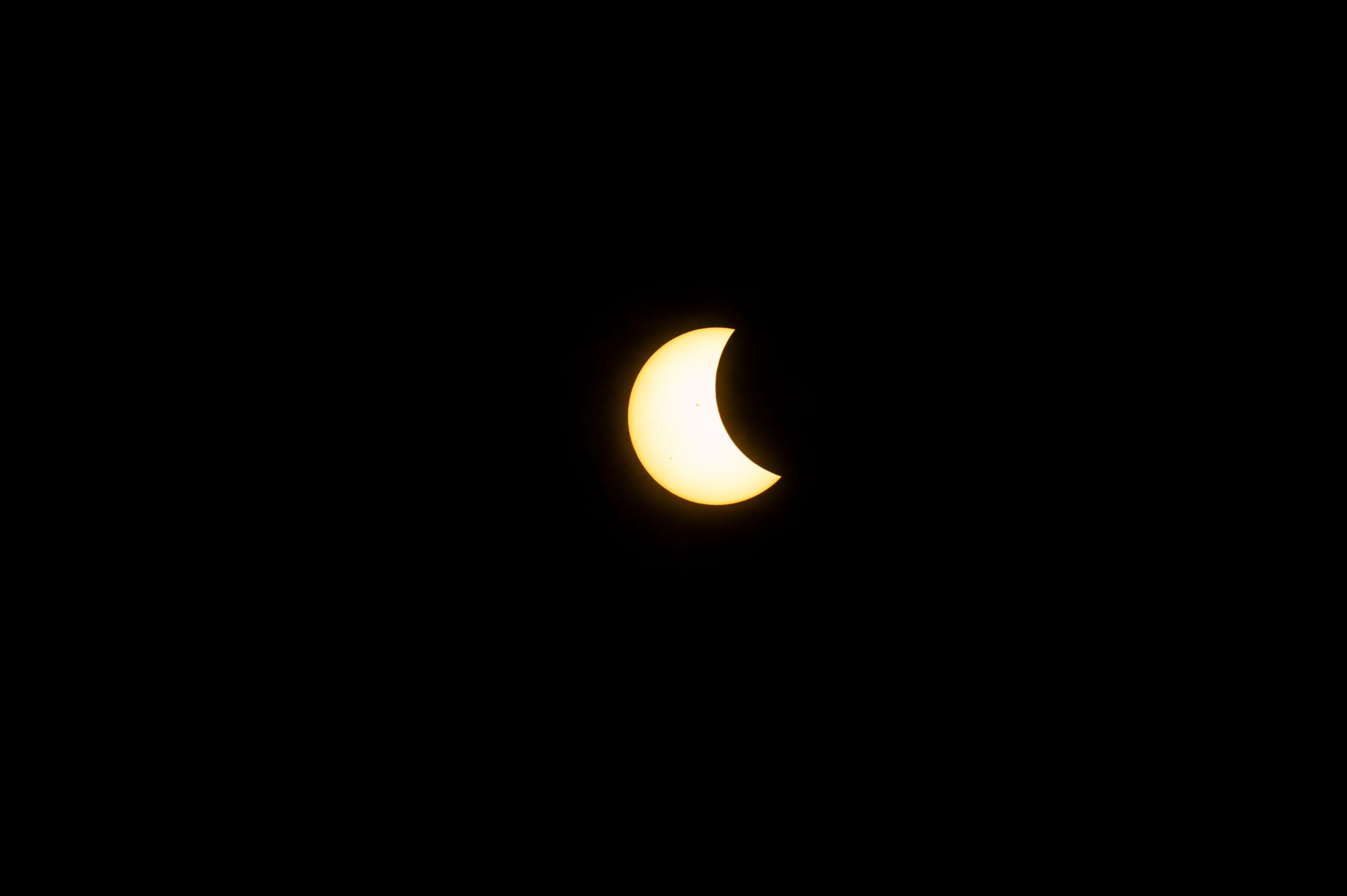
On August 12, 2026 a partial solar eclipse will sweep across the northern United States and Canada. The Moon will cover between 3 % and 53 % of the Sun’s disk depending on location. This event follows a series of recent total eclipses that have drawn large crowds across the continent. Skywatchers who are far enough north can experience a brief “sliver” of darkness in the middle of the day. Observing the eclipse safely requires certified eclipse glasses.
What happened
NASA’s eclipse calculations show that the Moon’s umbral shadow will miss North America, but the penumbral shadow will pass over the northern tier of the continent. Totality will begin near the North Pole and travel southward across Greenland, Iceland, Spain and Portugal, while North America receives only a partial phase.
In the United States and Canada, coverage ranges from a low of 3 % in Detroit to a high of 53 % in St. John’s, Newfoundland. The partial eclipse will begin in Anchorage at 7:36 a.m. local time, peak at 8:21 a.m., and end at 9:09 a.m. Similar timing windows occur across the continent, for example Bangor, Maine sees peak coverage at 1:53 p.m., and New York City peaks at 1:54 p.m. Other listed locations include Montreal (18 % at 1:45 p.m.), Toronto (8 % at 1:58 p.m.), Philadelphia (7 % at 1:53 p.m.), and Detroit (3 % at 1:36 p.m.).
Why it matters
The eclipse offers a rare daylight spectacle for residents of northern latitudes who have not experienced a total eclipse in recent memory. Public interest can boost local tourism and encourage community outreach by astronomy clubs. At the same time, the event highlights the need for eye‑safety education, as partial eclipses are often mistaken for safe viewing without protection.
- Provides a rare viewing opportunity for northern latitudes.
- Encourages public interest and participation in astronomy.
- Allows photographers to capture a unique daylight event.
- Partial coverage may feel underwhelming compared to total eclipses.
- Cloud cover can easily obscure the brief event.
- Risk of eye damage if proper eclipse glasses are not used.
How to think about it
Identify the nearest city on the NASA list and note the start, peak, and end times. Check local weather forecasts for clear skies and plan to be in an open area with an unobstructed view of the Sun. Acquire certified eclipse glasses well before the event and keep them handy. If you want to photograph the eclipse, use a solar filter on your camera and practice safe viewing techniques ahead of time.
FAQ
What time will the eclipse be visible in my city?+
Do I need special glasses for a partial eclipse?+
Can I photograph the eclipse safely?+
- astronomy·3 min readNASA’s APOD Captures First Unobstructed Total Solar Eclipse Over Greenland, August 2026
On August 12, 2026, a total solar eclipse swept across Greenland, and NASA’s APOD captured a rare, clear view of the corona and diamond ring.
- astronomy·3 min readWhat to Expect at Each of the Five Stages of the August 12, 2026 Total Solar Eclipse
Learn the five key phases of the August 12, 2026 total solar eclipse, from first contact to the end of totality, and why they matter.
- astronomy·3 min readAugust 12, 2026 Partial Solar Eclipse: When and Where to Watch Across the U.S. and Canada
A partial solar eclipse will sweep across North America on August 12, 2026. Find out the best viewing times and locations for the U.S. and Canada.