NASA’s APOD Captures First Unobstructed Total Solar Eclipse Over Greenland, August 2026
On August 12, 2026, a total solar eclipse swept across Greenland, and NASA’s APOD captured a rare, clear view of the corona and diamond ring.
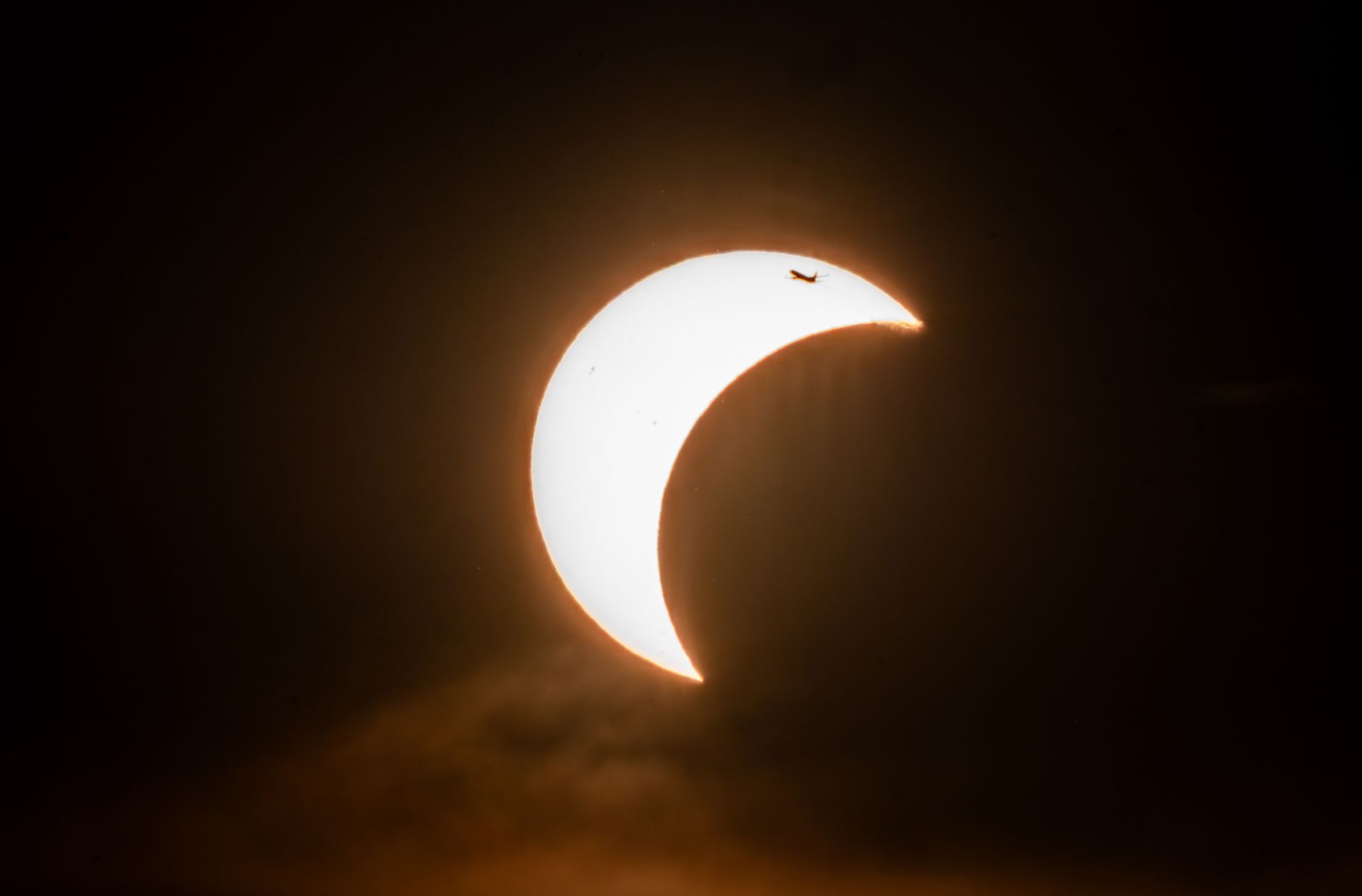
A total solar eclipse painted the Arctic sky with a fleeting diamond ring on August 12, 2026, offering a spectacular glimpse of the Sun’s hidden corona. NASA’s Astronomy Picture of the Day (APOD) team managed to capture the event from the remote Rype Fjord on Greenland’s east coast, just as clear skies broke through the clouds. The image, taken at 17:33:26 UTC, shows the Sun’s corona emerging at the moment totality began, providing one of the first unobstructed views of this eclipse. This rare visual record not only delights skywatchers but also supplies valuable data for solar scientists. Understanding why such moments matter helps us appreciate both the beauty and the science of eclipses.
What happened
On August 12, the Moon’s umbral shadow traced a narrow path from the Arctic Ocean across Greenland, Iceland, the Atlantic, Portugal, and northern Spain. At 71.07055 N, 27.71252 W on Greenland’s east coast, a photographer positioned near Rype Fjord recorded the eclipse at 17:33:26 UTC, just as the sky cleared enough to reveal the totality.
The photograph shows the characteristic “diamond ring” effect—a bright flash of sunlight peeking through lunar valleys—followed by the ethereal solar corona that becomes visible only when the Moon completely covers the photosphere. This image is likely among the earliest cloud‑free captures of the 2026 total solar eclipse’s corona.
Why it matters
The corona’s structure holds clues to solar wind acceleration and space‑weather forecasting, making any clear observation scientifically valuable. Moreover, the image demonstrates how remote locations can yield high‑quality eclipse data when weather cooperates, encouraging future expeditions. Public interest spikes during total eclipses, and striking visuals like this help inspire the next generation of astronomers and support outreach initiatives.
- Provides a rare, clear view of the solar corona for scientific analysis.
- Boosts public engagement and interest in solar astronomy.
- Demonstrates the value of remote field observations despite logistical challenges.
- Geographic visibility limited to a narrow Arctic track.
- Weather dependence; clear skies were essential for the capture.
- Viewing safety risks if observers look directly at the Sun without proper filters.
How to think about it
When planning to observe or photograph a total solar eclipse, start by mapping the path of totality and identifying locations with historically clear skies. Factor in travel logistics, local weather patterns, and the need for certified solar filters for any partial‑phase viewing. Use the eclipse as a teaching moment: explain why the corona appears only during totality and how its structure informs space‑weather models. Finally, preserve any images with proper metadata—time, coordinates, and instrument details—to maximize their scientific utility.
FAQ
When and where will the next total solar eclipse be visible?+
Why is the solar corona only visible during totality?+
How can amateur astronomers safely photograph a total solar eclipse?+
- astronomy·3 min readGolden Corona Eclipse Over Spain: Why the Sun’s Halo Turned Yellow
A total solar eclipse in Spain displayed a rare golden corona as low‑angle sunlight and wildfire smoke filtered out blue light.
- news·3 min readEurope's First Total Solar Eclipse in 27 Years Arrives Aug 12, 2026 – NASA to Capture the Corona
On Aug 12, 2026 Europe will see its first total solar eclipse since 1999, with NASA's camera set to image the Sun’s corona.
- astronomy·3 min readNew Eclipse Images Show Giant Coronal Hole and Twisted Smoke Rings in the Sun’s Atmosphere
Researchers release unprecedented eclipse photos showing a massive coronal hole and swirling smoke‑ring vortices, shedding light on solar wind dynamics.