How to Spot the Tiny Constellations Delphinus, Sagitta, and Vulpecula Around the Summer Triangle
Learn to locate the three tiny constellations—Delphinus, Sagitta, and Vulpecula—using the bright Summer Triangle as a guide.
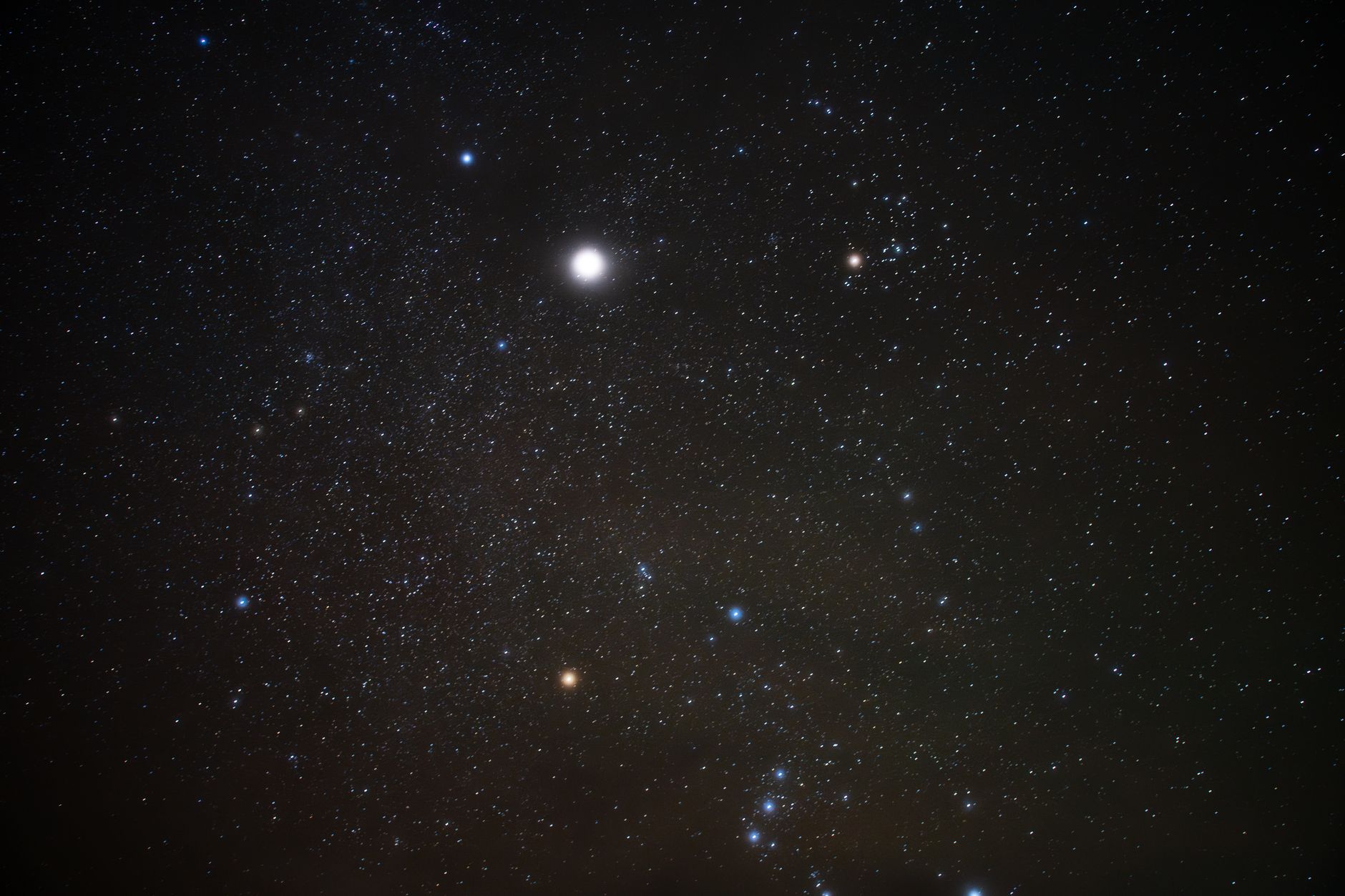
The Summer Triangle dominates July evenings, its three bright stars—Vega, Deneb, and Altair—forming an easy-to-spot asterism. While most casual observers stop at the triangle, it also points the way to three of the sky’s smallest constellations: Delphinus the Dolphin, Sagitta the Arrow, and Vulpecula the Fox. Finding these tiny patterns rewards patient stargazers with a deeper connection to ancient sky lore and a reason to seek darker horizons.
What happened
The Summer Triangle is an asterism formed by three luminous stars: Vega in Lyra, Deneb in Cygnus, and Altair in Aquila. Because the stars are bright and widely spaced, the triangle is visible high in the eastern sky throughout July evenings, providing a natural reference point for amateur astronomers. Within and around the triangle lie three of the sky’s smallest constellations. Delphinus, cataloged by Ptolemy in the second century CE, resembles a leaping dolphin and sits just below the triangle’s base. Sagitta, the third‑smallest constellation after Crux and Equuleus, forms a thin arrow shape near the triangle’s western edge and also appears in Ptolemy’s list. Vulpecula, meaning “little fox,” was introduced by Johannes Hevelius in the late 17th century and occupies a faint region north‑west of the triangle, lacking a bold outline but identifiable with a star chart. These constellations are virtually invisible from light‑polluted cities, but under dark skies they become rewarding targets for star‑hopping using the Summer Triangle as a guide.
Why it matters
Locating Delphinus, Sagitta, and Vulpecula turns a simple asterism into a mini‑trek across the night sky, deepening appreciation for the historical layers of celestial mapping. The exercise also highlights the importance of dark‑sky sites, encouraging observers to seek out low‑light locations and support light‑pollution mitigation. For educators, the three constellations provide vivid stories—from Greek myths about dolphins to Hevelius’s fox—that can enliven lessons about cultural astronomy.
- Enriches night‑sky knowledge with historic constellations.
- Provides a practical star‑hopping exercise for beginners.
- Encourages travel to dark‑sky sites, supporting conservation.
- Faint stars make the constellations hard to see from urban areas.
- Requires a clear, moonless night for optimal visibility.
- Misidentifying nearby stars can lead to frustration for novices.
How to think about it
- Locate the Summer Triangle by finding Vega, Deneb, and Altair. 2. Visualize an imaginary line from Vega to Deneb; the area below this line houses Delphinus. 3. Follow the line from Deneb toward Altair; the thin arrow of Sagitta lies just north of this path. 4. Extend the line a bit further north‑west from the triangle’s apex to spot the faint pattern of Vulpecula. 5. Use a star chart or a mobile app to confirm the positions of the brightest stars in each tiny constellation before scanning the sky.
FAQ
How can I find Delphinus using the Summer Triangle?+
What time of year is best for spotting these constellations?+
Do I need special equipment to see Vulpecula?+
- astronomy·3 min readWhat to Expect at Each of the Five Stages of the August 12, 2026 Total Solar Eclipse
Learn the five key phases of the August 12, 2026 total solar eclipse, from first contact to the end of totality, and why they matter.
- astronomy·3 min readAugust 12, 2026 Partial Solar Eclipse: When and Where to Watch Across the U.S. and Canada
A partial solar eclipse will sweep across North America on August 12, 2026. Find out the best viewing times and locations for the U.S. and Canada.
- astronomy·3 min readPerseid meteor shower peaks Aug 12‑13; West Virginia’s dark mountains promise premier eastern viewing
The Perseids peak Aug 12‑13, and West Virginia’s dark valleys and Spruce Knob give the East some of its best meteor‑watching skies.