White House State Ballroom Construction Overlaps New Six‑Story Bunker, Raising Security Concerns
The White House’s new State Ballroom is being built atop a six‑story bunker, sparking debate over cost, design, and security implications.
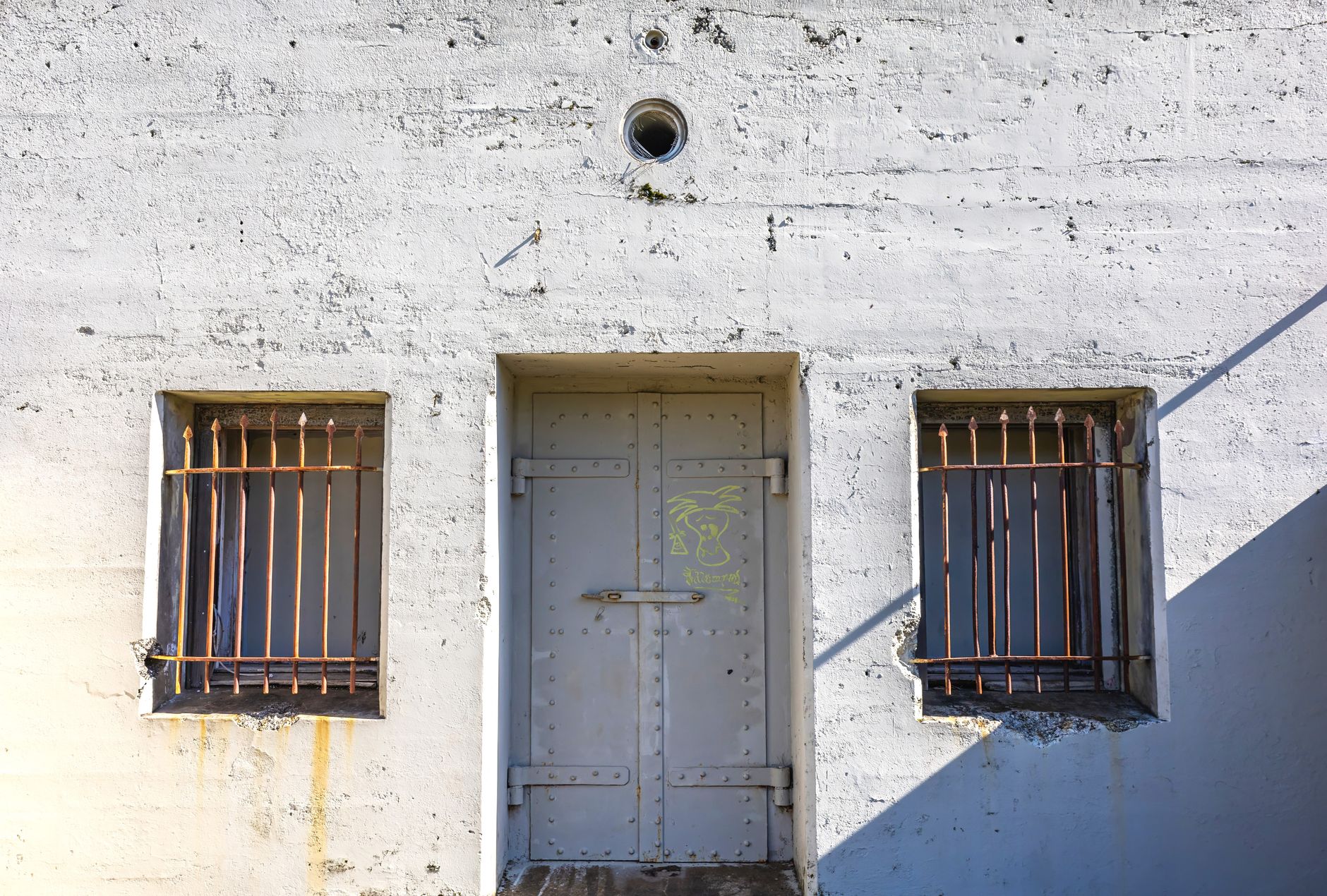
The White House is adding a State Ballroom to the East Wing, a project announced in July 2025 and slated to open in September 2028. The venue will sit above a six‑story underground bunker that will replace the Presidential Emergency Operations Center. Construction began in September 2025 and has already faced legal challenges that allow work to continue only until mid‑August 2026. Critics point to the project's funding, design, and the loss of historic features as major concerns. The overlap of a public event space with a fortified bunker raises questions about the balance between ceremonial use and national security.
What happened
The East Wing expansion includes a State Ballroom designed for larger formal events than the historic East Room. The project also incorporates a six‑story bunker intended to serve as the next‑generation Presidential Emergency Operations Center. The National Capital Planning Commission approved the final design in April 2026, and construction has proceeded despite lawsuits that limit work to a specific timeframe.
Legal challenges have kept the above‑ground construction active until at least mid‑August 2026, while opponents argue that the design erases historic architectural elements and strains federal budgets. Funding for the ballroom and bunker has been a focal point of congressional hearings, with some lawmakers calling for greater transparency.
Why it matters
The dual nature of the project blends public diplomacy with hardened security, signaling a shift in how the executive branch envisions its physical presence. A larger ballroom could change the logistics of state dinners and diplomatic gatherings, while the bunker reinforces continuity of government plans. The financial outlay, combined with legal disputes, may set precedents for future federal construction projects that combine civilian and defensive functions.
- Provides a high‑capacity venue for diplomatic events.
- Modernizes the presidential emergency shelter.
- Consolidates event and security infrastructure on a single site.
- Escalates federal spending amid budget deficits.
- Reduces historic preservation of the original East Wing.
- Legal challenges create uncertainty about project timelines.
How to think about it
Evaluate the project through three lenses: functional utility, fiscal responsibility, and symbolic impact. Ask whether the added ballroom truly enhances diplomatic capacity, whether the cost aligns with broader budget priorities, and how the visible militarization of a ceremonial space might affect public perception of the presidency.
FAQ
When is the State Ballroom expected to be completed?+
What purpose does the six‑story bunker serve?+
How have critics responded to the project?+
- news·4 min readPresident Trump's 'Freedom 250' Initiative Divides America's 250th Anniversary Celebrations
President Trump's 'Freedom 250' initiative has reshaped the nation's 250th anniversary, sparking division and counter-celebrations. Critics raise concerns over partisan influence and funding…
- news·2 min readVoyager 1 hits one light‑day from Earth, a historic distance even as a communications glitch emerges
Voyager 1 became the first spacecraft a light‑day away from Earth, highlighting deep‑space communication limits.
- news·3 min readSpaceX captures first Starship upper stage tower catch in slow‑motion video
SpaceX released four tower‑camera slow‑motion videos of its first successful Starship upper‑stage catch, showcasing the new reusable architecture.