What Did the Night Sky Look Like on America's First Independence Day 250 Years Ago?
As the U.S. turns 250, discover what Benjamin Franklin and colonists saw in the night sky on July 4, 1776. Learn about visible planets, a lunar eclipse, and 18th-century stargazing.
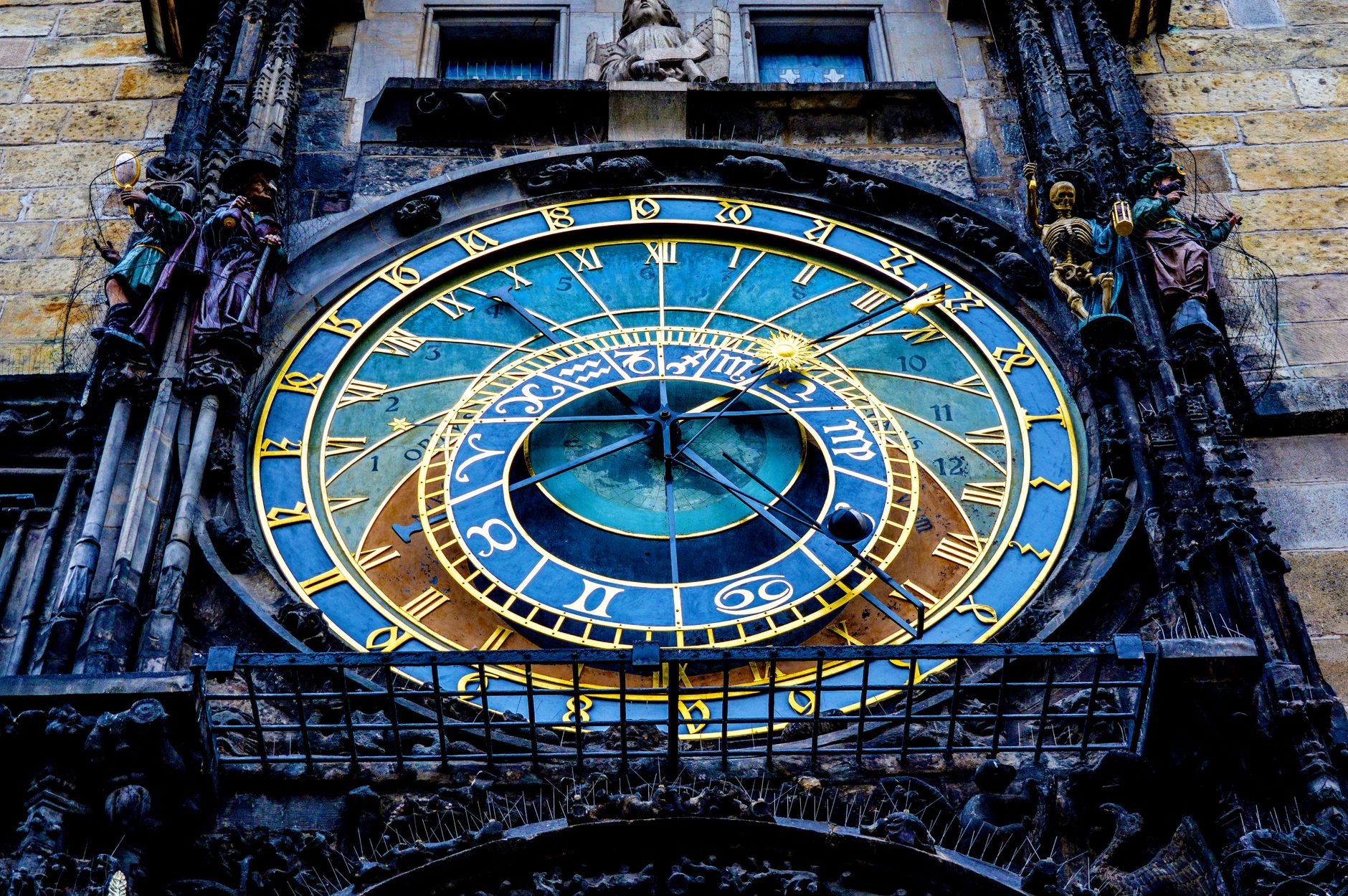
As the United States prepares to mark its 250th anniversary, curiosity naturally turns to how the world appeared to its founders. On July 4, 1776, the night sky presented a familiar yet distinct tableau for figures like Benjamin Franklin and his contemporaries. While the stars themselves held positions only subtly different from today, the visibility of planets and the anticipation of celestial events offered a unique perspective on their world. Understanding these astronomical sights provides a vivid connection to the past, revealing how colonists navigated their environment and perceived their place in the cosmos.
What happened
For colonists stepping outside around 9 p.m. local time on July 4, 1776, the most prominent planetary sight after sunset was Saturn. Positioned in the constellation Virgo, Saturn shone with a yellowish-white glow in the southwest sky, appearing slightly brighter than the star Spica. Its famous rings, visible through telescopes of the era, were tilted about 10 degrees, offering a clear view of their northern face. A waxing crescent moon would later form a broad triangle with Saturn and Spica on July 22, providing a notable celestial alignment.
Closer to dawn, approximately 90 minutes before sunrise, three other planets graced the eastern-northeastern sky amidst the stars of Gemini: Mercury, Jupiter, and Mars. Dazzling Venus, however, was too close to the sun to be observed. These early morning appearances would have required dedicated observers to witness, contrasting with Saturn's more accessible evening presence.
The month's most significant astronomical event was the total lunar eclipse predicted for July 30. This eclipse was exceptional, with totality lasting an unusually long 1 hour and 35 minutes. Unfortunately for many observers in colonial cities like Philadelphia and Boston, much of the eclipse unfolded before moonrise. Mid-totality was projected for 7:01 p.m. local time, meaning the moon would only begin emerging from Earth's shadow around 7:49 p.m., just as it appeared above the east-southeast horizon.
Why it matters
Understanding the 1776 night sky provides a unique window into the daily lives and scientific understanding of early Americans. In an age before widespread artificial light, ordinary people were far more attuned to celestial phenomena, using the stars and planets for practical purposes such as navigation, surveying, and timekeeping. This deep connection to the cosmos was not merely academic; it was essential for survival and commerce.
The widespread use of almanacs, like Benjamin Franklin's "Poor Richard's Almanack," underscores the critical role astronomy played in colonial society. These publications were second only to the Bible in importance, providing not just astronomical data but also vital information for agriculture, travel, and even weather forecasts. The ability to predict events like planetary positions and eclipses was a testament to the era's scientific advancements and a crucial tool for a society deeply reliant on natural cycles.
- Clearer, unpolluted views of the night sky made celestial objects more prominent.
- Almanacs provided essential astronomical and practical information for daily life.
- Celestial events were significant community occurrences and topics of discussion.
- Telescopic technology was limited compared to modern instruments.
- Planetary visibility was often restricted to specific, inconvenient times of day.
- Geographical location could limit the viewing of certain celestial events, like eclipses.
How to think about it
When reflecting on the 1776 night sky, it's valuable to consider the profound shift in humanity's relationship with the cosmos. For colonists, the sky was not just a distant spectacle but an integral part of their daily rhythm, a practical guide, and a source of wonder. Today, while we have vastly superior instruments and knowledge, light pollution often obscures the very sights that were commonplace for our ancestors. This historical perspective encourages us to seek out dark skies, perhaps during a future celestial event, and reconnect with the universe in a way that echoes the experiences of those who founded the nation.
FAQ
Were the stars exactly in the same positions as today?+
How did people in 1776 track astronomical phenomena?+
What was the most significant celestial event for July 1776?+
- explainers·4 min readUnpacking the Ancient Origins of the 'Dog Days of Summer' and Sirius's Celestial Role
Explore the fascinating ancient origins of the 'dog days of summer,' linking the hottest part of the year to the brightest star, Sirius, and its celestial dance with the Sun.
- astronomy·3 min readWhat to Expect at Each of the Five Stages of the August 12, 2026 Total Solar Eclipse
Learn the five key phases of the August 12, 2026 total solar eclipse, from first contact to the end of totality, and why they matter.
- explainers·2 min readAPOD August 8, 2026: Comet Tempel 2 Near Globular Cluster M30
NASA’s APOD captures comet 10P/Tempel 2 passing near globular cluster M30, illustrating how comet dust trails can appear to pierce distant clusters.