How a 22,000‑mile‑high Weather Satellite Secured the 2026 Mediterranean Eclipse Cruise
A weather satellite at 22,000 mi provided real‑time cloud data that let the Le Boréal cruise avoid clouds and witness the Aug 12, 2026 total solar eclipse.
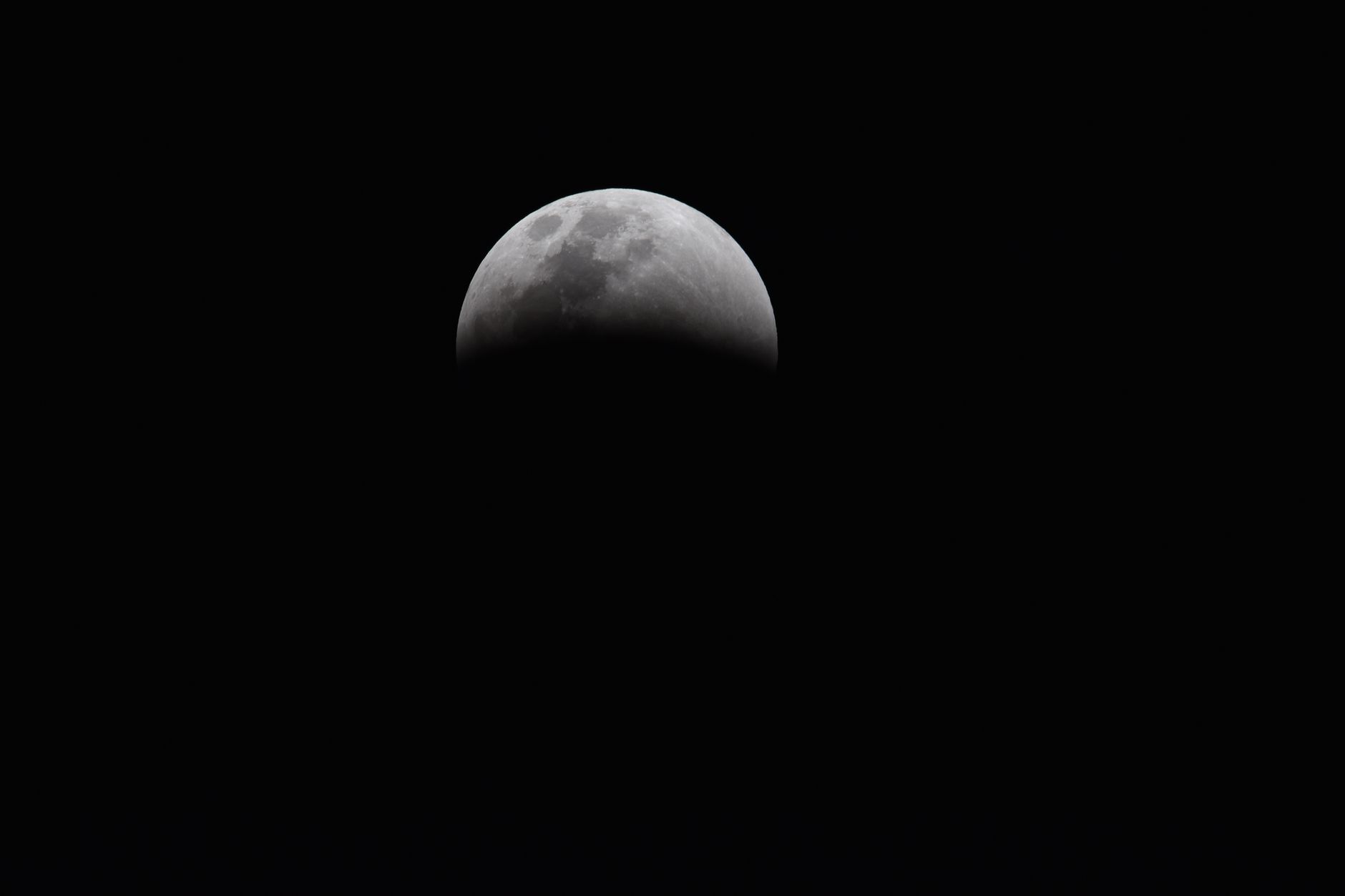
On August 12, 2026, the cruise ship Le Boréal set sail from Nice to chase a total solar eclipse skimming the Mediterranean horizon. With the sun only three degrees above the sea, even thin clouds could have hidden the brief moment of totality. Meteorologist Joe Rao turned to a geostationary weather satellite orbiting 22,000 mi above Earth for live cloud‑cover maps. The satellite’s data let the captain steer the 11,000‑ton vessel into a clear pocket just minutes before totality. The successful maneuver demonstrated how space‑based weather monitoring can safeguard high‑stakes astronomical tourism.
What happened
Le Boréal, an 11,000‑ton cruise ship owned by Compagnie du Ponant, departed Nice on August 6 with 205 passengers and 136 crew members. The itinerary was designed around the August 12 total solar eclipse, a sunset event that would place the sun no more than three degrees above the horizon—roughly one‑third of a fist‑width when held at arm’s length. Joe Rao, serving as the ship’s onboard meteorologist, monitored a weather satellite positioned 22,000 mi above Earth, which supplied high‑resolution, near‑real‑time cloud imagery across the Balearic Sea.
As the eclipse approached, Rao identified a thin cloud band drifting toward the planned viewing zone. Using the satellite feed, he coordinated with Captain Mathieu Tsingrilaras to adjust the ship’s course by a few nautical miles, positioning Le Boréal in a cloud‑free corridor just before totality began. The maneuver succeeded; the sky cleared, and passengers experienced an uninterrupted view of the Sun’s corona.
The experience was recorded by onboard lecturer Serge Brunier, who noted that the combination of satellite data and the ship’s two‑dimensional mobility created a “perfect storm” of conditions for eclipse watching.
Why it matters
The episode highlights how space‑based weather monitoring can directly influence terrestrial events, especially those that depend on fleeting clear‑sky windows. For eclipse tourism—a growing niche—real‑time satellite data reduces the risk of cloud‑related cancellations, protecting both scientific observation and commercial investment. Moreover, the case demonstrates a model where meteorologists on moving platforms can leverage orbital assets to make rapid, data‑driven decisions, a practice that could extend to other time‑critical observations such as aurora hunts or transient astronomical events.
- Enhanced planning accuracy for eclipse viewing.
- Increased passenger safety and satisfaction.
- Demonstrates practical use of space assets for tourism.
- Dependence on satellite coverage and data latency.
- Additional operational costs for data access.
- Potential overreliance may overlook rapid local weather changes.
How to think about it
Organizers of future eclipse cruises should integrate satellite weather feeds into their standard operating procedures, treating the data as a dynamic navigation tool rather than a static forecast. Teams need a clear protocol: ingest satellite imagery, assess cloud trajectories, and define pre‑set maneuver windows that can be executed quickly. Pairing satellite data with on‑site observations—such as handheld sky cameras—creates redundancy, ensuring that micro‑scale cloud developments are caught even if the satellite image lags by a few minutes.
FAQ
How did the satellite data improve the cruise’s positioning?+
Can other eclipse tours use the same approach?+
What limitations does satellite weather monitoring have for eclipse viewing?+
- news·3 min readMain NOAA Hurricane Tracking Satellite GOES-19 Out Until Further Notice
A key NOAA satellite used for tracking Atlantic and Gulf Coast hurricanes is currently out of operation. NOAA and the National Hurricane Center have backup satellites and AI weather models to aid in…
- spaceflight·3 min readESA’s MTG‑I1 Satellite Captures August 12 Total Solar Eclipse Path Across Europe
ESA’s MTG‑I1 recorded the August 12, 2026 total solar eclipse over Europe, delivering a real‑time map of the Moon’s shadow and its scientific value.
- spaceflight·3 min readFirefly ramps up Alpha production while launch cadence remains sluggish
Firefly Aerospace reports record‑high Alpha vehicle production, yet its launch rate stays low, raising questions about market demand and schedule risk.