How to Optimally Watch the Perseid Meteor Shower on Aug 12-13
Learn the best times, locations, and viewing tips to see the Perseid meteor shower at its peak on Aug 12‑13, when dark skies and optimal conditions align.
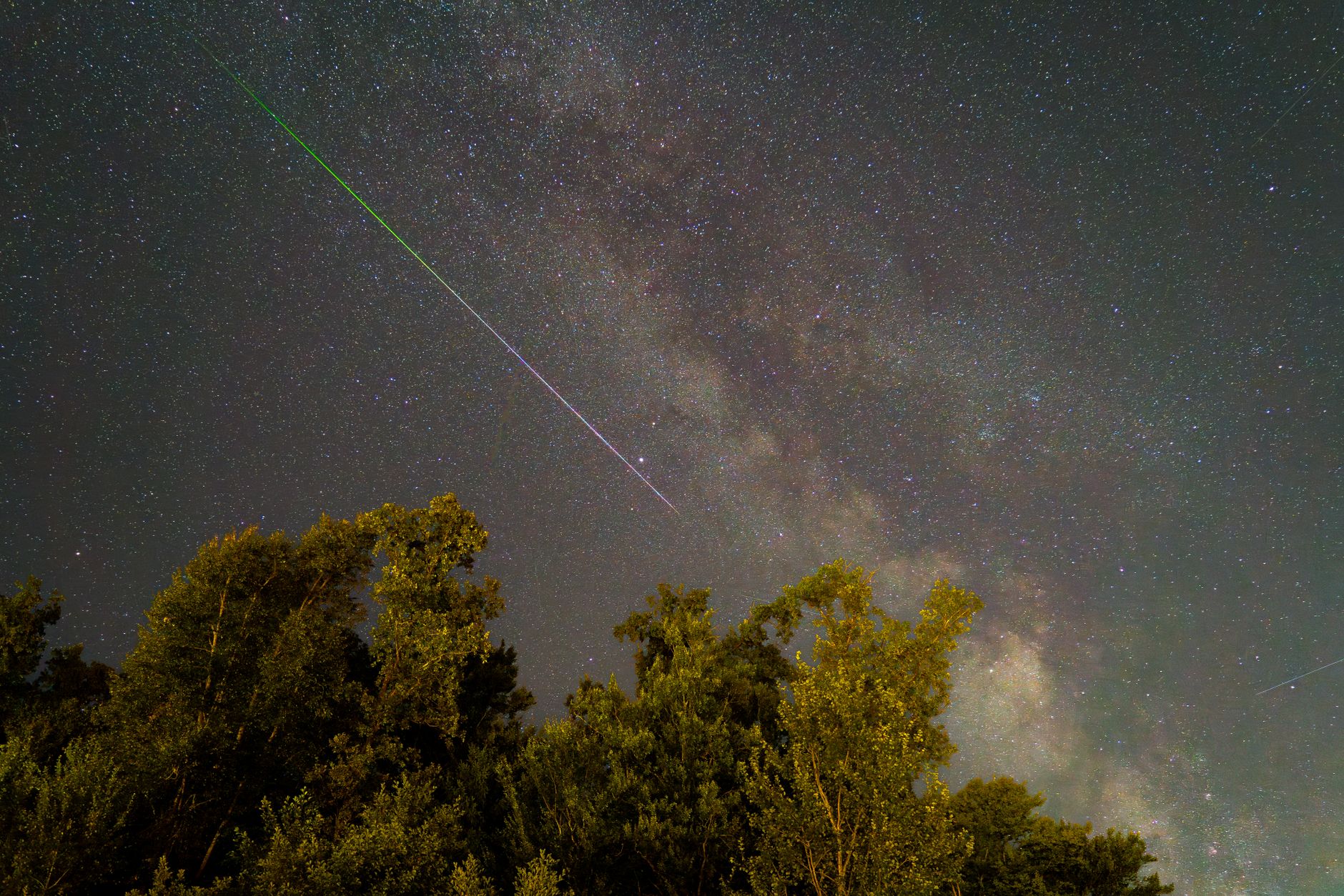
The Perseid meteor shower, one of the year’s most prolific displays, is blazing across the sky right now. Its peak activity is forecast for the night of Aug 12 into Aug 13, when the Moon is new and the heavens are at their darkest. During the peak, observers can see up to 100 meteors per hour under ideal conditions. Knowing when and how to watch turns this fleeting spectacle into a memorable night under the stars.
What happened
The Perseids occur each year from mid‑July through late August as Earth sweeps through debris left by comet Swift‑Tuttle. The tiny particles burn up in the atmosphere, creating the familiar “shooting stars.” NASA describes the meteors as swift and bright, often leaving long wakes of light.
At the shower’s apex on Aug 12‑13, the combination of a new Moon and the Earth’s position maximizes visibility, allowing up to 100 meteors per hour for observers in dark locations. The best viewing direction is toward the northeast, where the constellation Perseus rises, providing the highest concentration of meteors.
Why it matters
Seeing the Perseids connects casual skywatchers with the dynamic processes of our solar system, sparking curiosity about comets and orbital mechanics. Public viewing events also promote STEM engagement and remind us of Earth’s place in a broader cosmic environment. For photographers and hobbyists, the shower offers a rare chance to capture bright, fast meteors against a deep night sky.
- Up to 100 meteors per hour make for a spectacular show.
- New Moon ensures minimal moonlight interference.
- No equipment needed—bare eyes suffice.
- Clear, dark skies are required; clouds can ruin visibility.
- Light pollution near cities drastically reduces counts.
- Eyes need about 30 minutes to fully adapt to darkness.
How to think about it
First, choose a viewing site far from streetlights—rural fields, parks, or high‑altitude spots work best. Check the weather forecast and aim for a night with no cloud cover. Arrive before total darkness and give your eyes roughly half an hour to adjust; avoid looking at phones or flashlights. Face northeast, locate Perseus, and relax, scanning the sky for brief streaks. Bring a reclining chair, warm clothing, and perhaps a hot drink, but keep electronic screens dim.
FAQ
When is the optimal time to watch the Perseids?+
What gear should I bring?+
What if the sky is cloudy on the peak night?+
- explainers·3 min readVaporizing Meteor Streaks Across Great Lacerta Nebula in APOD Image of August 3 2026
A bright meteor vaporized during a long exposure over the Great Lacerta Nebula, revealing colorful gas trails and clues to its composition.
- news·3 min readCanada's Night Sky to Host Peak Perseid Meteor Shower and Partial Solar Eclipse on Aug 12-13
The Perseid meteor shower peaks Aug 12‑13, coinciding with a partial solar eclipse, offering Canadians a spectacular sky show.
- astronomy·3 min readPerseid meteor shower peaks Aug 12‑13; West Virginia’s dark mountains promise premier eastern viewing
The Perseids peak Aug 12‑13, and West Virginia’s dark valleys and Spruce Knob give the East some of its best meteor‑watching skies.