Unitree's 'Superman' Humanoid Robot Runs Faster Than Usain Bolt, Jumping 6‑Foot‑7‑Inches
Unitree demoed its new 'Superman' humanoid robot sprinting at 12.66 m/s and leaping 6 ft 7 in, surpassing Usain Bolt’s top speed, though the results await independent verification.
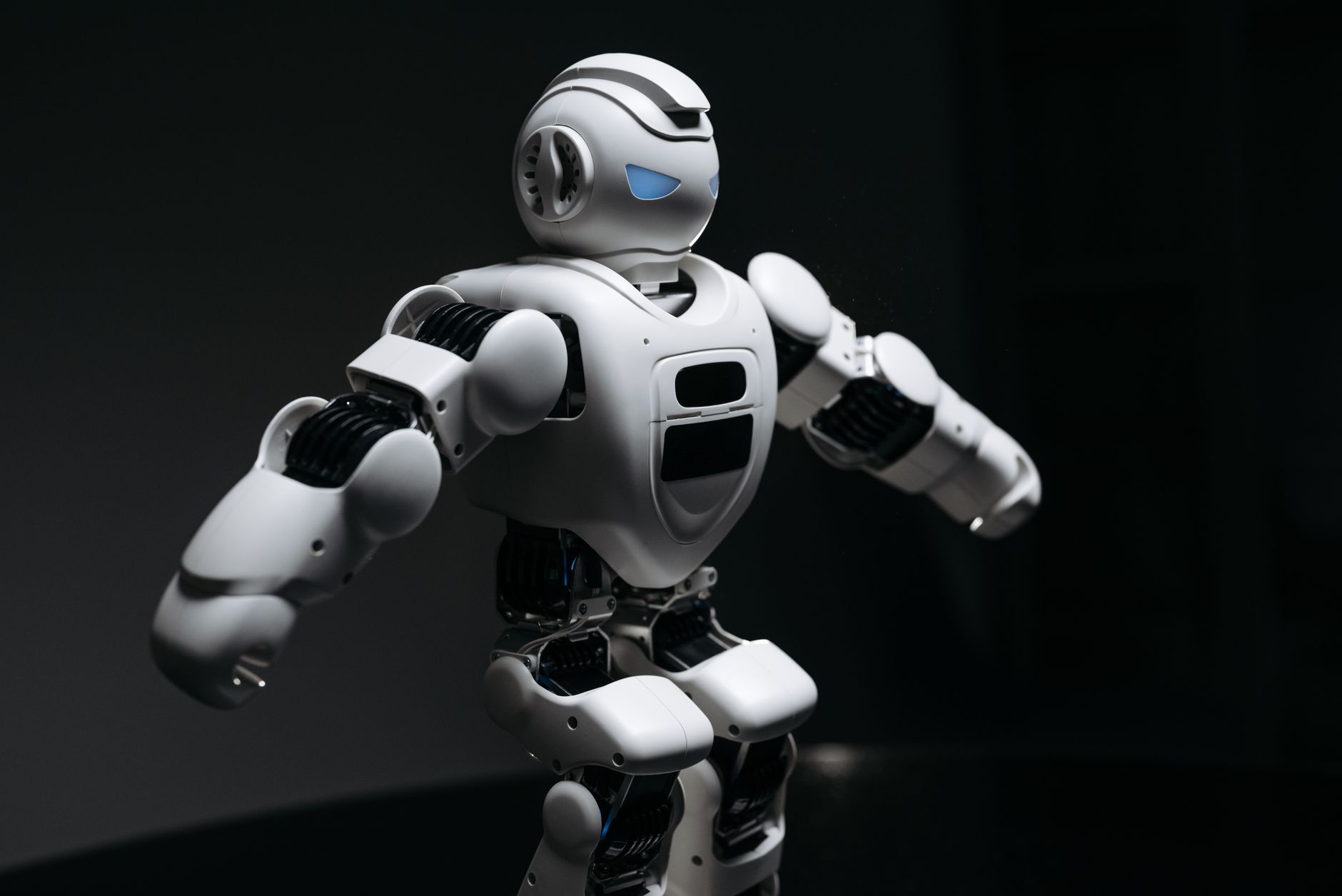
The Chinese robotics firm Unitree unveiled its newest humanoid, dubbed “Superman,” sprinting at a peak 12.66 m/s—just above the world‑record speed set by Usain Bolt. In the same demonstration the robot vaulted 6 ft 7 in from a standing start, a full foot higher than any human jump. These feats were broadcast just days before Unitree’s blockbuster Shanghai IPO and the opening of the World Humanoid Robot Games. If the numbers hold up, the performance marks a major milestone in legged locomotion for machines. The announcement also fuels speculation about how quickly such technology could move beyond labs into commercial use.
What happened
Unitree reported that “Superman” reached a peak speed of 12.66 m/s during a short‑distance run, a figure that exceeds Usain Bolt’s best‑recorded speed. The robot also performed a standing‑start vertical leap of roughly 6 ft 7 in, about one foot higher than the human record for a similar jump.
The company noted that the prototype has been in development for just over three months and that its legs measure 2 ft 9 in, giving it an ungainly, arm‑waving gait at high speed. The demonstration coincided with Unitree’s IPO, which opened with a 629 % first‑day surge, briefly valuing the firm at $66 billion before settling near $51 billion. Analysts have warned that the hype may outpace the current readiness of the technology for broader markets.
Why it matters
Surpassing a human sprint record showcases unprecedented control over fast, dynamic legged motion, a long‑standing challenge in robotics. The visibility of such a performance can attract capital and talent, accelerating research across the field. However, the lack of independent verification and the robot’s limited practicality mean the breakthrough is more symbolic than immediately applicable.
- Demonstrates high‑speed dynamic balance in a humanoid platform.
- Generates media attention that can fund further development.
- Sets a new benchmark for future legged‑robot research.
- Speed measured over a short stretch, not a full 100 m sprint.
- Gait appears unstable and energy‑inefficient for sustained use.
- Commercial applications remain distant, limiting immediate impact.
How to think about it
Treat the demonstration as a proof‑of‑concept rather than a finished product. Evaluate future updates on metrics such as sustained speed, energy consumption, and gait smoothness before assuming practical utility. Keep an eye on independent testing results, which will clarify whether the performance can be replicated under standardized conditions.
FAQ
How does the robot’s speed compare to Usain Bolt’s official 100‑meter record?+
What are the main limitations of the current demonstration?+
When might high‑speed humanoid robots become useful in real‑world settings?+
- news·2 min readHumanoid Robot Performs Live Surgery Under Surgeon's Control
A humanoid robot named Surgie performed live surgery under a surgeon's control, marking a debut in standard surgical settings.
- news·3 min readSpaceX’s New Revenue Streams Position SPCX to Outperform Wall Street Forecasts
SpaceX’s expanding launch, connectivity, and AI businesses could drive SPCX earnings beyond analyst expectations.
- news·3 min readRon Howard and Akiva Goldsman to Turn 'Robopocalypse' into TV Series
Oscar winners Ron Howard and Akiva Goldsman are developing a TV adaptation of the NYT bestseller Robopocalypse, reviving a long‑stalled sci‑fi project.