Total Solar Eclipse on August 12, 2026: Live View, Solar Flare Surge, and Weak Geomagnetic Activity
A total solar eclipse graces the sky on August 12, 2026, accompanied by a surge in solar flares but only weak geomagnetic effects.
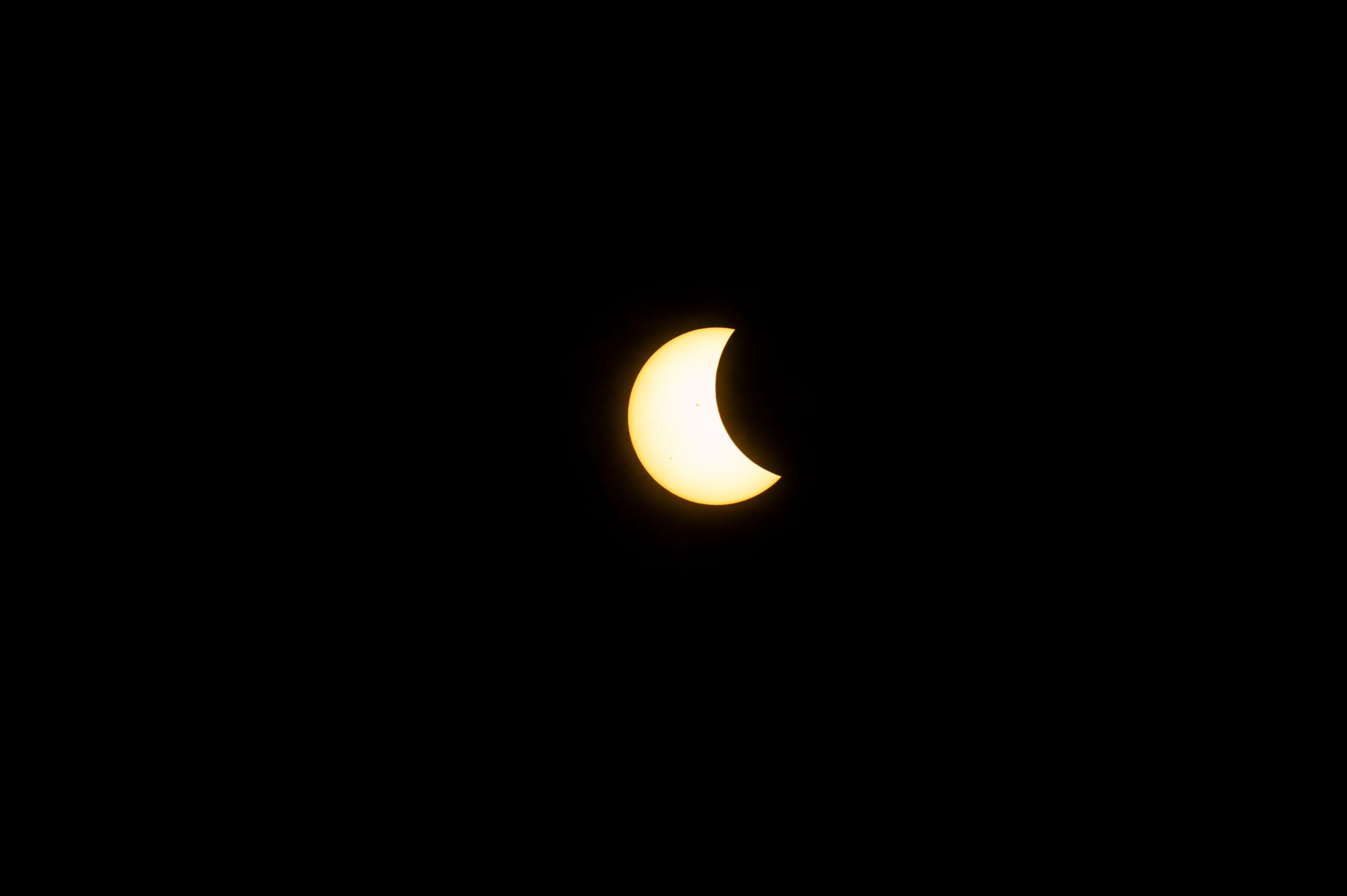
The sky darkens today as a total solar eclipse sweeps across parts of the globe, offering a rare chance to witness the Sun’s corona with the naked eye. Live streams are being set up to share the event worldwide, and astronomers are ready to capture high‑resolution data. At the same time, solar flare activity has jumped, with sixteen flares recorded in the past 24 hours, though geomagnetic effects remain modest. The anticipated aurora‑producing coronal mass ejection has either missed Earth or is delayed, leaving only the Perseids meteor shower as the night‑time highlight. Understanding this blend of celestial events helps both hobbyists and scientists gauge space‑weather conditions.
What happened
The total solar eclipse begins this morning, with the path of totality crossing portions of North America, Central America, and the Atlantic Ocean. Observers in the central corridor will experience several minutes of darkness, and the event is being streamed live for global audiences. While the eclipse dominates the day, the Perseids meteor shower will still be active after nightfall, offering a classic meteor‑watching experience. Solar flare activity has risen sharply: sixteen flares were recorded over the past day, up from five the previous day, including four C‑class and twelve B‑class events. The strongest was a C2.5 flare from active region AR4507 at 23:04 UTC on August 11. AR4507, a newly emerged beta‑type region in the Sun’s southeast quadrant, produced seven flares, making it the dominant flare source, while AR4508 contributed five. Forecasters note that no Earth‑directed coronal mass ejection was observed, and the expected CME either brushed past Earth as a weak glancing blow or is still en route. Consequently, only weak geomagnetic disturbances are predicted, with no G1 (minor) storm expected, dampening hopes for auroral displays.
Why it matters
The eclipse provides a unique laboratory for studying the solar corona, a region normally hidden by the Sun’s bright disk, which can improve models of solar wind and space weather. Simultaneously, the flare surge, even at modest C‑class levels, raises radiation levels that can affect satellite operations and high‑altitude flights. Understanding the limited geomagnetic response helps operators anticipate minimal impact on power grids and navigation systems.
- Stunning visual spectacle draws public interest in astronomy.
- Scientists can study the solar corona without instrumentation.
- Live‑stream coverage makes the event accessible worldwide.
- Weak CME means no auroral displays despite expectations.
- Cloud cover could spoil ground‑based viewing in many regions.
- Increased flare activity raises radiation risk for satellites.
How to think about it
Treat today’s eclipse as both a public outreach moment and a data‑gathering opportunity. If you’re in the path of totality, plan a safe viewing spot well before first contact and have ISO‑certified eclipse glasses ready. For those outside the path, follow the live streams to experience the event and keep an eye on space‑weather alerts that may affect satellite communications later in the day.
FAQ
When and where can I see the total solar eclipse today?+
Will the recent solar flares produce visible auroras?+
How can I safely watch the eclipse?+
- news·2 min readQuiet Sun Shows Small Flare Surge as AR4505 Fires 14 Events, CME May Trigger Minor Storm
A sudden burst of magnetic flux on the Sun’s northwest limb sparked 18 small flares, with AR4505 responsible for most, and a recent CME could cause a minor geomagnetic storm.
- news·3 min readCanada's Night Sky to Host Peak Perseid Meteor Shower and Partial Solar Eclipse on Aug 12-13
The Perseid meteor shower peaks Aug 12‑13, coinciding with a partial solar eclipse, offering Canadians a spectacular sky show.
- news·3 min readAugust 12, 2026 Total Solar Eclipse: Path, Duration, and Viewing Tips
The August 12, 2026 total solar eclipse will cross Spain, Iceland, and Greenland, delivering up to 2 min 18 sec of totality and possible Perseids.