China’s Tianwen‑2 reaches asteroid Kamoʻoalewa after a billion‑kilometre, 400‑day chase
After a 400‑day, 1‑billion‑km journey, China’s Tianwen‑2 has rendezvoused with near‑Earth asteroid Kamoʻoalewa, beginning its science phase.
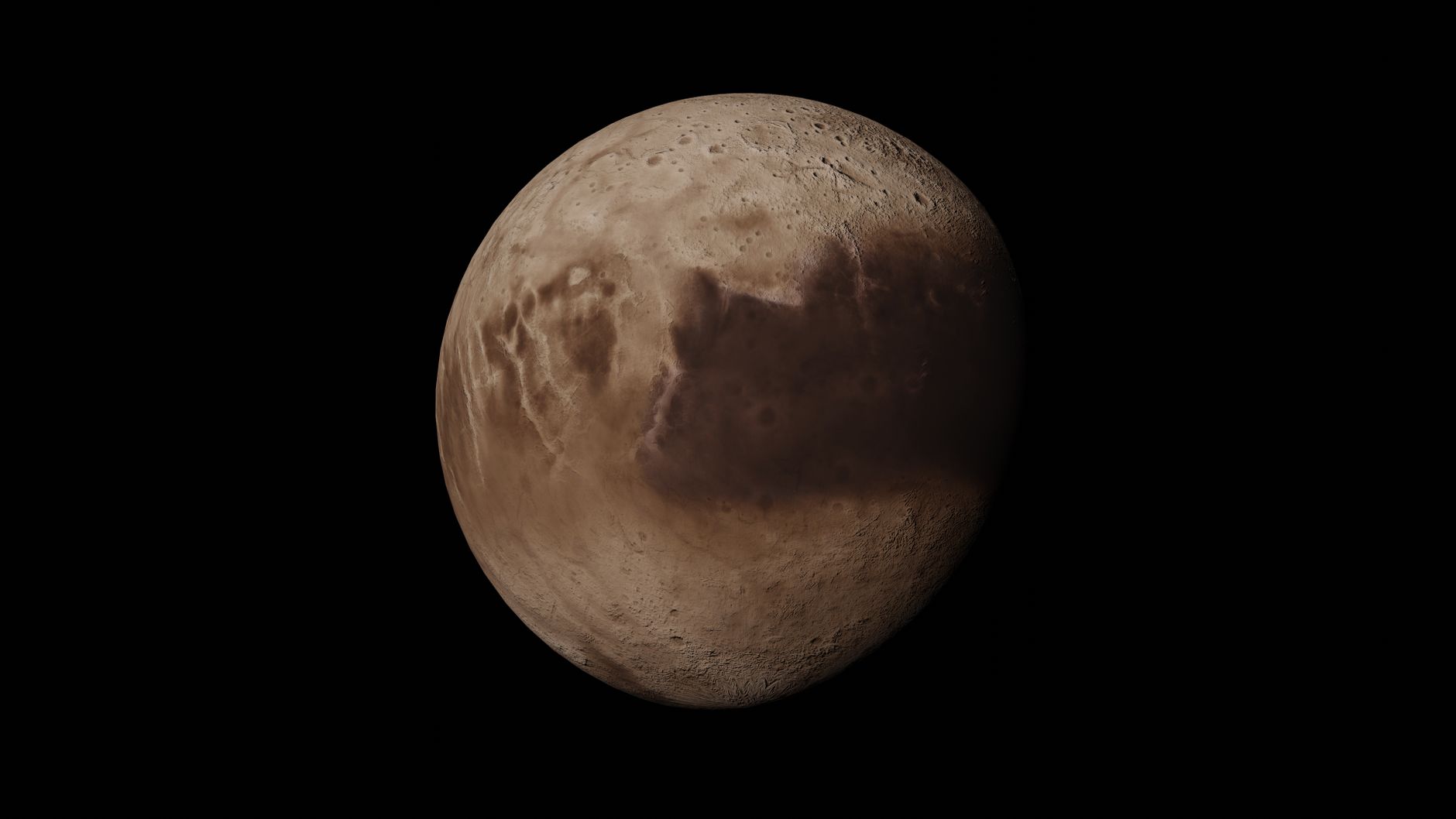
China’s Tianwen‑2 spacecraft has finally closed the distance to near‑Earth asteroid Kamoʻoalewa after a 400‑day, roughly 1‑billion‑kilometre trek through deep space. Launched in May 2025, the probe performed a series of mid‑course corrections before achieving a rendezvous within about 20 kilometres of the tumbling rock. This marks the first time a Chinese mission has matched orbit with a known asteroid, opening a new chapter of scientific investigation and technology demonstration.
What happened
Tianwen‑2 lifted off from the Xichang Satellite Launch Center in May 2025 and spent the next 400 days traveling an estimated 1 billion kilometres, using a series of small trajectory adjustments rather than a straight line. On 1 June 2026 the spacecraft detected asteroid 2016 HO3 (Kamoʻoalewa) with its onboard instruments and, a day later, performed a capture control maneuver at roughly 30 000 kilometres to match the asteroid’s orbital plane.
By 19 June the separation had shrunk to about 2 000 kilometres, and continued refinements brought the spacecraft to within roughly 20 kilometres of the asteroid. Optical imaging during the final approach reduced the positional uncertainty from an initial 100 kilometres to about 1 kilometre, data that has already been released through China’s Lunar and Planetary Data Release System.
Why it matters
The rendezvous demonstrates that China can execute high‑precision deep‑space navigation over interplanetary distances, a capability essential for future asteroid sampling or deflection missions. Scientific study of Kamoʻoalewa will improve our understanding of quasi‑satellite objects that linger near Earth, informing both planetary‑defense strategies and models of solar‑system dynamics. Moreover, the mission showcases international data‑sharing practices, as positional updates are publicly available for the global research community.
- Validates long‑duration, high‑precision deep‑space navigation.
- Provides unprecedented positional data for a near‑Earth quasi‑satellite.
- Strengthens China’s role in collaborative planetary science.
- Early science phase; detailed composition data are still pending.
- Mission success hinges on continued communication with a small, tumbling target.
- Limited ground‑based follow‑up so far, constraining independent verification.
How to think about it
Treat Tianwen‑2’s arrival as a proof‑of‑concept milestone rather than a final scientific verdict. Follow the mission’s data releases to track how positional uncertainties shrink and how surface observations evolve. When evaluating asteroid‑deflection concepts, consider the navigation techniques demonstrated here as a baseline for the precision required to meet small bodies.
FAQ
How far is Kamoʻoalewa from Earth when Tianwen‑2 rendezvoused?+
What makes Kamoʻoalewa a unique target?+
Will the mission return samples to Earth?+
- missions·3 min readHera Mission to Investigate Asteroid Impact Site in November
ESA's Hera mission will arrive at the asteroid impact site in November 2026, investigating the aftereffects of the DART mission's asteroid strike.
- news·2 min readAstronomers Reveal Asteroid Nysa Is Likely a Contact Trinary with a Small Moon
Images from the Large Binocular and Very Large Telescopes show asteroid Nysa likely has three joined lobes and a tiny moon.
- news·3 min readChina agrees to supply 400 man‑portable air‑defence launchers to Iran
China is delivering 400 QW‑12 and FN‑16 man‑portable air‑defence launchers to Iran in a $70 million deal, heightening regional security concerns.