Astronomers Uncover Nearby Super-Earth Exoplanet with Promising Habitability Indicators
A newly discovered super-Earth exoplanet, TOI-700 e, orbits within its star's habitable zone, showing potential for liquid water. This finding boosts the search for extraterrestrial life.
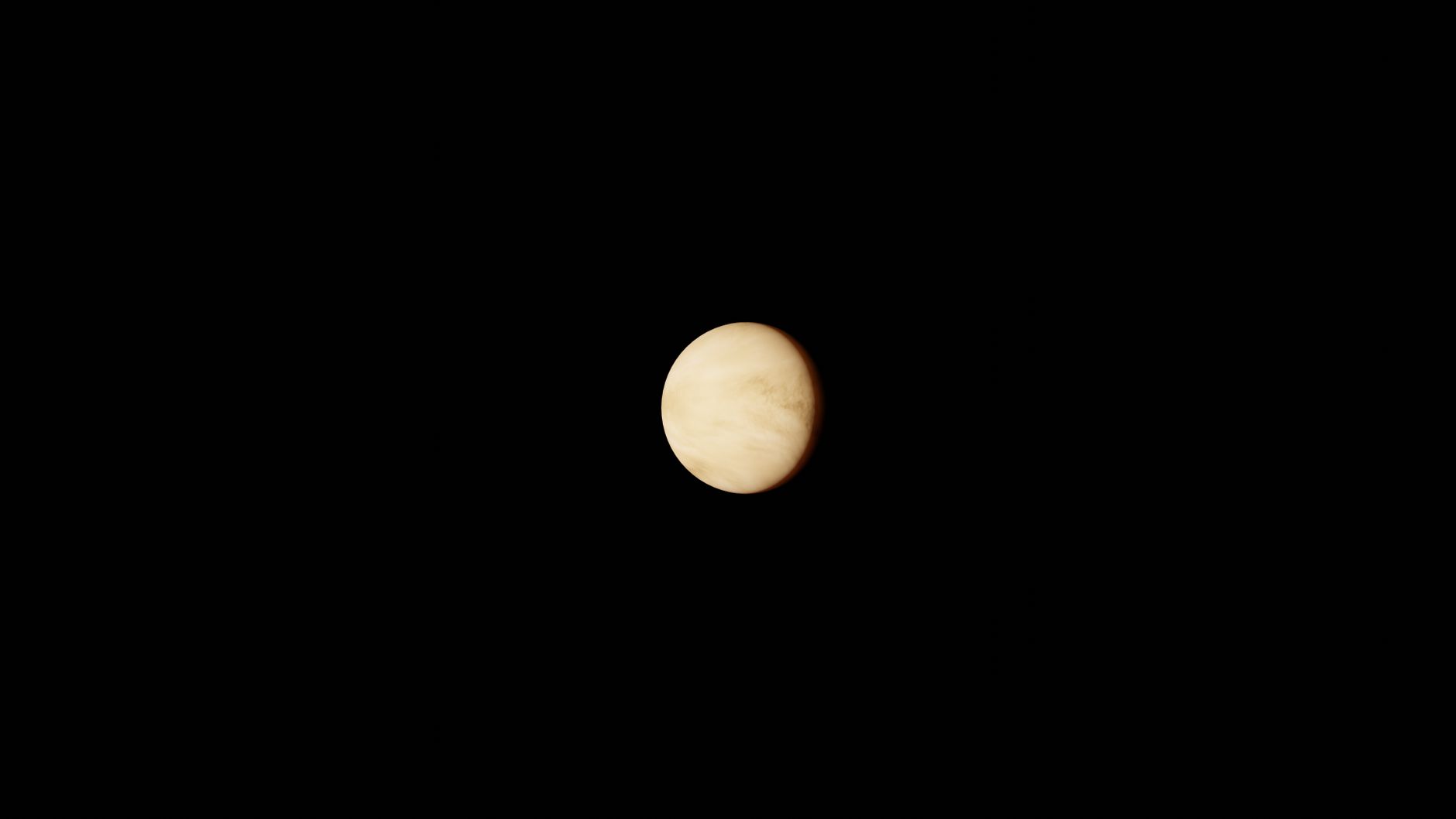
Astronomers have announced the discovery of a new exoplanet, designated TOI-700 e, a super-Earth orbiting within the habitable zone of its parent star. This significant finding, made possible by data from NASA's Transiting Exoplanet Survey Satellite (TESS), adds another intriguing candidate to the growing list of worlds that could potentially host liquid water and, by extension, life. The discovery represents a crucial step forward in our ongoing quest to understand the prevalence of habitable environments beyond our solar system.
What happened
Utilizing four years of observations from TESS, researchers identified TOI-700 e, a rocky exoplanet approximately 95% the size of Earth. It orbits the cool M-dwarf star TOI-700, located about 100 light-years away in the constellation Dorado. This newly confirmed planet joins three other known planets in the system, TOI-700 b, c, and d, with TOI-700 d also residing in the star's habitable zone.
The planet was detected using the transit method, where scientists observe a slight dip in the star's brightness as the exoplanet passes in front of it. TOI-700 e completes an orbit around its star every 27.8 Earth days, placing it squarely within the conservative habitable zone, the region where conditions could allow for liquid water to exist on its surface. Its relatively small size and potentially rocky composition make it a prime target for further investigation into its atmospheric conditions.
Why it matters
The discovery of TOI-700 e is particularly significant because it represents one of the few known Earth-sized planets within the habitable zone of a quiet M-dwarf star. M-dwarfs are the most common type of star in our galaxy, and finding multiple potentially habitable planets around one star system offers invaluable insights into planetary formation and the distribution of life-friendly environments. This system provides a unique laboratory for comparative planetology, allowing scientists to study how different planets within the same stellar system evolve and interact.
Furthermore, TOI-700 e's proximity and the relative calmness of its host star make it an excellent candidate for follow-up observations with powerful instruments like the James Webb Space Telescope (JWST). Future studies could aim to characterize its atmosphere, searching for potential biosignatures—gases that might indicate the presence of life. Each such discovery refines our understanding of what makes a planet habitable and brings us closer to answering the fundamental question of whether we are alone in the universe.
- Adds a promising new target to the search for extraterrestrial life and biosignatures.
- Expands our understanding of planetary diversity and formation around M-dwarf stars.
- Validates and refines exoplanet detection methods and habitability models.
- Fuels public interest and investment in space exploration and astronomical research.
- Atmospheric composition remains unknown, crucial for confirming habitability.
- Confirming the presence of liquid water directly is extremely challenging with current technology.
- The vast distance makes any direct exploration or communication currently impossible.
- Interpretations of habitability are based on models and require extensive future verification.
How to think about it
When considering discoveries like TOI-700 e, it's essential to appreciate the incremental nature of scientific progress. While the term "habitable zone" sparks excitement, it's a theoretical region where conditions could allow for liquid water, not a guarantee of its presence or, more importantly, of life. Think of these discoveries as narrowing down the vast cosmic haystack, identifying the most promising needles for closer inspection. Each new exoplanet found in a habitable zone is a data point that helps refine our models of planetary formation and atmospheric science, pushing the boundaries of our knowledge. It's a testament to human curiosity and ingenuity, reminding us that the universe is far richer and more diverse than we once imagined.
FAQ
What does 'habitable zone' mean in astronomy?+
How was TOI-700 e discovered, and what is the transit method?+
What are the next steps for studying exoplanets like TOI-700 e?+
- astronomy·4 min readAstronomers Discover Two Jupiter-Sized 'Super-Puff' Exoplanets Lighter Than Cotton Candy
Astronomers have identified two new 'super-puff' exoplanets, each the size of Jupiter but with a density lighter than cotton candy. This rare discovery challenges planet formation theories.
- astronomy·2 min readJames Webb Telescope Detects Unexpected Water Vapor in Distant Exoplanet Atmosphere
New JWST observations reveal water vapor on a far‑off exoplanet, reshaping ideas of habitability.
- astronomy·3 min readJuly 2026 Report: Long‑Lived Exoplanet Atmospheres, Extended Star Birth, and a Quieter Galactic Black Hole
July 2026 findings show exoplanet atmospheres lasting billions of years, star formation persisting longer, and a less ravenous galactic black hole.