SpaceX launches 24 Starlink satellites from Vandenberg, completing double‑header day
SpaceX lifted off 24 Starlink satellites from Vandenberg, marking a double‑header day and the 94th Falcon 9 launch of 2026.
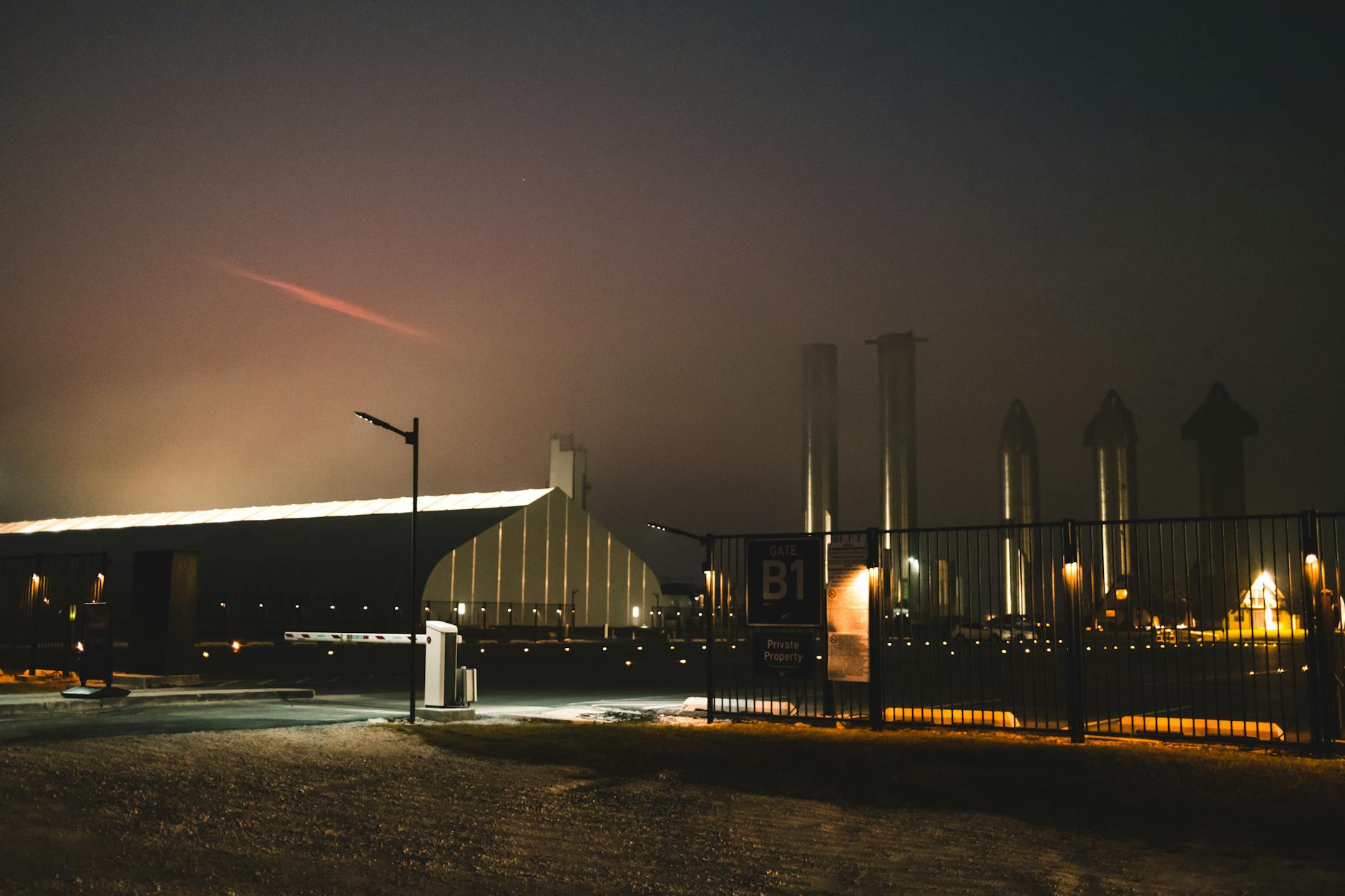
On August 12, 2026, SpaceX added another 24 satellites to its Starlink constellation from its West Coast launch pad. The Falcon 9 rose from Vandenberg Space Force Base at 12:46 p.m. EDT, delivering the payload to low‑Earth orbit about an hour later. The mission, designated Starlink Group 17‑49, also marked the company’s 94th Falcon 9 launch of the year and the fifth flight of booster B1103, which safely returned to the “Of Course I Still Love You” droneship. This double‑header day, coming just 12 hours after a Florida launch, pushes the Starlink fleet past 10,900 active satellites and underscores SpaceX’s rapid launch cadence.
What happened
A Falcon 9 lifted off from Vandenberg Space Force Base at 12:46 p.m. EDT on August 12, carrying 24 Starlink broadband satellites to low‑Earth orbit. About eight and a half minutes after liftoff, the first stage—booster B1103—performed a controlled landing on the “Of Course I Still Love You” droneship in the Pacific, marking its fifth successful flight. The second stage continued on to deploy the Starlink payload roughly one hour after launch, inserting the satellites into their designated orbital planes.
In addition to the Starlink batch, the same launch vehicle also delivered two secondary payloads—NROL‑179 and SDA‑T1TL‑E—in support of U.S. national‑defense missions. The event was the 94th Falcon 9 launch of the calendar year, and the 73rd that has placed Starlink hardware into orbit, reinforcing SpaceX’s position as the world’s most prolific launch provider.
Why it matters
Each new group of Starlink satellites expands global broadband coverage, especially in underserved regions, and brings the constellation closer to the 10,900‑satellite threshold that defines a truly global mesh network. Reusing booster B1103 for a fifth flight showcases the cost‑saving potential of SpaceX’s reusable architecture, which can lower launch prices for both commercial and government customers. However, the rapid cadence also intensifies concerns about orbital congestion and long‑term debris mitigation, issues that regulators and the international community must address as megaconstellations grow.
- Expanded internet access for remote and rural areas worldwide.
- Demonstrated reliability of a booster on its fifth flight, reducing launch costs.
- Accelerated deployment supports upcoming V3 and AI‑satellite plans.
- Increased orbital traffic raises collision risk.
- Potential for space‑debris generation if re‑entry failures occur.
- Market saturation could pressure pricing and competition.
How to think about it
For consumers, the expanding Starlink network means more options for high‑speed internet, but service availability will still depend on local regulatory approvals. Policymakers should balance the benefits of broadband access against the need for stringent debris‑tracking and de‑orbit guidelines. Investors can view SpaceX’s reusable booster performance as a metric of operational efficiency, while also monitoring regulatory developments that could impact future launch cadence.
FAQ
How many Starlink satellites are currently active?+
What is notable about booster B1103’s flight history?+
Will the rapid launch schedule increase space‑debris risk?+
- news·2 min readSpaceX Falcon 9 lifts off from Vandenberg, deploying 24 Starlink satellites
On Aug 8, 2026, SpaceX’s Falcon 9 launched 24 Starlink satellites from Vandenberg, marking its 92nd Falcon 9 flight this year.
- spaceflight·3 min readSpaceX’s Tuesday Night Starlink Launch from Vandenberg Adds 24 Satellites to 11,000‑Strong Constellation
SpaceX’s Tuesday night Falcon 9 launch from Vandenberg will add 24 Starlink satellites, bringing the constellation to about 11,000 and testing booster B1097’s reuse.
- news·3 min readSpaceX Captures Starship Second Stage Mid‑Air After 22‑Hour Orbital Flight
SpaceX’s Starship second stage was snagged by the launch‑pad arms after a 22.5‑hour, 14‑orbit flight, marking the first orbital catch.