SpaceX Falcon 9 lifts off from Vandenberg, deploying 24 Starlink satellites
On Aug 8, 2026, SpaceX’s Falcon 9 launched 24 Starlink satellites from Vandenberg, marking its 92nd Falcon 9 flight this year.
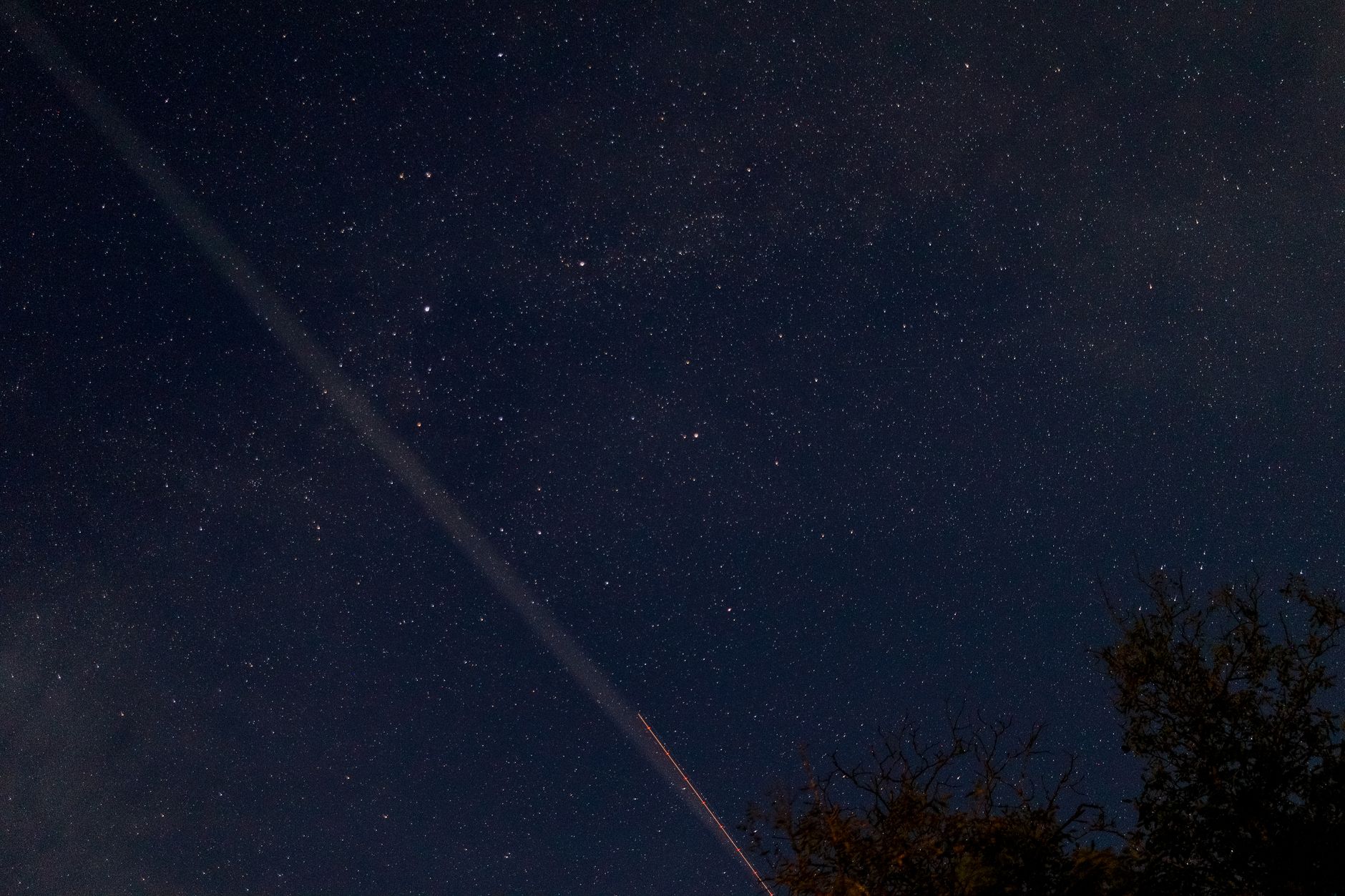
SpaceX’s Falcon 9 rocket roared off the pad at Vandenberg Space Force Base on Aug 8, 2026, carrying 24 new Starlink broadband satellites into low‑Earth orbit. The launch lifted off at 12:35 p.m. EDT (1635 GMT) and the payload was released about an hour later, expanding the company’s ever‑growing megaconstellation. This flight marks the 92nd Falcon 9 liftoff of the year and the 71st Starlink mission, underscoring SpaceX’s rapid cadence and its reliance on reusable hardware.
What happened
A Falcon 9 lifted from pad 2 at Vandenberg at 12:35 p.m. EDT (1635 GMT). The first stage, booster B1093, completed its 16th flight and touched down on the droneship “Of Course I Still Love You” in the Pacific about 8.5 minutes after liftoff.
The upper stage continued on a trajectory to low‑Earth orbit, deploying the 24 Starlink satellites roughly 61 minutes after launch. This launch brings the total number of active Starlink satellites to over 10,900 and represents the 71st Starlink deployment of 2026.
Why it matters
Each new batch tightens global broadband coverage, especially in remote regions that lack terrestrial infrastructure. The repeated use of booster B1093 demonstrates the economic viability of reusability, lowering launch costs and enabling the rapid scaling of the constellation. At the same time, the growing constellation raises concerns about orbital congestion and the long‑term sustainability of the LEO environment.
- Expands high‑speed internet access to underserved areas.
- Shows reliable performance of a 16‑flight reusable booster.
- Generates revenue that funds further space endeavors.
- Increases orbital traffic, heightening collision risk.
- Contributes to space‑debris and light‑pollution challenges.
- May strain regulatory frameworks for spectrum and orbital slots.
How to think about it
When evaluating future Starlink launches, consider three factors: the launch cadence (how quickly new satellites are added), the reusability record of the booster (which influences cost and reliability), and the broader impact on the LEO environment (including debris mitigation and regulatory compliance).
FAQ
How many Starlink satellites are currently operational?+
What is the significance of the booster’s 16th flight?+
Will the launch affect astronomical observations?+
- spaceflight·3 min readSpaceX’s Plan for One Million AI Satellites Could Accelerate Climate Risks
SpaceX plans a million AI satellite data centers, sparking worries about rocket emissions and re‑entry debris worsening climate change.
- spaceflight·2 min readSpaceX’s Falcon 9 booster B1080 hits 600th flight, adds 29 Starlink satellites
SpaceX launched the Starlink 10-45 mission, marking the 600th flight of a flight‑proven Falcon 9 booster and delivering 29 new internet satellites.
- spaceflight·3 min readSpaceX to Launch Starlink 10-45 Mission with Flight-Proven Falcon Booster
SpaceX is set to launch the Starlink 10-45 mission using a flight-proven Falcon 9 booster, marking its 600th reuse. The mission will add 29 broadband internet satellites to SpaceX's low Earth orbit…