How SpaceX Turned Brownsville, Texas Into a Booming ‘Space City’ Over 15 Years
SpaceX’s Starbase has added thousands of jobs and billions to Brownsville, but also sparked housing, noise, and environmental challenges.
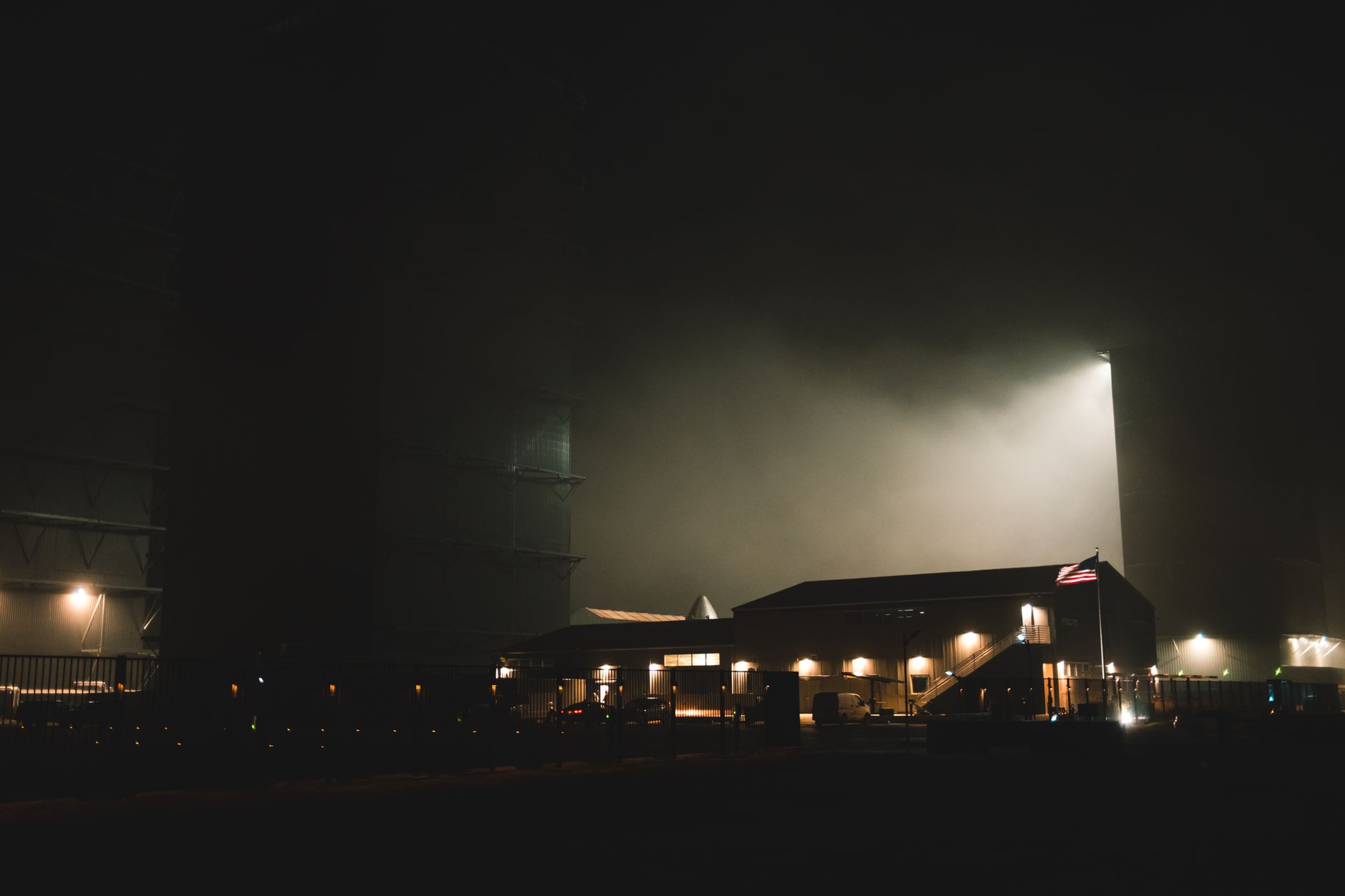
Brownsville, Texas—once labeled the nation’s poorest city—has been reshaped by SpaceX’s Starbase complex into a thriving hub of aerospace activity. Since the company set foot on Boca Chica Beach in 2014, the area has seen roughly 25,000 new jobs and an estimated $13 billion injected into the regional economy. The influx of workers and tourists has spurred new restaurants, coffee shops, and a surge in housing demand. Yet the rapid transformation also brings noise, structural damage claims, and environmental worries that ripple through the community. Understanding this dual‑sided impact is key for other towns courting space‑industry investment.
What happened
Since SpaceX arrived in 2014, the company has built the world’s largest rocket at a newly formed town called Starbase, just east of Brownsville. The presence of the launch site has generated about 25,000 jobs and, according to local officials, injected $13 billion into the South Texas economy during 2023‑2024.
Tourism has exploded, with an estimated 20,000 spaceflight visitors gathering for each Starship launch. New upscale restaurants and coffee shops now line downtown streets, and home prices have roughly doubled since the early days of the project. At the same time, regular protests label the development “¡Fuera SpaceX!” as residents report shaking homes and alleged foundation damage from sonic booms.
Environmental regulators have flagged concerns about wetland pollution and the uncertain impact on migratory birds that rely on nearby habitats. The launch complex sits between wildlife sanctuaries, and the full ecological cost remains under study.
Why it matters
The Brownsville case illustrates how a single private aerospace venture can reshape a local economy, creating jobs and attracting tourism that would otherwise be unattainable. However, the benefits are uneven: rising property values strain long‑time residents, and noise or structural damage erodes quality of life. The environmental footprint raises questions about sustainable development in fragile coastal zones. Policymakers in other regions must weigh these trade‑offs before courting similar megaprojects.
- ~25,000 new jobs revitalized a historically impoverished labor market.
- $13 billion injected boosted public services and infrastructure.
- Tourism surge created ancillary businesses and increased tax revenue.
- Housing prices doubled, reducing affordability for longtime residents.
- Launch noise and sonic booms have led to structural damage claims.
- Potential wetland contamination and threats to migratory bird habitats.
How to think about it
When evaluating a space‑industry project, start by mapping direct economic inputs—jobs, investment, tourism—against indirect costs such as housing pressure, noise, and ecological risk. Engage community stakeholders early to identify mitigation strategies, like sound‑abatement zones or affordable‑housing funds. Finally, establish transparent monitoring of environmental impacts to ensure that growth does not come at an irreversible ecological price.
FAQ
What economic benefits has SpaceX brought to Brownsville?+
How have local residents been affected by the launches?+
What environmental concerns are associated with the Starbase site?+
- news·3 min readHouse Energy Committee Demands Tour of SpaceX’s Memphis AI Data Centers Over Health Concerns
Congressional leaders are pressing SpaceX for a tour and records of its Memphis AI data centers, citing pollution and community health risks.
- news·3 min readSpaceX captures first Starship upper stage tower catch in slow‑motion video
SpaceX released four tower‑camera slow‑motion videos of its first successful Starship upper‑stage catch, showcasing the new reusable architecture.
- news·3 min readSpaceX’s New Revenue Streams Position SPCX to Outperform Wall Street Forecasts
SpaceX’s expanding launch, connectivity, and AI businesses could drive SPCX earnings beyond analyst expectations.