Rocket Lab completes 5‑minute Archimedes engine burn, clearing path for Neutron heavy‑lift rocket
Rocket Lab’s full‑duration Archimedes engine test lasted just under 5.5 minutes, confirming performance for the upcoming Neutron launch vehicle.
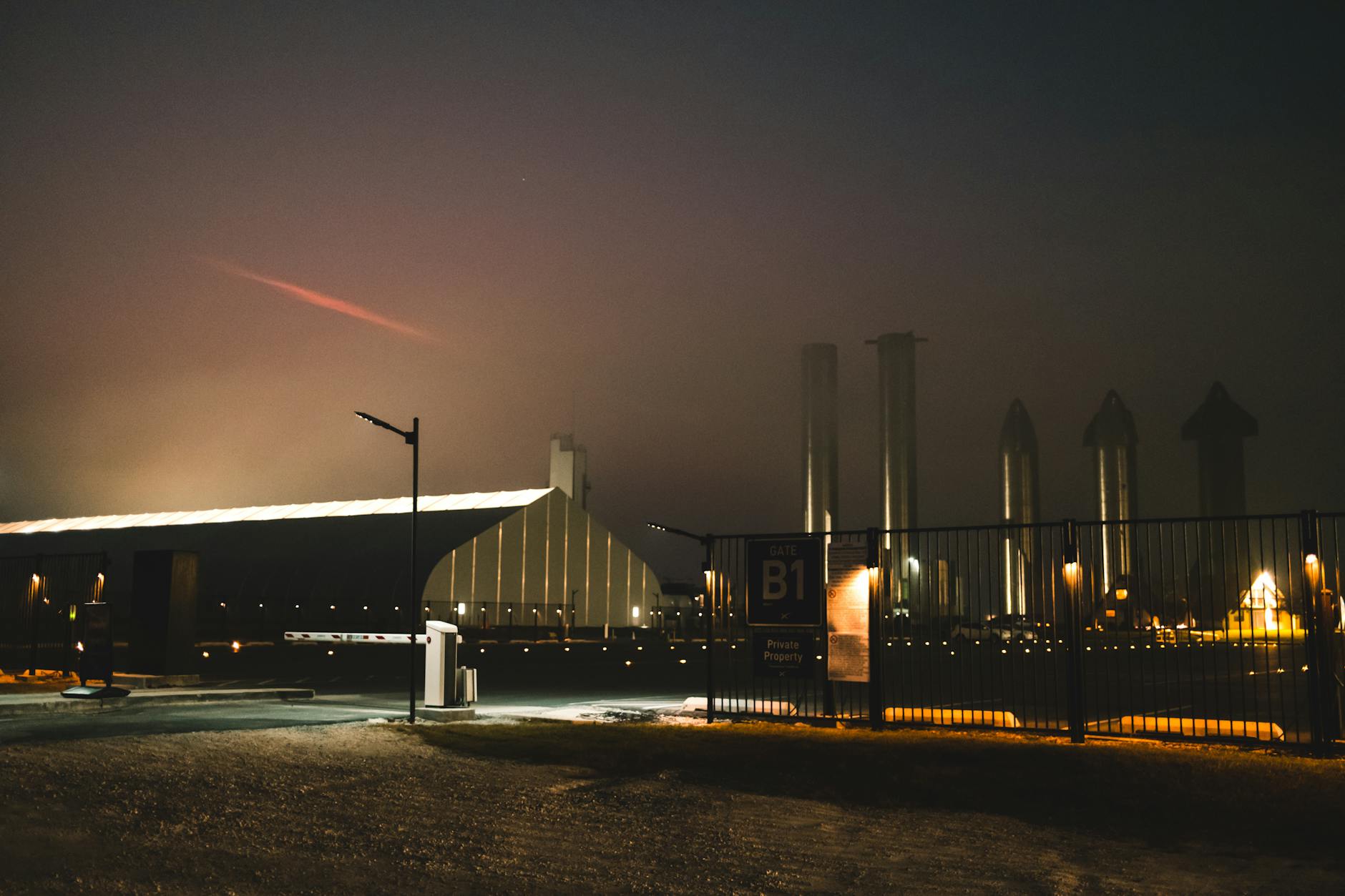
Rocket Lab lit up the night sky at NASA’s Stennis Space Center as its next‑generation Archimedes engine roared for nearly six minutes. The company completed a full‑duration, flight‑like burn of the second‑stage Archimedes vacuum engine, lasting just under 5.5 minutes. This test is a critical step toward integrating the engine into the Neutron launch vehicle slated for later this year. By proving the engine’s endurance, Rocket Lab moves closer to delivering a heavy‑lift, partially reusable rocket that could reshape the commercial launch market.
What happened
The burn took place at Rocket Lab’s Archimedes Test Complex within Stennis, where the vacuum‑optimized engine was fired in a simulated flight profile. Engineers ran the engine for the full 5.5‑minute duration to verify thermal, structural, and performance margins under conditions that mirror an actual ascent.
Neutron’s first stage will host eight Archimedes engines delivering nearly 1.5 million pounds of thrust at liftoff, comparable to a Merlin 1D per engine. The second stage relies on a single larger Archimedes vacuum engine that produces about 1.2 times the thrust of its first‑stage counterparts. The vehicle also features a unique “Hungry Hippo” fairing that opens like a clam shell, exposing the second‑stage engine for its final orbital push.
Why it matters
Validating the Archimedes engine’s full‑duration performance demonstrates that Rocket Lab can generate thrust levels rivaling established heavy‑lift providers, potentially opening new markets for large payloads and deep‑space missions. The test also confirms the design of Neutron’s reusable first stage and its novel fairing system, both of which could reduce launch costs and increase payload flexibility. Success here puts Rocket Lab in direct competition with SpaceX’s Falcon 9 and upcoming heavy‑lift concepts from other firms.
- Demonstrated flight‑like endurance of the Archimedes vacuum engine.
- Thrust output comparable to industry‑standard Merlin 1D engines.
- Enables integration planning for the Neutron vehicle’s first and second stages.
- Only a single‑engine test; full‑vehicle performance remains unproven.
- Launch timeline still uncertain despite the test success.
- Reusability of the first stage has yet to be demonstrated in flight.
How to think about it
For enthusiasts tracking the next wave of launch capabilities, treat the Archimedes burn as a validation milestone rather than a launch guarantee. Keep an eye on upcoming integration tests and static‑fire campaigns that will pair the engine with Neutron’s first‑stage structure. Consider how Neutron’s thrust and reusable architecture could affect launch pricing and availability for medium‑to‑large payloads, especially as the market diversifies beyond small‑sat services.
FAQ
What is the Archimedes engine?+
How does Neutron’s thrust compare to other heavy‑lift rockets?+
When is the first Neutron flight expected?+
- news·2 min readRocket Lab shares rebound in August after steep September decline
After a sharp drop in September, Rocket Lab's stock surged in August, highlighting volatile market dynamics for small launch providers.
- news·2 min readSpaceX Falcon 9 lifts off from Vandenberg, deploying 24 Starlink satellites
On Aug 8, 2026, SpaceX’s Falcon 9 launched 24 Starlink satellites from Vandenberg, marking its 92nd Falcon 9 flight this year.
- news·2 min readStarship recovery looks bleak two weeks after 13th test flight, says Elon Musk
SpaceX's Starship 13th test flight splashed down intact, but recovery is now doubtful amid rough seas, per Elon Musk.