Quiet Sun Shows Small Flare Surge as AR4505 Fires 14 Events, CME May Trigger Minor Storm
A sudden burst of magnetic flux on the Sun’s northwest limb sparked 18 small flares, with AR4505 responsible for most, and a recent CME could cause a minor geomagnetic storm.
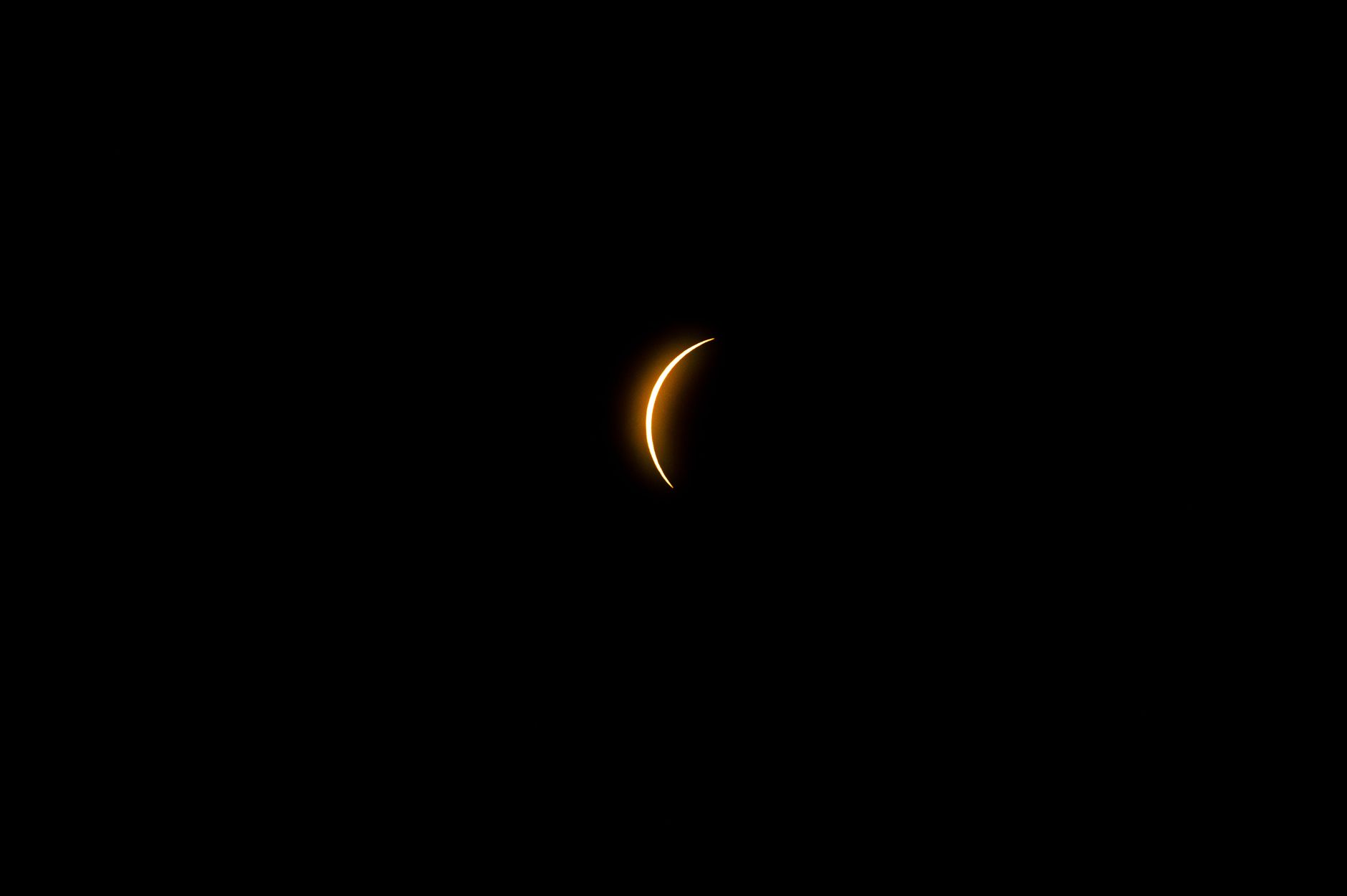
The Sun’s surface has been unusually quiet, but on August 9 a rapid emergence of magnetic flux on the northwest limb sparked a brief uptick in activity. Active region AR4505 appeared after 15:00 UTC and immediately began producing a series of small C‑class and B‑class flares, totaling 18 events over the period. While the strongest flare was only a modest C1.8, the burst pushed solar activity back to low‑level levels after several days of calm. This resurgence matters because even modest flares can influence space‑weather forecasts and the recent coronal mass ejection (CME) from August 8 may still affect Earth’s magnetosphere.
What happened
On August 9, AR4505 (N16W79, beta configuration) emerged rapidly on the Sun’s northwest limb. Within an hour it started firing flares, accounting for 14 of the 18 recorded events, including five of the six C‑class flares. The strongest was a C1.8 at 16:30 UTC.
In total, observers logged 18 flares: six C‑class and twelve B‑class. The other numbered regions on the Earth‑facing disk—AR4503 and AR4504—remained quiet, producing only B‑class events, while older regions rotated off the western limb. The solar wind continued to settle after a CME that passed Earth early on August 8, and forecasters are monitoring two August 8 CMEs for possible G1 (minor) geomagnetic storms.
Why it matters
Even low‑level flares can enhance the background radiation environment, affecting satellite operations and high‑frequency communications. The concentration of activity in a single region near the limb limits direct geoeffectiveness, but the accompanying CME still carries the potential to drive minor geomagnetic disturbances, especially at higher latitudes where aurora watchers may see enhanced displays.
- Provides early warning of renewed solar activity after a quiet spell.
- Helps refine flare‑frequency models for active‑region evolution.
- Alerts aurora enthusiasts to possible minor geomagnetic storms.
- Flares are modest and unlikely to cause significant radio blackouts.
- AR4505’s limb position reduces its direct impact on Earth.
- Space‑weather forecasts remain uncertain due to multiple CMEs.
How to think about it
Treat this flare surge as a reminder that solar activity can rebound quickly. Monitor NOAA’s space‑weather alerts for updates on the August 8 CMEs, and consider adjusting satellite‑operation schedules only if a G1 storm is forecast. For aurora chasers, keep an eye on high‑latitude KP indices rather than expecting a major display.
FAQ
What caused the sudden increase in flares on August 9?+
Will the C1.8 flare affect Earth’s communications?+
How likely is a geomagnetic storm from the August 8 CMEs?+
- news·2 min readMultiple CMEs Expected to Reach Earth August 7–9, Potential for Minor Geomagnetic Storms
Several weak CMEs will arrive from August 7 to 9, possibly triggering G1 geomagnetic storms and auroral displays.
- news·3 min readNew 'switch‑off' marker lets scientists forecast Solar Cycle 26 strength up to seven years early
Researchers identified a sudden 'switch‑off' point in the solar cycle, enabling predictions of Solar Cycle 26 strength years in advance.
- news·4 min readNorthern Lights Forecast: Geomagnetic Storm Offers Rare Visibility Across Northern US States
A coronal mass ejection from the sun is set to trigger a G1/G2 geomagnetic storm, potentially making the Northern Lights visible in up to 19 northern US states. Learn when and where to look for this…