Two Decades After Pluto’s Demotion: Could the Dwarf Planet Regain Planet Status?
Explore why Pluto’s 2006 reclassification still sparks debate and what scientific and cultural factors could restore its planet title.
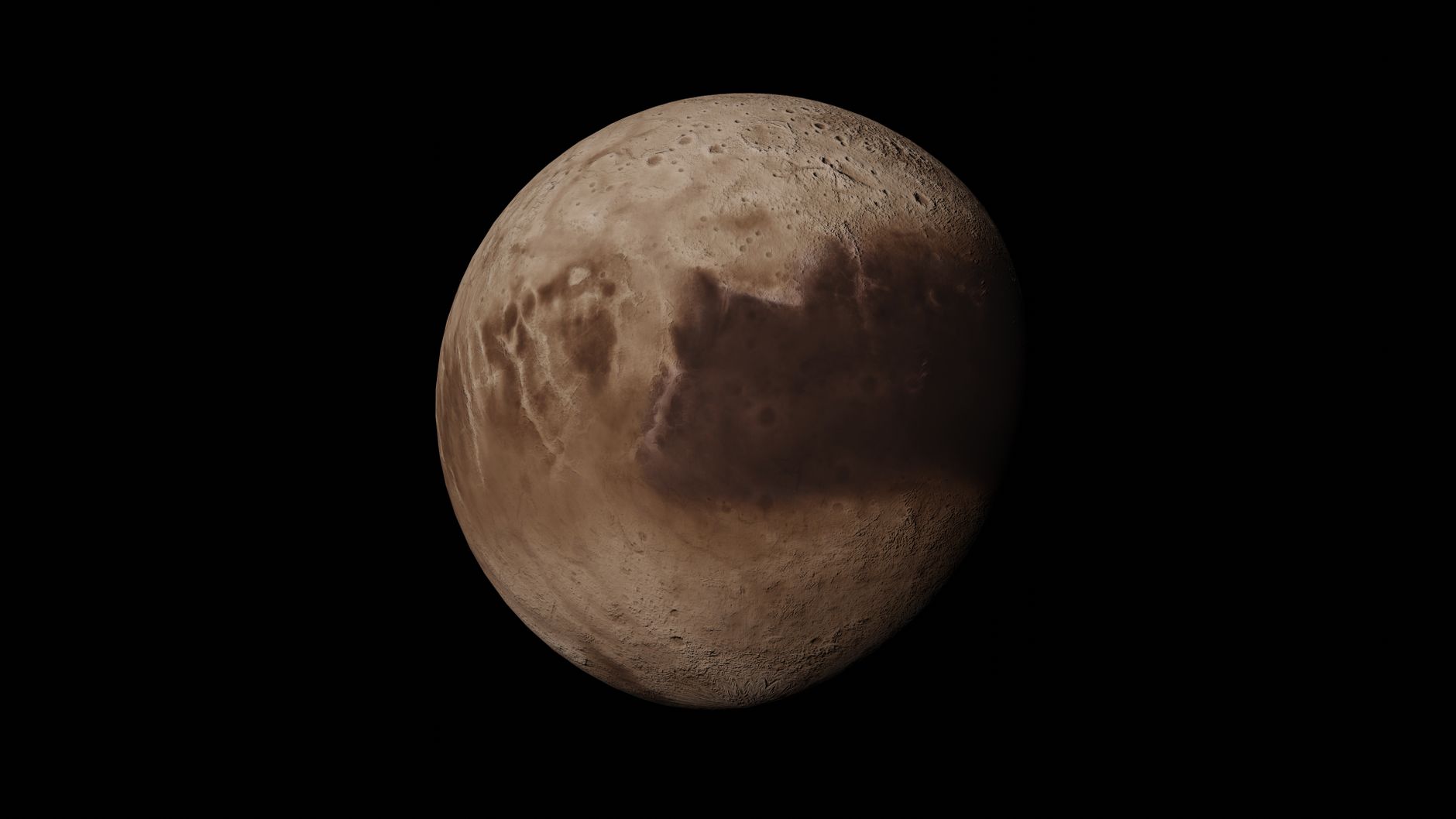
Twenty years have passed since the International Astronomical Union voted to demote Pluto from planet to dwarf planet. The 2006 decision, driven by the discovery of Kuiper Belt objects and the Pluto‑size dwarf Eris, reshaped how we categorize solar‑system bodies. Yet the public’s affection for Pluto and new data from the New Horizons flyby keep the debate alive. Understanding whether Pluto could regain planet status reveals how scientific definitions evolve alongside cultural expectations.
What happened
In August 2006 the IAU voted to reclassify Pluto as a dwarf planet, assigning it minor‑planet number 134340. This followed years of lobbying, including Neil deGrasse Tyson’s 2000 removal of Pluto from the Hayden Planetarium display and the 1990s discovery of Kuiper Belt objects with similar orbits.
The discovery of Eris in July 2005, a body comparable in size to Pluto, forced the IAU to confront the definition of a planet at its 2005 meeting, where proposals ranging up to 14 planets were debated before settling on the three‑criterion rule that left Pluto out.
New Horizons launched in 2005 as a mission to a planet but arrived at the dwarf planet in 2015, revealing a complex world with geology, atmosphere, and moons, further fueling arguments that Pluto behaves like a planet.
Why it matters
The classification of Pluto touches both scientific rigor and public imagination. A stricter definition helps astronomers compare planetary formation across the galaxy, while a more inclusive label aligns with the way generations of students have been taught the solar system’s nine worlds. Restoring Pluto’s planet status could reshape textbooks, influence funding for outer‑solar‑system missions, and affect how future Kuiper Belt discoveries are categorized.
- Reinstating Pluto as a planet would harmonize scientific terminology with public perception.
- It could spark renewed interest and investment in Kuiper Belt exploration.
- The change would acknowledge the complex geology revealed by New Horizons.
- Altering the IAU definition risks creating ambiguity for other dwarf planets.
- It may require rewriting educational materials worldwide.
- Consensus among astronomers could be fractured, slowing collaborative research.
How to think about it
When evaluating Pluto’s status, weigh three factors: (1) the clarity of the IAU’s three‑criterion definition, (2) the empirical evidence of Pluto’s planetary characteristics, and (3) the broader cultural and educational impact. A balanced approach acknowledges both the scientific need for precise categories and the public’s attachment to the traditional nine‑planet model.
FAQ
Why did the IAU originally demote Pluto?+
Could a new definition bring Pluto back as a planet?+
What would changing Pluto’s status mean for other dwarf planets?+
- astronomy·3 min readCharon’s Oz Terra Mountains Show Moon Spun Over Ten Times Faster Than Today
New models of Charon’s Oz Terra region reveal the moon once rotated every 14 hours—over ten times faster than its current 153‑hour day.
- spaceflight·4 min readSpaceX’s Starship Test 13 Abort and the Rise of Space‑Based Solar Power
Starship’s 13th test abort highlights challenges as SpaceX expands into defense and space solar power.
- news·3 min readFree Streaming Services Compared
Pluto TV vs The Roku Channel vs Tubi