Perseid meteor shower peaks Aug 12‑13; West Virginia’s dark mountains promise premier eastern viewing
The Perseids peak Aug 12‑13, and West Virginia’s dark valleys and Spruce Knob give the East some of its best meteor‑watching skies.
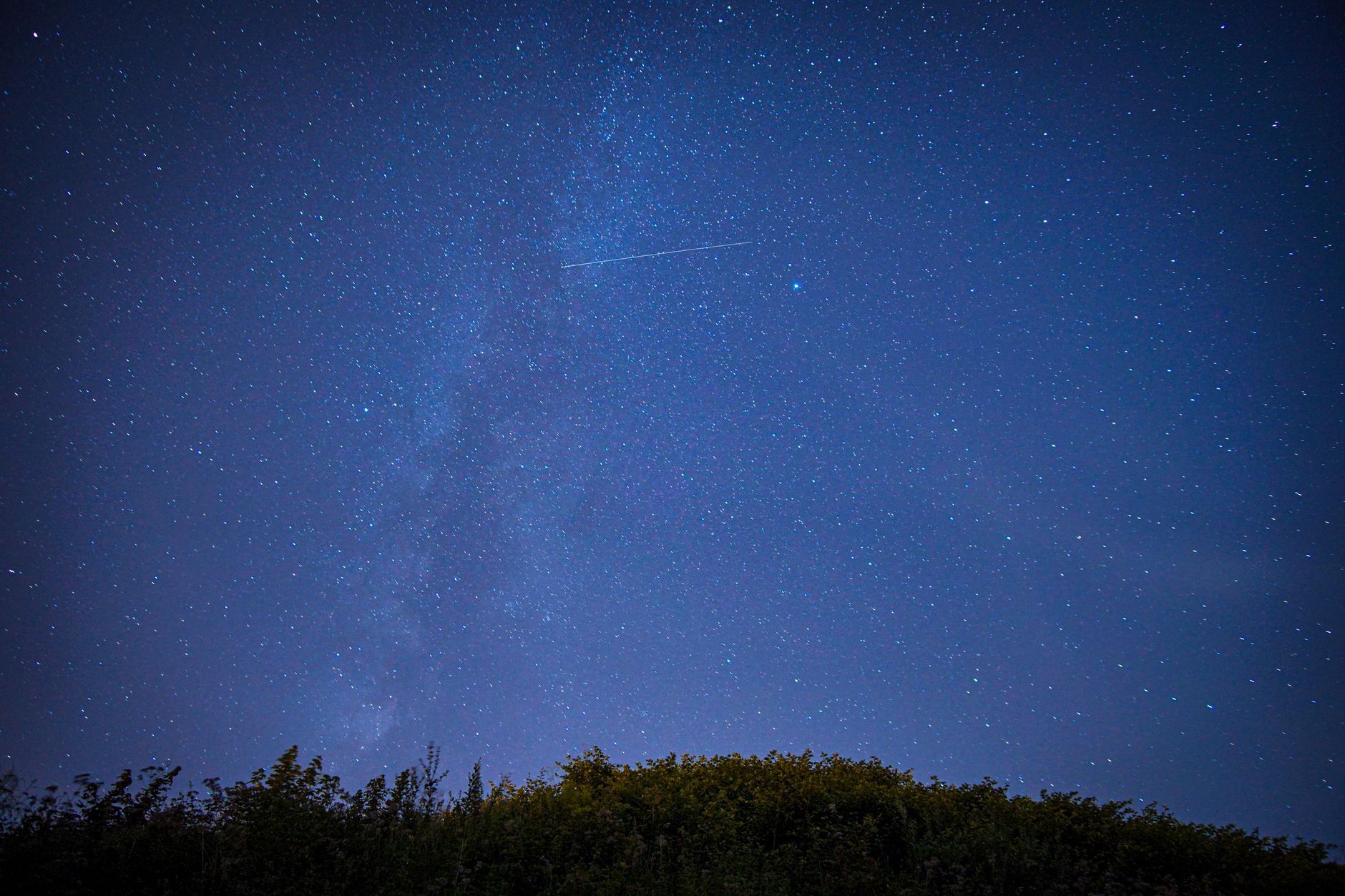
The Perseid meteor shower, a reliable summer sky show, reaches its peak on the nights of August 12 and 13 this year. While many eastern cities wrestle with bright streetlights, West Virginia’s rugged mountains and protected public lands keep the night sky remarkably dark. That combination makes the Mountain State one of the best places in the eastern United States to watch dozens of meteors streak across the sky. For campers, hikers, and night‑sky photographers, the timing also lines up with a popular late‑summer travel window.
What happened
The Perseids are caused by Earth passing through debris left by Comet Swift‑Tuttle, producing bright, fast meteors that often leave glowing trails. This year the shower builds throughout early August and peaks on the nights of Aug. 12‑13, when observers under dark conditions can expect dozens of meteors per hour, weather permitting.
West Virginia stands out because its interior remains largely free of the sprawling light domes that blanket much of the East Coast. National forests, state parks, and wildlife areas cover millions of acres, and high‑elevation sites such as Spruce Knob (4,863 ft) sit far from urban centers, creating some of the darkest natural nightscapes east of the Mississippi.
Why it matters
The convergence of a premier meteor shower with one of the nation’s darkest eastern skies boosts tourism for rural communities and highlights the value of preserving dark‑sky areas. Astronomers and photographers gain a rare opportunity to capture high‑quality meteor imagery without traveling to the West Coast. Moreover, the event raises public awareness of light‑pollution impacts and can inspire local conservation efforts.
- Exceptional dark‑sky conditions across much of the state.
- High‑elevation sites like Spruce Knob improve meteor visibility.
- Chance to combine stargazing with hiking, camping, and photography.
- Summer thunderstorms can quickly cloud the sky.
- Remote locations may have limited lodging, requiring advance planning.
- Nearby towns can experience growing light pollution if not managed.
How to think about it
Pick a site with the highest elevation and the least nearby development—Spruce Knob, the Monongahela National Forest, or the New River Gorge are top choices. Check the weather forecast the day before and aim for the hours after local midnight when the radiant is highest. Arrive early to set up a comfortable viewing spot, use a red‑light flashlight to preserve night vision, and bring warm layers even in summer. If you plan to photograph, a wide‑field lens on a DSLR with a high ISO will capture the most meteors.
FAQ
When is the best time to watch the Perseids in West Virginia?+
Which sites in West Virginia provide the darkest skies?+
What equipment do I need for a good Perseid viewing?+
- astronomy·3 min read2026 Perseid Meteor Shower Peaks with Up to 100 Meteors per Hour – Viewing Guide
The 2026 Perseids peak Aug 12‑13 with up to 100 meteors per hour, coinciding with a total solar eclipse. Learn where and how to watch.
- explainers·3 min readHow to Optimally Watch the Perseid Meteor Shower on Aug 12-13
Learn the best times, locations, and viewing tips to see the Perseid meteor shower at its peak on Aug 12‑13, when dark skies and optimal conditions align.
- astronomy·3 min readWhat to Expect at Each of the Five Stages of the August 12, 2026 Total Solar Eclipse
Learn the five key phases of the August 12, 2026 total solar eclipse, from first contact to the end of totality, and why they matter.