Orbital Mirrors Could Turn Night into Day, Threatening the Natural Sky
New research shows Reflect Orbital’s proposed mirrors could outshine the full Moon, flooding the night sky with daylight and disrupting ecosystems.
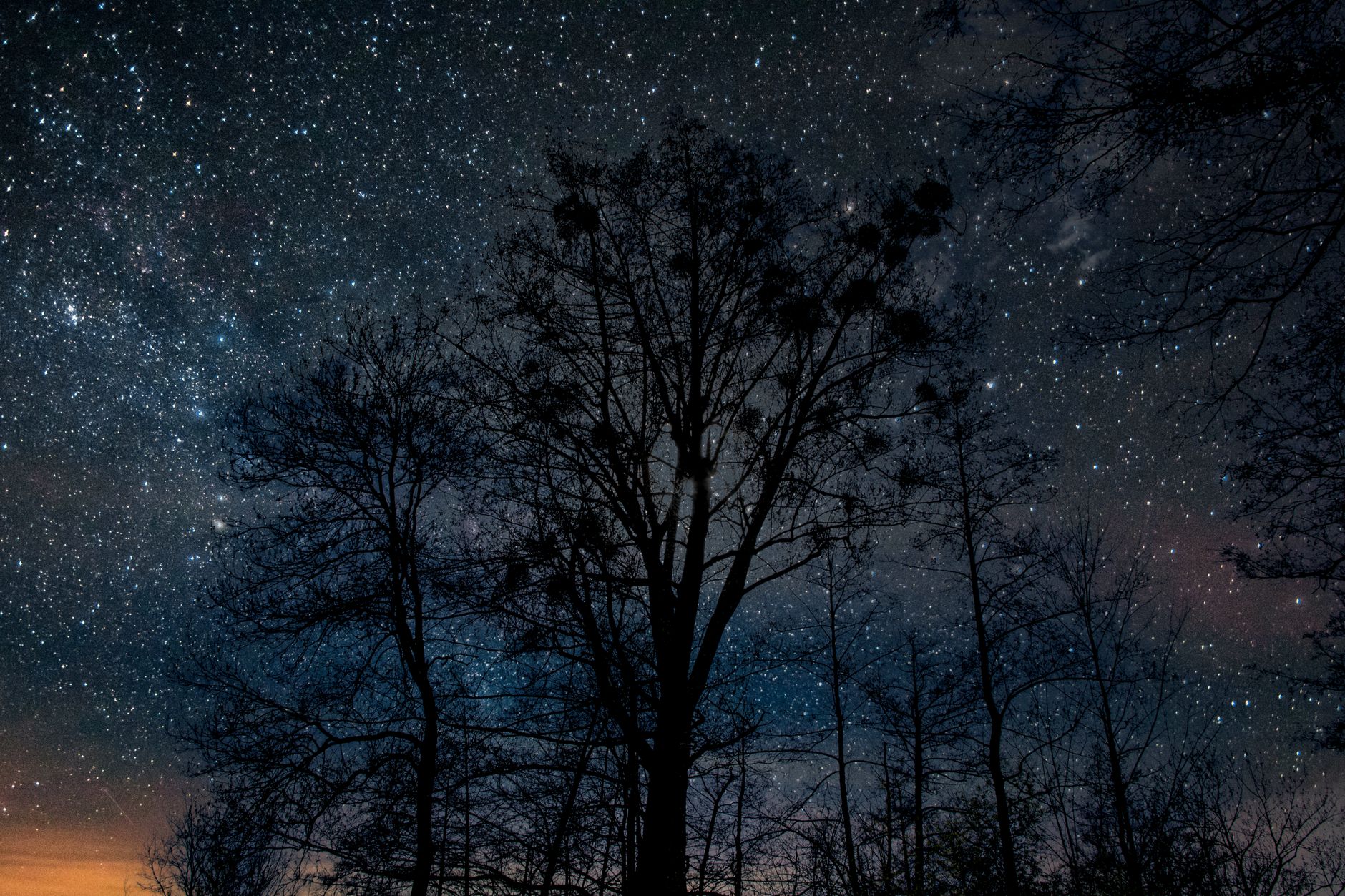
A California startup, Reflect Orbital, is testing giant mirrors in low Earth orbit that can beam sunlight onto the ground after dark. The company’s pilot satellite, Eärendil‑1, carries an 18 × 18 m reflector at roughly 600 km altitude and can create a 2.5 km‑wide patch of daylight on demand. New calculations published in Astrophysical Journal Letters quantify how bright such a beam would appear, showing it would outshine the full Moon by several magnitudes. If the proposed constellation of tens of thousands of mirrors proceeds, the night sky as we know it could be permanently altered.
What happened
Researchers modeled sunlight reflected from a single 54 m mirror, the size envisioned for production units. They found the direct beam would appear at magnitude ‑16.7, roughly four magnitudes brighter than a full Moon, and the scattered glow would remain brighter than moonlight from 14 km away, extending to about 34 km before fading to lunar levels. The diffuse illumination would resemble post‑sunset dusk, washing out all but the brightest stars across a wide swath of sky.
The paper also examined the cumulative effect of multiple mirrors. Running 400 mirrors on the same ground patch would create a near‑continuous daylight dome, and a full constellation of about 50,000 units could illuminate large regions of the planet on a regular schedule, fundamentally altering natural night‑time lighting.
Why it matters
Such artificial daylight promises commercial benefits—continuous solar‑farm operation, emergency lighting for disaster zones, and new revenue streams for space‑based services. Yet the same brightness threatens ecosystems that rely on lunar cycles, disrupts nocturnal wildlife, and erodes the cultural experience of a star‑filled sky. Astronomers warn that even scattered glow from a single mirror would degrade observations, and a full constellation could render large portions of the night sky unusable for research.
- Enables 24‑hour solar‑farm power generation.
- Provides instant illumination for disaster response and remote infrastructure.
- Creates a novel commercial market for space‑based lighting services.
- Severe light pollution that outshines the Moon.
- Disruption of nocturnal wildlife and ecological cycles.
- Loss of dark‑sky conditions essential for astronomy and cultural heritage.
How to think about it
Policymakers should treat orbital lighting as a regulated environmental service, requiring impact assessments before deployment. Astronomers and conservation groups can develop sky‑preservation zones where mirrors are prohibited or limited in intensity. Investors and the company itself need to weigh short‑term revenue against long‑term societal costs, exploring mitigation technologies such as directional control, adaptive scheduling, and spectral filtering to reduce ecological harm.
FAQ
How bright would a single 54‑metre mirror appear compared to the Moon?+
What are the proposed uses for the daylight beams?+
What steps can regulators take to mitigate the impact on astronomy and ecosystems?+
- news·2 min readDarkSky International Announces Virtual “Under One Sky” Conference for Nov 6‑7, 2026
DarkSky International will host a virtual “Under One Sky” conference on Nov 6‑7, 2026, uniting experts to tackle light pollution worldwide.
- news·3 min readAnySignal Provides Full‑Stack Space‑to‑Earth Comms for Reflect Orbital’s Three Missions
AnySignal will supply its USX transceivers and AnyLink software to support Reflect Orbital’s inaugural satellite and two follow‑on missions, streamlining space‑to‑earth communications.
- news·3 min readFCC Greenlights Space Mirror Test to Illuminate Night Sky Amid Astronomer Outcry
The FCC approved a pilot of a giant space mirror to brighten the night sky, sparking astronomer backlash over light pollution and orbital congestion.