NASA and SpaceX evaluate strategies to avoid future lunar upper‑stage impacts
NASA and SpaceX are collaborating on mitigation techniques to prevent accidental lunar upper‑stage collisions as lunar activity expands.
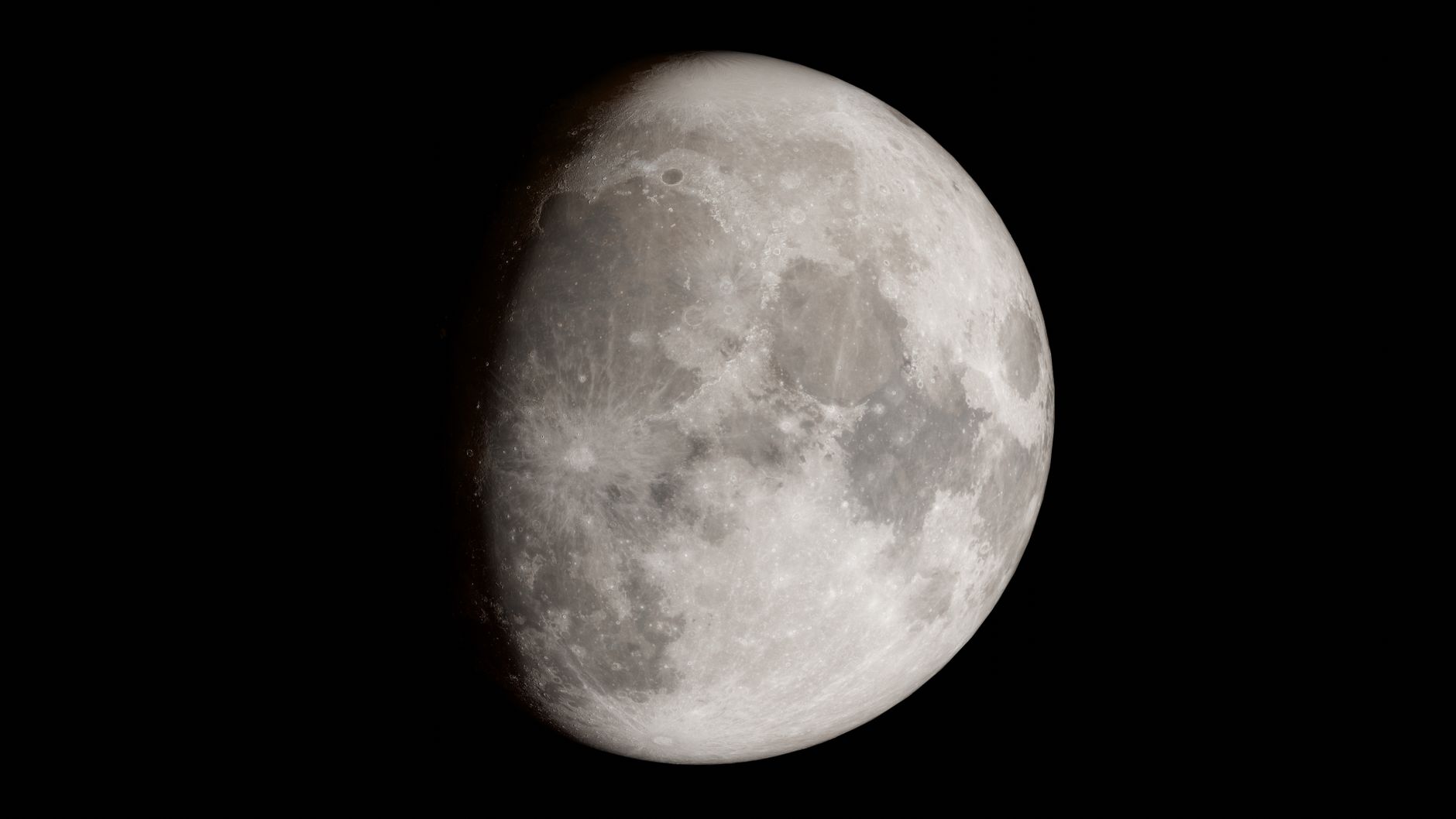
A Falcon 9 upper stage from the January 2025 lunar‑lander launch is on a collision course with the Moon, slated to strike near the Einstein crater on Aug 5, 2026. SpaceX has disclosed that it is working with NASA to explore ways to prevent similar incidents in the future. The impending impact, equivalent to two to three tons of TNT, will likely be invisible to the naked eye but could produce a detectable plume. As lunar exploration accelerates, the event highlights growing concerns over space debris in cislunar space. Understanding how to mitigate such risks is becoming a priority for both agencies.
What happened
The Falcon 9 upper stage that carried Firefly Aerospace and ispace landers entered a trajectory that intersects the Moon’s western limb, with impact predicted for 02:35 a.m. Eastern Time on Aug 5. Astronomer Bill Gray first reported the collision path in April, noting the target area near the Einstein crater. The stage’s kinetic energy is estimated at two to three tons of TNT, insufficient for a visible flash but enough to generate a plume observable by telescopes.
This is not the first intentional or accidental lunar impact. In 2022, a Long March 3B upper stage struck the Moon, creating a double crater, while in 2009 the Centaur stage of an Atlas V was deliberately crashed into Cabeus to study water ice. Apollo‑era Saturn V third stages were also guided to lunar impacts, providing seismic data that helped map the Moon’s interior.
Why it matters
Each accidental impact adds debris to an increasingly congested cislunar environment, raising the risk of collision with future landers, habitats, or scientific assets. While the plume may offer a brief observational opportunity, it does not replace the systematic data gathered from planned impact experiments. As agencies plan sustainable lunar bases, understanding and preventing uncontrolled impacts becomes essential for safety, resource protection, and long‑term operational planning.
- Provides real‑world data on impact dynamics and plume behavior.
- Raises awareness of upper‑stage passivation gaps in high‑energy trajectories.
- Stimulates development of active de‑orbit or capture technologies.
- Creates additional debris that could threaten future missions.
- Unpredictable plumes may contaminate sensitive scientific observations.
- Limited visibility reduces public and scientific benefit from the event.
How to think about it
Mission planners should incorporate mandatory passivation checks for any trajectory that exits low Earth orbit, evaluate active de‑orbit options where mass and fuel budgets allow, and coordinate tracking with international agencies to maintain an up‑to‑date catalog of cislunar objects. Early‑stage design reviews must consider the end‑of‑life scenario for upper stages, balancing mission performance with debris mitigation. Stakeholders can adopt a risk‑assessment framework that grades each launch on potential lunar impact probability and outlines contingency actions.
FAQ
Will the impact be visible from Earth?+
What mitigation methods are being considered?+
How could future lunar missions be affected by such debris?+
- spaceflight·3 min readNASA Confirms Kevlar/PBI Webbing Meets Flammability Standards for Elevated Oxygen Habitats
NASA testing shows a 60% Kevlar/40% PBI webbing passes flammability tests at 37% O₂, supporting its use in lunar and Martian EVA systems.
- news·3 min readNASA ends Draper CLPS lunar lander contract after years of delays
NASA and Draper have mutually terminated the $73 million CLPS lander task order after repeated redesign delays pushing the landing to 2030.
- spaceflight·3 min readSpaceX’s Plan for One Million AI Satellites Could Accelerate Climate Risks
SpaceX plans a million AI satellite data centers, sparking worries about rocket emissions and re‑entry debris worsening climate change.