NASA Career Spotlight: How Teens Ages 14‑18 Can Begin a Mechanic Career
Explore the various roles mechanics play at NASA and the steps teens can take now to start a rewarding career in aerospace maintenance.
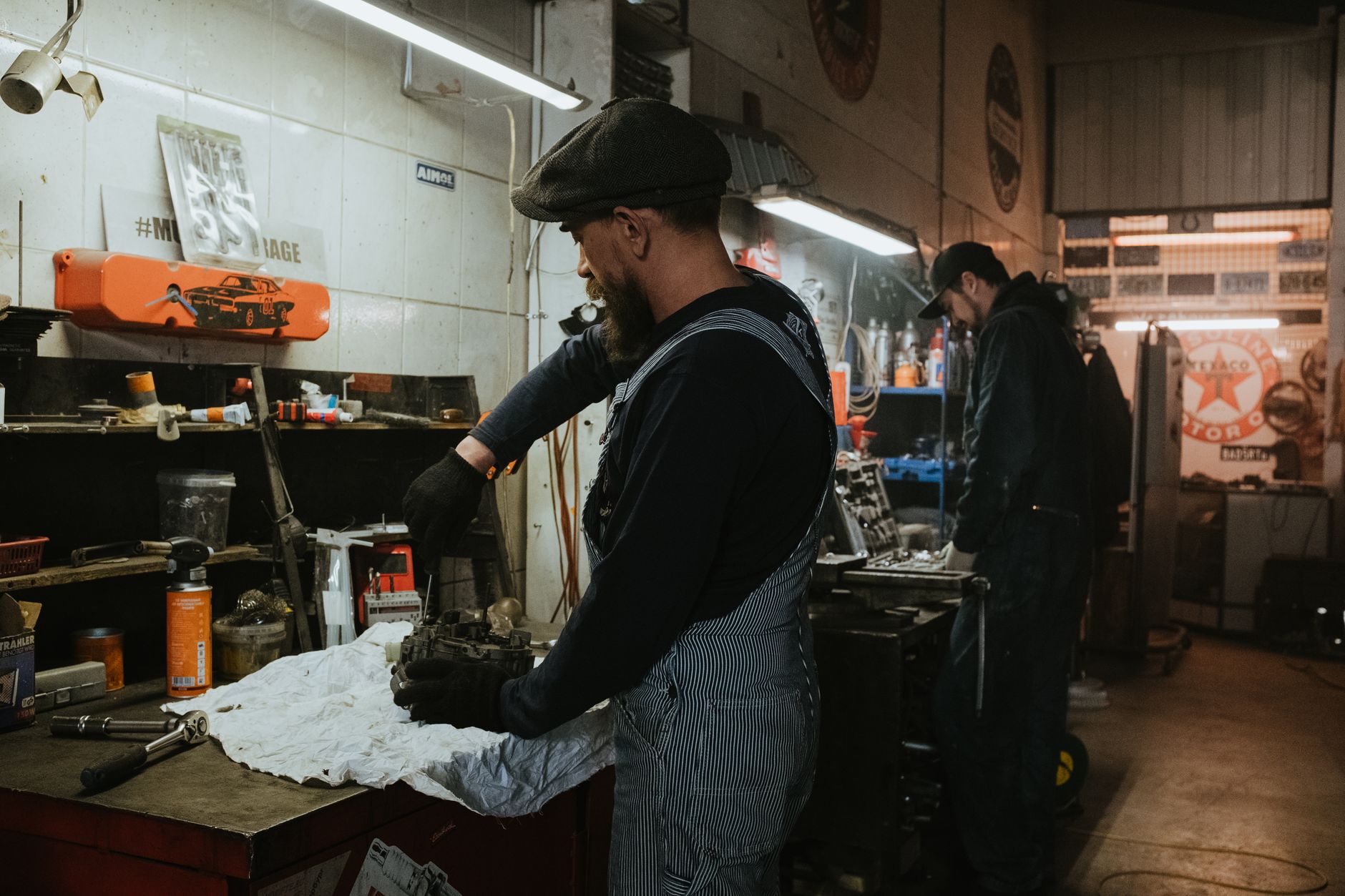
NASA’s Learning Resources just released a new Career Spotlight that shines a light on mechanics for students aged 14‑18. The feature outlines the day‑to‑day work of aerospace, heavy‑equipment, and automotive mechanics across NASA centers such as Armstrong, Kennedy, and Michoud. It also maps out the education and certification routes teens can begin right after high school. Understanding these pathways matters because skilled mechanics keep the rockets, aircraft, and transport vessels that power America’s space program running safely.
What happened
At NASA’s Armstrong Flight Research Center in Edwards, California, aerospace mechanics maintain research planes that test new wing designs and study atmospheric conditions. Over at Kennedy Space Center in Florida, mechanics service the massive crawler‑transporters that carry launch vehicles from the Vehicle Assembly Building to the launch pad. Meanwhile, at the Michoud Assembly Facility in New Orleans, mechanics keep a fleet of barges in top condition, ensuring rocket stages can be moved safely between sites.
Mechanics at NASA come from several trade backgrounds. Automotive mechanics focus on cars and trucks, often entering the field after a high‑school diploma and a technical‑school program. Heavy‑equipment mechanics typically complete a two‑year associate degree or apprenticeship, learning to service large construction and transport machines. NASA also employs specialized aerospace mechanics who receive on‑the‑job training and certifications specific to aircraft and launch‑vehicle hardware.
The agency provides clear pathways for teens: enroll in a high‑school vocational program, pursue certifications such as ASE for automotive work, or attend a community‑college associate program for heavy equipment. Early exposure through internships, summer workshops, or volunteering at local aerospace museums can also build relevant experience.
Why it matters
Mechanics are the backbone of every launch and test flight; without reliable maintenance, missions face delays, cost overruns, or safety hazards. By highlighting these careers early, NASA helps address a growing skills gap in the aerospace sector and encourages a diverse pipeline of young talent. For students, the mechanic track offers a tangible, hands‑on way to contribute to space exploration without requiring a four‑year degree, expanding access to high‑impact STEM jobs.
- High demand for skilled technicians across NASA facilities.
- Direct impact on mission safety and success.
- Clear certification and apprenticeship pathways.
- Physically demanding and often requires shift work.
- Continuous safety training and strict compliance requirements.
- Potential for irregular hours during launch windows.
How to think about it
Start by researching local trade schools or community‑college programs that offer automotive or heavy‑equipment certifications. Pair classroom learning with hands‑on experience through part‑time jobs, school workshops, or youth robotics clubs that involve mechanical assemblies. Build a portfolio of completed projects—restored engines, repaired tools, or documented maintenance logs—to demonstrate competence. When you’re ready, look for NASA‑affiliated internships or summer programs that provide exposure to aerospace hardware. Finally, keep certifications current and consider joining professional societies such as the Society of Automotive Engineers to stay connected to industry standards.
FAQ
What education do I need to become a NASA mechanic?+
Can I start gaining relevant experience while still in high school?+
What are the typical career advancement opportunities for NASA mechanics?+
- news·3 min readNASA’s MAX POWER Expo Showcases Lunar Plans, Astronaut Recruitment, and $1M Moon Base Challenge
NASA’s first MAX POWER exhibition at Kennedy Space Center highlighted Artemis II, opened astronaut applications, and launched a $1 million Moon Base student contest.
- news·3 min readNASA Appoints Troy Asher as Director of Armstrong Flight Research Center
NASA names veteran test pilot Troy Asher director of the Armstrong Flight Research Center, steering the agency’s X‑plane revival.
- explainers·3 min readNASA's Hybrid Starshade Concept Aims to Directly Image Earth‑Sized Exoplanets Within 20 Light‑Years
A NASA‑led team proposes a hybrid telescope using an orbital starshade and ground‑based ELTs to directly image rocky planets within 20 light‑years.