NASA’s CLPS Program to Add New Lunar Orbiter and Two Landers by Year‑End
NASA’s Commercial Lunar Payload Services program will add a new lunar orbiter and two landers by year‑end, extending moon mapping as LRO ages.
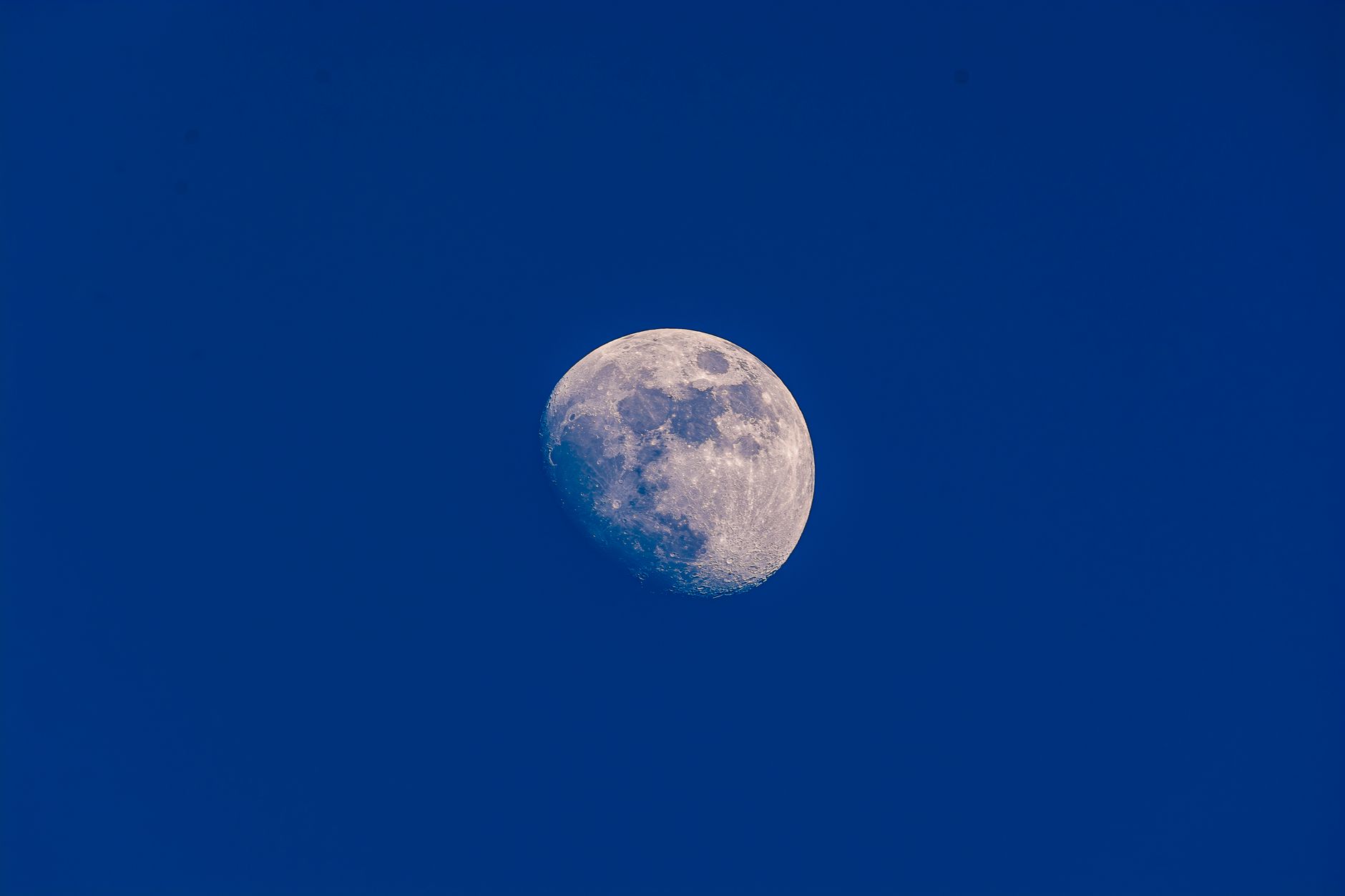
The Commercial Lunar Payload Services (CLPS) program is poised for a busy finish to 2026, with NASA signaling three additional task orders before the year closes. Executives from Firefly Aerospace and Intuitive Machines told investors that two of those orders will fund new lander missions, while the third will fund an "orbiter imaging service" to succeed the aging Lunar Reconnaissance Orbiter (LRO). The prospect of a next‑generation orbiter matters because LRO, launched in 2009, has been the workhorse for high‑resolution lunar imaging and is only slated to operate through 2028. Replacing it now would keep a continuous stream of data for science and future crewed missions. Commercial partners are already positioning themselves to deliver the successor, underscoring the growing role of private industry in sustained lunar exploration.
What happened
In earnings calls on Aug. 12 and Aug. 14, Firefly Aerospace’s CEO Jason Kim and Intuitive Machines’ CEO Steve Altemus each confirmed that NASA expects to issue three more CLPS task orders by the end of 2026. Two of those orders will fund lander missions, continuing the trend that landers have comprised the bulk of CLPS work since the program’s inception in 2019. The third order is described as an "orbiter imaging service," intended to map the lunar surface in place of the LRO.
The LRO, launched in 2009 as part of the Vision for Space Exploration, still provides high‑resolution camera data and a suite of scientific instruments. Although it remains functional, the spacecraft is aging, and a 2022 Lunar Exploration Analysis Group report called for a next‑generation, long‑lived orbiter with modern instruments. NASA has not publicly detailed how it will develop that successor, nor has it released a source‑selection statement for the upcoming task orders.
Why it matters
A new orbiter would preserve the continuity of lunar cartography, which is essential for both scientific research and the navigation of future lander and crewed missions. Commercial delivery of the orbiter could accelerate development timelines and reduce costs compared with a traditional NASA‑led build. Moreover, the data stream from a modern orbiter would likely include updated spectral, topographic, and radiation measurements, enriching the dataset that planners rely on for site selection and hazard assessment.
- Ensures uninterrupted high‑resolution lunar imaging after LRO retirement.
- Leverages commercial innovation and potentially lower development costs.
- Provides modern instruments that can support upcoming crewed Artemis missions.
- NASA has not disclosed selection criteria, creating uncertainty for stakeholders.
- Reliance on commercial providers may introduce schedule risk if contracts shift.
- Funding allocations for the orbiter could compete with other lunar science priorities.
How to think about it
For researchers, the best approach is to align upcoming proposals with the capabilities a next‑generation orbiter is likely to offer—high‑resolution imaging, multispectral analysis, and radiation monitoring. Policy makers should monitor the CLPS award timeline and consider how the orbiter’s data products can be integrated into Artemis landing site selection workflows. Industry participants can use the pending task orders as a signal to refine their lunar payload designs and to engage early with NASA’s procurement offices.
FAQ
When is the new lunar orbiter expected to launch?+
Which companies are likely to win the orbiter task order?+
How will the replacement orbiter differ from LRO?+
- news·3 min readNASA Announces $10 B Moon Base Contracts, New CLPS 2 Partners and PROMISE Rover
NASA awarded eight companies under the CLPS 2 contract and approved a nuclear‑powered rover, boosting Moon Base infrastructure toward a sustained South Pole presence.
- news·3 min readNASA ends Draper CLPS lunar lander contract after years of delays
NASA and Draper have mutually terminated the $73 million CLPS lander task order after repeated redesign delays pushing the landing to 2030.
- explainers·4 min readAmerica's 250-Year Space Journey: From 1776's Night Sky to Lunar Returns
As the U.S. marks its 250th anniversary, explore how American space endeavors have evolved since 1776, from early sky observations to leading global spaceflight and future lunar missions.