Lunar Interior Holds Chemically Bound Water, New Analyses Reveal Deep Hydration
New high‑precision analyses of Apollo samples show most lunar water is locked in minerals deep inside the Moon, reshaping ideas of its formation.
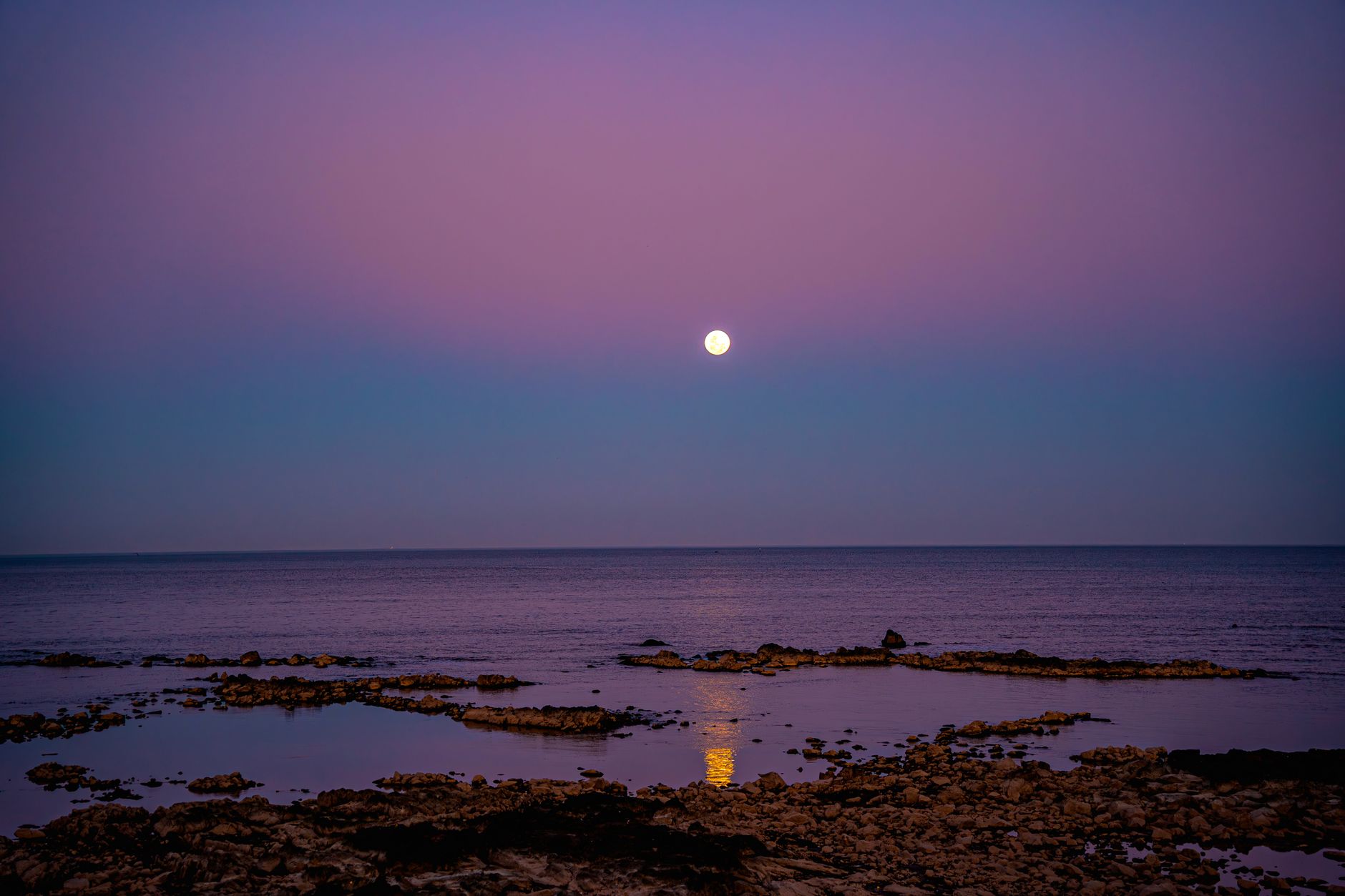
The Moon has long been thought to be almost completely dry, a view cemented by early Apollo rock analyses. Recent high‑precision laboratory work, however, has uncovered abundant hydroxyl and apatite minerals that trap water deep within the lunar mantle. This chemically bound water is not the surface ice once hoped for by colonists, but it offers a hidden record of the Moon’s early history. Understanding this hidden reservoir reshapes models of how the Earth‑Moon system acquired its water billions of years ago.
What happened
Decades of re‑examining Apollo samples with ultra‑sensitive instruments revealed measurable amounts of hydroxyl (OH) and the hydrous mineral apatite. These findings, first reported in a 2010 Earth, Moon and Planets paper, show that water is structurally incorporated into the crystal lattices of lunar rocks rather than existing as free liquid or ice.
The detection of apatite—tiny mineral grains capable of holding water—demonstrates that the Moon retained a significant water budget after the giant impact that formed it. The water is distributed throughout the mantle and crust, locked in mineral structures that survived the Moon’s violent early history.
Why it matters
If the Moon’s interior harbors chemically bound water, it provides a direct clue to the amount of water present in the Earth‑Moon system shortly after the giant impact 4.5 billion years ago. This challenges the classic view of a completely anhydrous Moon and forces revisions to planetary‑formation models. For future explorers, the presence of bound water suggests a potential, albeit technically demanding, source of hydrogen and oxygen for life‑support and fuel, but it also means that extraction will require mineral processing rather than simple ice mining.
- Offers a new window into the early Earth‑Moon water budget.
- Supports theories that water can survive giant impacts.
- Provides a potential, though deep, resource for future lunar habitats.
- Water is chemically bound, making extraction energy‑intensive.
- Distribution is poorly mapped; most data come from limited Apollo sites.
- Bound water does not address immediate needs for surface ice.
How to think about it
When evaluating lunar water, separate it into three categories: surface ice in permanently shadowed craters, adsorbed water on regolith grains, and chemically bound water within minerals. The latter requires mineral‑processing techniques—such as high‑temperature reduction—to release hydrogen and oxygen. Mission planners should treat bound water as a long‑term resource, useful for sustained presence rather than quick‑start operations. Mapping mineralogy at depth will be essential to locate the richest deposits.
FAQ
Is there any liquid water on the Moon?+
How does bound water affect plans for lunar bases?+
What techniques revealed the hidden water in Apollo samples?+
- astronomy·2 min readZhurong data reveal standing liquid water on Mars much more recently than thought
Zhurong rover data reveal selenite crystals that point to standing liquid water on Mars much later than the 3‑billion‑year freeze.
- astronomy·3 min readReanalysis of Spirit Rover Data Reveals Widespread Hematite, Suggesting Vast Ancient Martian Water
A new synthesis of Spirit rover Mössbauer measurements uncovers widespread hematite and altered magnetite, indicating far more ancient water on Mars than previously thought.
- astronomy·3 min readChang'e-6 Samples Show Earth's Magnetosphere Slows Solar Wind on Moon's Near Side
Analysis of Chang'e-6 lunar regolith reveals Earth's magnetosphere reduces solar‑wind speed on the Moon's near side, leaving distinct noble‑gas signatures.