Knicks Trade 2026 First-Round Pick for Future Draft Capital and Cash Considerations
The reigning champion New York Knicks opted out of the 2026 NBA Draft's first round, acquiring multiple future second-round picks and cash in a four-team trade. This strategic move prioritizes…
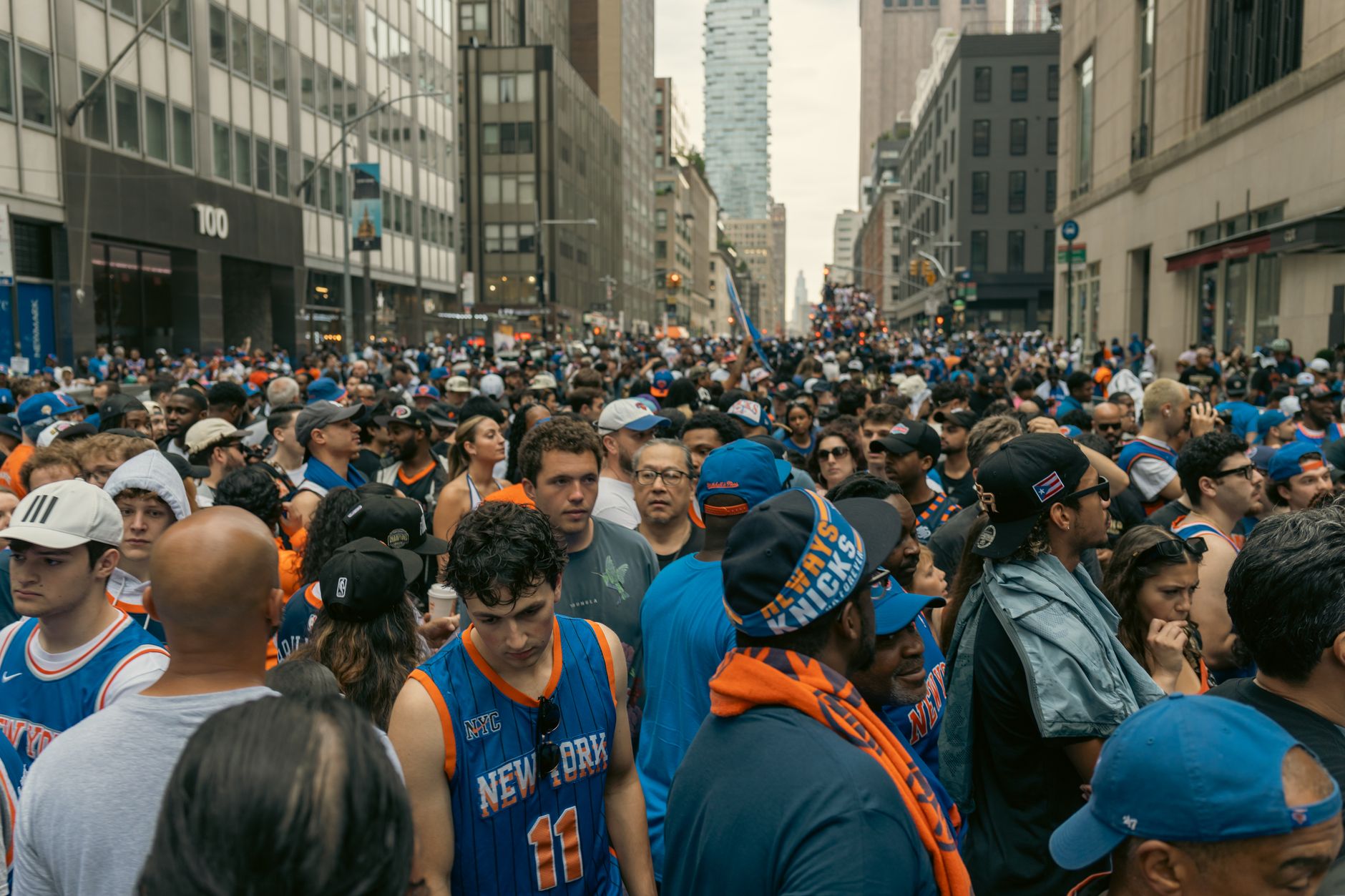
Fresh off their first NBA championship in 53 years, the New York Knicks made a significant strategic move during the 2026 NBA Draft, opting to trade out of the first round entirely. This decision saw them acquire a package of multiple future second-round picks and cash considerations through a complex four-team deal involving the Los Angeles Lakers, Phoenix Suns, and Dallas Mavericks. Rather than selecting a single talent at No. 24 overall, the Knicks' front office signaled a clear intent to prioritize long-term asset accumulation and financial flexibility, a calculated approach to sustaining their championship window.
What happened
The New York Knicks, having just secured their first NBA championship in over five decades, decided against making a selection with their No. 24 overall pick in the 2026 NBA Draft. This pick, which was used to select Cameron Carr, was reportedly rerouted to the Los Angeles Lakers as part of a larger, intricate four-team trade that also included the Phoenix Suns and Dallas Mavericks.
In exchange for their first-round selection, the Knicks significantly bolstered their future draft capital and financial resources. The team acquired two future second-round picks from the Phoenix Suns, two additional future second-round picks from the Dallas Mavericks, and cash considerations from the Los Angeles Lakers. Furthermore, the Knicks also secured the draft rights to Melvin Ajinça, who was the No. 51 pick in the 2024 NBA Draft.
Why it matters
This move by the reigning champions is a strong indicator of a franchise focused on sustainable success and depth rather than immediate, potentially marginal, roster additions. By accumulating multiple future second-round picks, the Knicks gain valuable flexibility, which can be leveraged for future trades to acquire established talent or to take multiple swings at finding developmental players in later rounds without the pressure associated with a higher draft pick.
The inclusion of cash considerations further enhances the team's financial maneuverability, allowing them to potentially offset luxury tax implications or facilitate other minor transactions that support the overall roster. This strategic decision showcases a confident front office, comfortable with their current championship core, and committed to optimizing resources to maintain their competitive edge for years to come, rather than simply adding another rookie to an already successful lineup.
- Accumulates valuable future draft capital for potential trades or future player development.
- Provides financial flexibility through cash considerations, aiding in roster management.
- Avoids adding another rookie to an already championship-caliber roster, maintaining team chemistry and roles.
- Misses the immediate opportunity to add a potentially impactful first-round talent.
- Future second-round picks generally have a lower success rate compared to first-round selections.
- May be perceived by some fans as not maximizing the immediate opportunity to strengthen the team.
How to think about it
This trade should be viewed as a strategic chess move by a successful franchise. Instead of chasing immediate gratification with a mid-to-late first-round pick, the Knicks are banking on the cumulative value of multiple future assets. This approach allows them to either package these picks for a more significant trade down the line, or to take multiple swings at finding hidden gems in later rounds. It's a calculated decision that prioritizes long-term roster health and flexibility over a single, potentially marginal, rookie addition. For a team that just won a championship, this move signals confidence in their current core and a sophisticated understanding of how to build and sustain a winning culture through asset management.
FAQ
Why would a championship team trade out of the first round?+
What did the Knicks receive in return for their No. 24 pick?+
How does this trade impact the Knicks' future?+
- news·4 min readOklahoma City Thunder Trades Sharpshooter Isaiah Joe to Detroit Pistons for Draft Picks
The Oklahoma City Thunder have reportedly traded guard Isaiah Joe to the Detroit Pistons for two second-round draft picks. This move reshapes both teams' rosters and future draft capital.
- news·3 min readCommunity College Instructors Revamp OpenStax Astronomy Textbook with NASA Active‑Learning Resources
NASA’s SciAct program helped community college instructors transform the OpenStax Astronomy 101 textbook into an active‑learning experience for Fall 2026.
- news·2 min readRocket Lab shares rebound in August after steep September decline
After a sharp drop in September, Rocket Lab's stock surged in August, highlighting volatile market dynamics for small launch providers.