James Webb Telescope Detects Unexpected Water Vapor in Distant Exoplanet Atmosphere
New JWST observations reveal water vapor on a far‑off exoplanet, reshaping ideas of habitability.
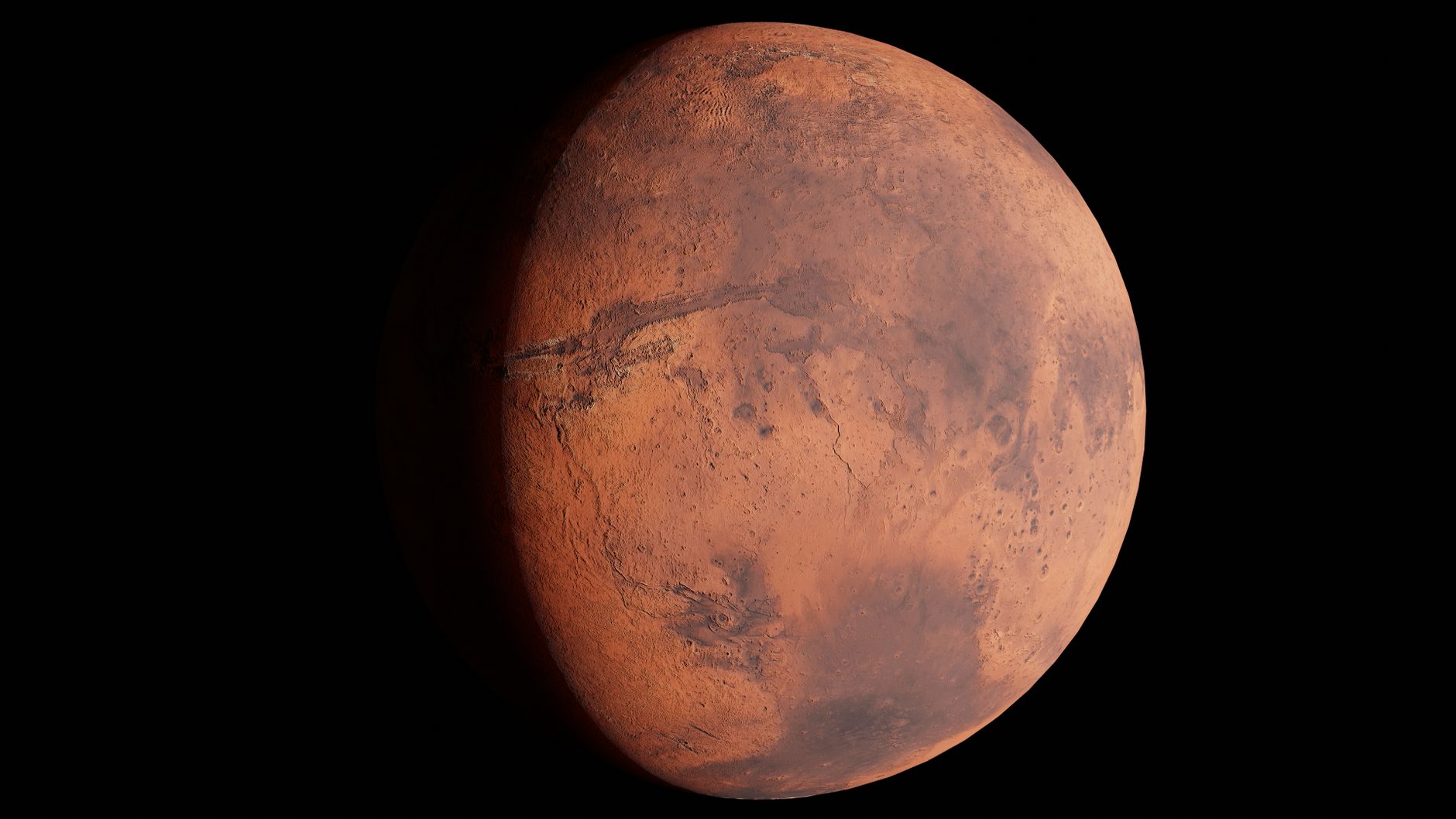
The James Webb Space Telescope has just reported the detection of water vapor in the atmosphere of a distant exoplanet. This discovery emerged from a series of infrared spectroscopic measurements taken during the telescope’s latest observation cycle. Researchers say the finding challenges existing models of where liquid water can exist beyond our solar system. Understanding atmospheric composition on such worlds is essential for assessing their potential to host life.
What happened
Scientists used JWST’s near‑infrared spectrograph to analyze starlight filtered through the planet’s atmosphere during transit. The resulting spectrum showed clear absorption features consistent with water vapor, a signature that had been elusive for planets of this size and temperature. The team confirmed the signal by comparing multiple observations and ruling out instrumental artifacts.
Why it matters
Finding water vapor on a planet far from its star suggests that atmospheric processes can retain volatiles under a broader set of conditions than previously thought. This insight influences how astronomers prioritize targets for future habitability studies and informs theoretical models of planetary formation and evolution. It also underscores JWST’s role as a transformative tool for exoplanet science.
- Provides direct evidence of water in a new class of exoplanets.
- Validates JWST’s spectroscopic capabilities for atmospheric studies.
- Guides future observations toward a wider variety of potentially habitable worlds.
- Atmospheric composition remains uncertain without complementary data.
- Signal strength is modest, requiring careful analysis to avoid false positives.
- Interpretation depends on models that may need refinement.
How to think about it
When evaluating exoplanet habitability, consider atmospheric composition alongside orbital distance and stellar type. Water vapor alone does not guarantee a life‑supporting environment, but it is a key ingredient that narrows the field of promising candidates. Use JWST detections as a first filter, then apply follow‑up observations—such as high‑resolution spectroscopy or direct imaging—to build a more complete picture of each planet’s climate.
FAQ
What does the water‑vapor detection tell us about the planet’s surface?+
How reliable is JWST’s spectroscopic data for identifying gases?+
Will this discovery affect the search for life beyond Earth?+
- astronomy·3 min readFaintest Exoplanet Ever Seen from Earth Discovered After 10-Year Search
Astronomers spot faintest exoplanet, Beta Pictoris d, after a decade-long search. It's 100 times fainter than sibling Beta Pictoris b.
- astronomy·4 min readAstronomers Discover Two Jupiter-Sized 'Super-Puff' Exoplanets Lighter Than Cotton Candy
Astronomers have identified two new 'super-puff' exoplanets, each the size of Jupiter but with a density lighter than cotton candy. This rare discovery challenges planet formation theories.
- astronomy·4 min readAstronomers Uncover Nearby Super-Earth Exoplanet with Promising Habitability Indicators
A newly discovered super-Earth exoplanet, TOI-700 e, orbits within its star's habitable zone, showing potential for liquid water. This finding boosts the search for extraterrestrial life.