JWST Reveals Stunning New View of the Lion’s Head Nebula (NGC 2392)
JWST’s NIRCam and MIRI capture a detailed image of planetary nebula NGC 2392, revealing how a Sun‑like star’s death shapes gas and dust.
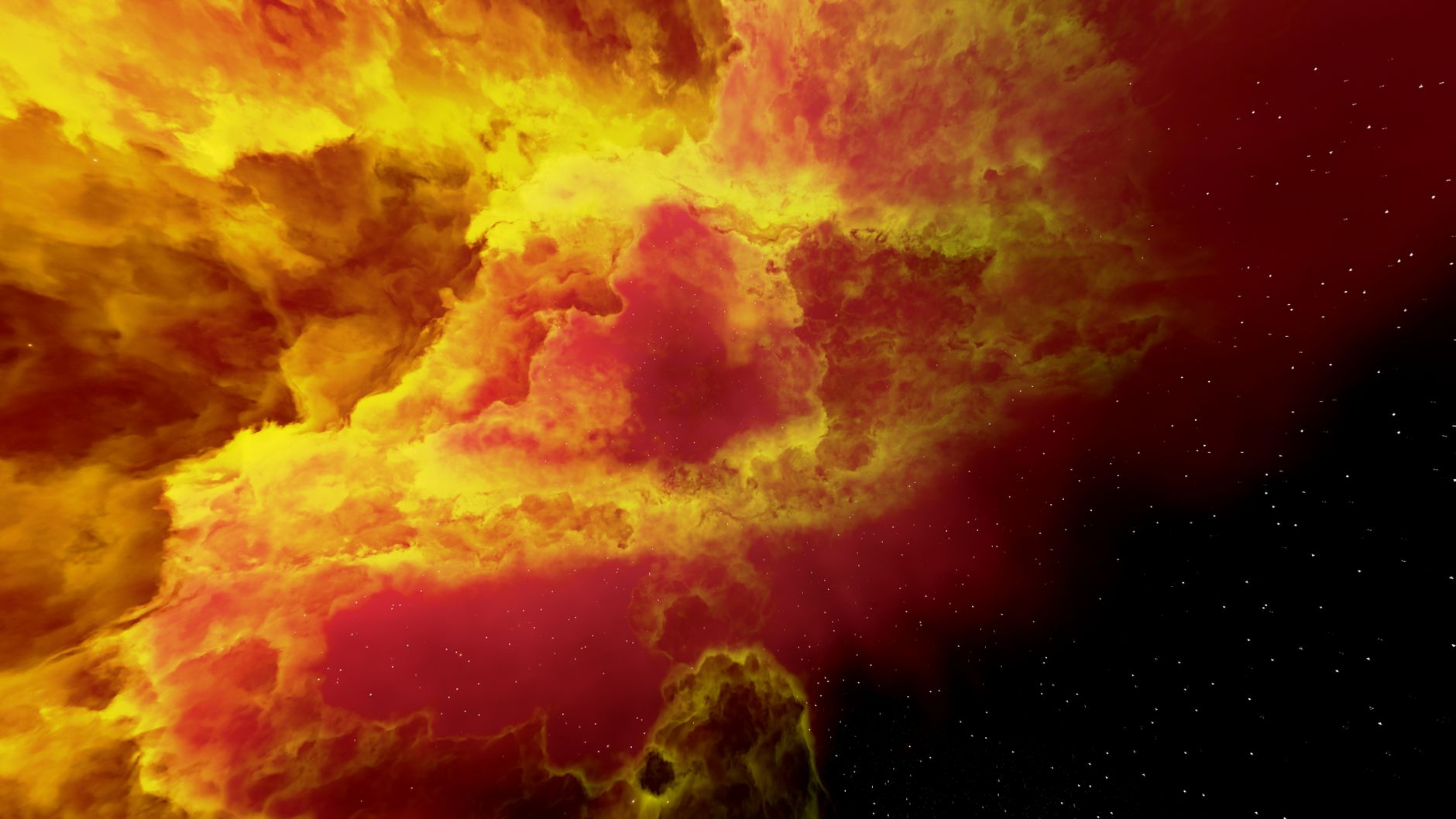
The James Webb Space Telescope has delivered a breathtaking new composite image of the Lion’s Head Nebula (NGC 2392). Using its NIRCam and MIRI instruments, JWST captured infrared and mid‑infrared light that reveals the nebula’s intricate gas and dust structures. This planetary nebula marks the final stage of a Sun‑like star, offering a close‑up view of stellar death. The image not only dazzles the eye but also provides fresh clues about how white‑dwarf radiation sculpts surrounding material. Understanding this process helps astronomers refine models of planetary‑nebula evolution.
What happened
On August 26, 2026, JWST’s Near‑Infrared Camera (NIRCam) and Mid‑Infrared Instrument (MIRI) combined data to produce a high‑resolution composite of NGC 2392. The image highlights a bright central white dwarf, ionized gas forming the lion’s face, and dense dust clumps that survive the intense radiation.
The nebula’s outer shell appears as a turbulent bubble, while the inner “mane” shows filaments illuminated by ultraviolet photons from the white dwarf. These features are far clearer than in previous Hubble or ground‑based observations, thanks to JWST’s sensitivity at longer wavelengths.
Why it matters
Seeing the Lion’s Head Nebula in infrared reveals how high‑energy photons from the white dwarf interact with expelled material, driving ionization fronts and shaping dust structures. This insight refines theoretical models of planetary‑nebula evolution, informs predictions for the future of our own Sun, and demonstrates JWST’s power to probe stellar remnants that are opaque at visible wavelengths.
- Uncovers fine dust filaments hidden from optical telescopes.
- Provides empirical data to test stellar‑death simulations.
- Showcases JWST’s combined NIRCam/MIRI imaging capability.
- Represents a single epoch; temporal changes remain unknown.
- Infrared mapping uses false‑color palettes that can mislead casual viewers.
- Interpretation still depends on model assumptions about gas chemistry.
How to think about it
When examining infrared nebula images, start by identifying the central source, then trace the ionization fronts outward to see how radiation shapes surrounding material. Compare the JWST view with older optical images to spot new structures that only appear at longer wavelengths. Use the color legend provided by the image team to remember that each hue corresponds to a specific wavelength band, not to visible colors.
FAQ
What does the bright spot in the center represent?+
Why are the colors in the image so vivid?+
Can this image tell us how long the nebula will last?+
- astronomy·2 min readFirst Direct Observation of a Star Engulfing Its Companion in Andromeda
Astronomers captured a red giant swallowing a companion star, confirming theories about stellar mergers.
- astronomy·3 min readJWST uncovers warped architecture in TW Hydrae’s nearby protoplanetary disk
JWST’s NIRCam images reveal a subtle warp in the TW Hydrae protoplanetary disk, hinting at dynamic processes shaping planet formation.
- astronomy·4 min readJWST Captures Infant Stars' Energetic Outflows in FS Tau Region, Revealing Episodic Growth
The James Webb Space Telescope has unveiled stunning details of infant stars in the FS Tau region, showing energetic outflows and episodic accretion. This new image provides critical insights into…