July 2026 Report: Long‑Lived Exoplanet Atmospheres, Extended Star Birth, and a Quieter Galactic Black Hole
July 2026 findings show exoplanet atmospheres lasting billions of years, star formation persisting longer, and a less ravenous galactic black hole.
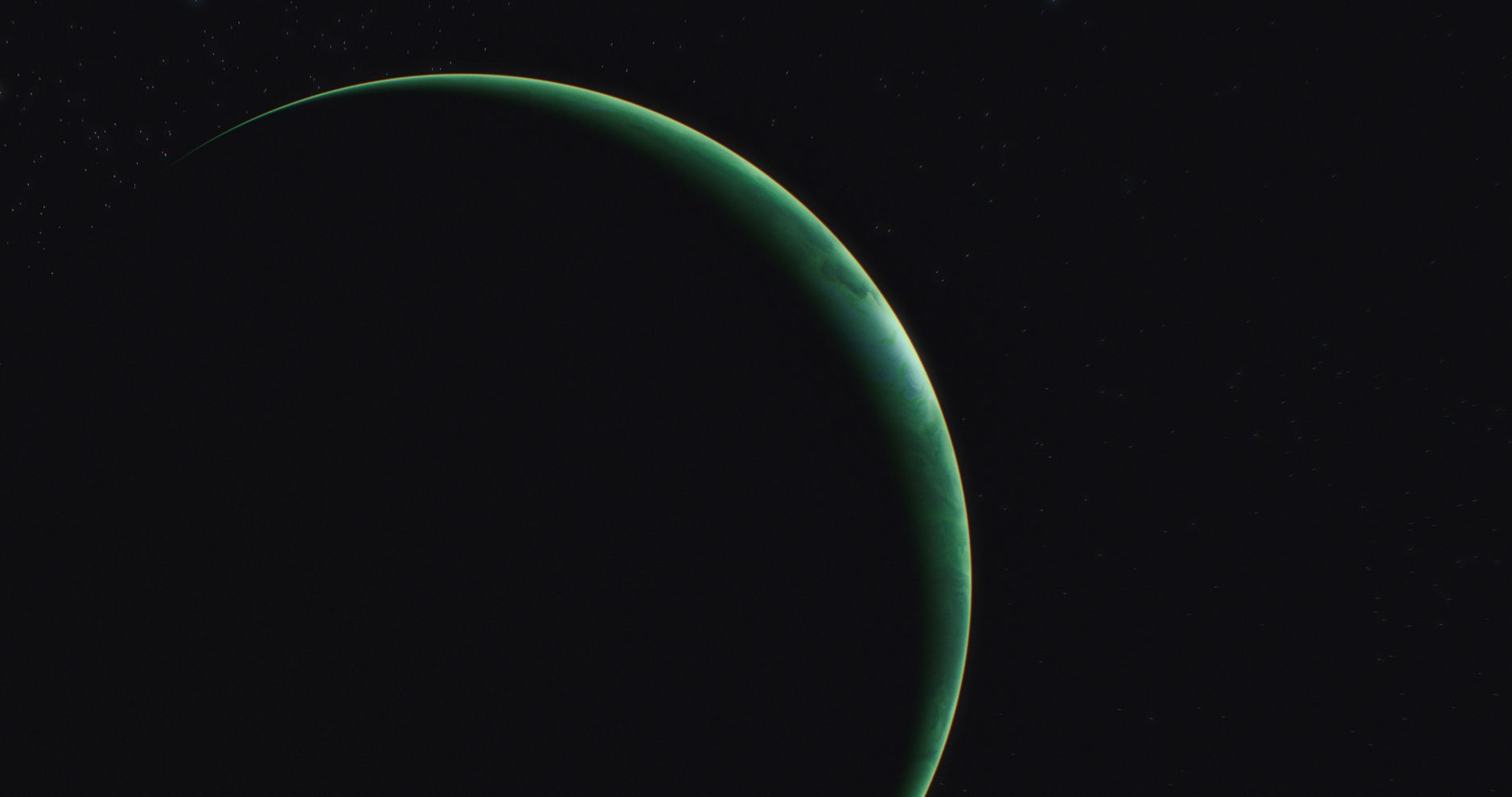
July 2026’s Hope Report packed a punch for astronomers, unveiling an exoplanet that has retained its atmosphere for three billion years, star‑forming regions that linger millions of years longer than expected, and a supermassive black hole that appears less voracious than textbook models suggest. These findings ripple across planetary science, stellar evolution, and galactic dynamics, challenging assumptions that have guided research for decades. For anyone tracking the frontier of cosmic discovery, the month signals a shift toward a more resilient and nuanced universe.
What happened
Astronomers using a combination of transit spectroscopy and long‑baseline observations identified a rocky exoplanet whose atmosphere has persisted for roughly three billion years, far exceeding prior models that treated small‑world atmospheres as fragile and short‑lived. This durability expands the window of habitability for similar worlds and prompts a re‑examination of atmospheric loss mechanisms.
At the same time, the James Webb Space Telescope captured infrared signatures of protostellar clouds that indicate star formation can continue for millions of years longer than earlier estimates. Parallel observations of the Milky Way’s central supermassive black hole revealed it is not actively accreting nearby dust clouds, contradicting the prevailing view of the black hole as a relentless cosmic shredder.
Why it matters
If atmospheres can endure on rocky planets for billions of years, the pool of potentially life‑supporting worlds widens dramatically, influencing target selection for upcoming biosignature missions. Prolonged star‑formation phases affect models of galaxy evolution, suggesting that stellar nurseries may contribute to chemical enrichment over extended periods. A less aggressive black hole alters predictions of energy feedback into the galactic core, which can reshape theories about star‑formation suppression and central bulge growth.
- Increases optimism for finding long‑lived habitable exoplanets.
- Refines timelines for stellar evolution and galaxy formation models.
- Offers a calmer picture of black‑hole influence on surrounding matter.
- Current data are limited to a handful of objects; broader surveys are needed.
- Extended star‑formation periods may complicate existing age‑dating techniques.
- Revised black‑hole behavior challenges long‑standing theoretical frameworks.
How to think about it
Treat these July findings as a reminder to keep models flexible. When evaluating exoplanet habitability, factor in atmospheric retention as a variable rather than a fixed constraint. In stellar population studies, allow for longer accretion phases and adjust age estimates accordingly. For galactic‑center research, incorporate the possibility of intermittent or low‑accretion states in black‑hole simulations.
FAQ
What evidence supports the three‑billion‑year atmospheric lifespan?+
How does longer star formation affect estimates of galaxy age?+
Why does a quieter black hole matter for future observations?+
- astrophysics·4 min readWebb Telescope Unveils Surprising Chemical Signatures in Distant Exoplanet Atmospheres
Recent data from the James Webb Space Telescope is revealing unexpected chemical compositions in exoplanet atmospheres. This groundbreaking research offers new clues about planetary formation and…
- astronomy·4 min readUnveiling the Secrets of Exoplanet Atmospheres with Next-Generation Telescopes
Explore how advanced telescopes are revolutionizing our understanding of exoplanet atmospheres, revealing insights into their composition and potential for life.
- astronomy·4 min readAstronomers Uncover a Novel Class of Exoplanets Exhibiting Peculiar Atmospheric Signatures
Scientists have identified a new category of exoplanets displaying unexpected atmospheric compositions. This discovery challenges current planet formation models and opens new avenues for…