James Webb Telescope Reveals Unexpected Water Vapor in Distant Exoplanet Atmosphere
James Webb Telescope detects water vapor in a far‑off exoplanet, reshaping ideas about habitability.
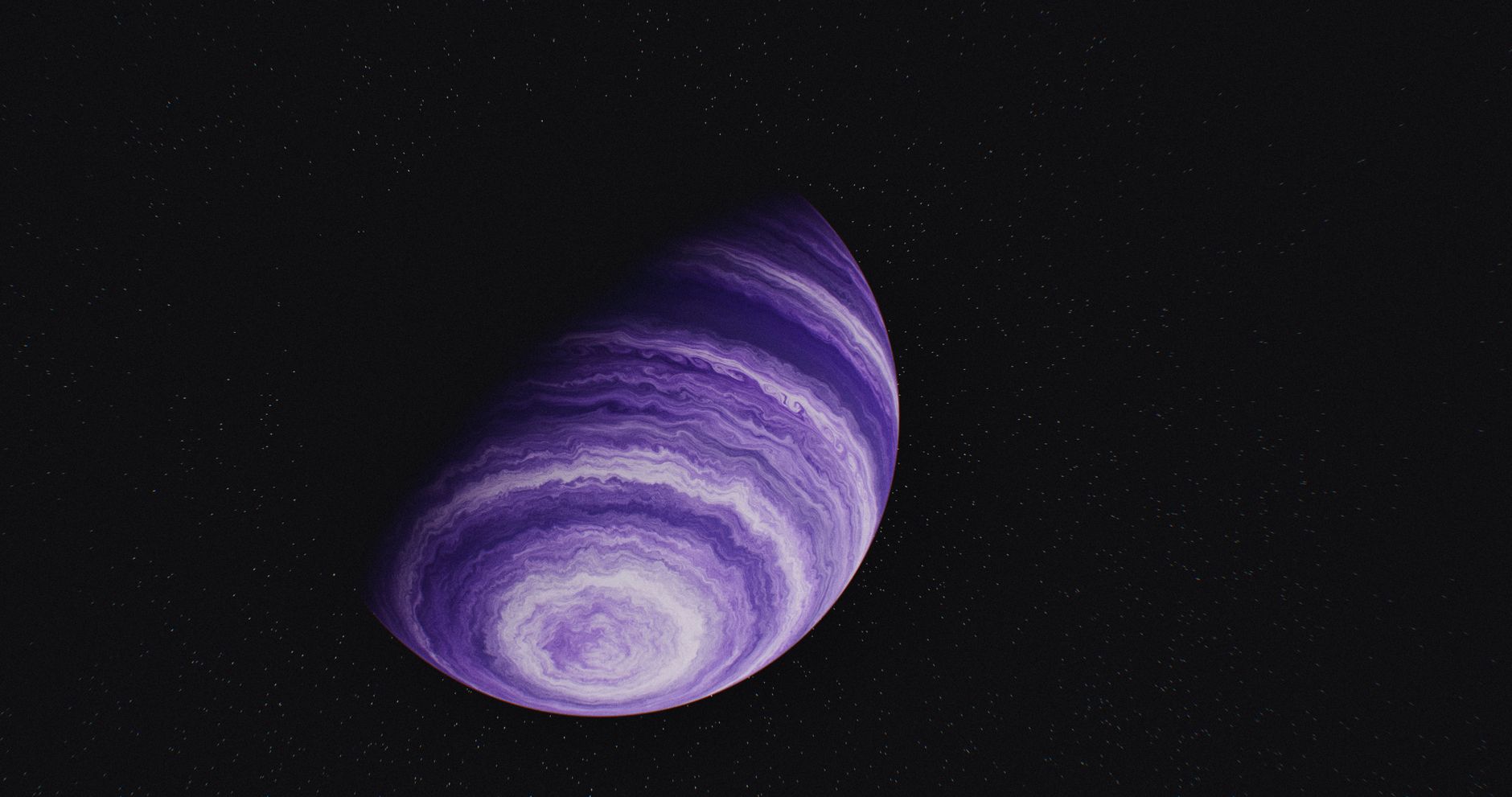
The James Webb Space Telescope has just identified water vapor in the atmosphere of a distant exoplanet. This discovery came from a recent spectroscopic observation targeting a planet orbiting a sun‑like star. Detecting such a key ingredient expands the search for potentially habitable worlds beyond our solar system.
What happened
Using the NIRSpec instrument, JWST captured the planet’s transmission spectrum as it passed in front of its host star. The data revealed absorption features consistent with water vapor, marking one of the clearest signatures of this molecule in an exoplanet atmosphere to date.
The planet lies several hundred light‑years from Earth, orbiting within the temperate zone of its star. The observation was part of a broader survey aimed at characterizing the atmospheres of small, rocky worlds.
Why it matters
Finding water vapor on a distant world challenges assumptions that such molecules are rare beyond the solar system. It informs models of planetary formation and guides future missions seeking biosignatures.
- Provides direct evidence of key habitability ingredient.
- Validates JWST’s capability for detailed atmospheric studies.
- Guides target selection for upcoming missions.
- Atmospheric signals remain faint and require careful interpretation.
- Single detection does not confirm surface conditions.
- Observations limited to bright, nearby host stars.
How to think about it
When evaluating exoplanet habitability, consider atmospheric composition, stellar radiation, and orbital context together rather than relying on any single factor.
FAQ
How does JWST detect water vapor in exoplanet atmospheres?+
What does this detection mean for the search for life?+
Will future telescopes improve on these observations?+
- astronomy·2 min readJames Webb Telescope Detects Unexpected Water Vapor in Distant Exoplanet Atmosphere
New JWST observations reveal water vapor on a far‑off exoplanet, reshaping ideas of habitability.
- astronomy·2 min readJames Webb Telescope Finds Unexpected Water Vapor in Distant Exoplanet Atmosphere
James Webb discovers water vapor in a far‑off exoplanet, reshaping ideas about habitability beyond our solar system.
- astronomy·3 min readFaintest Exoplanet Ever Seen from Earth Discovered After 10-Year Search
Astronomers spot faintest exoplanet, Beta Pictoris d, after a decade-long search. It's 100 times fainter than sibling Beta Pictoris b.