What to Expect at Each of the Five Stages of the August 12, 2026 Total Solar Eclipse
Learn the five key phases of the August 12, 2026 total solar eclipse, from first contact to the end of totality, and why they matter.
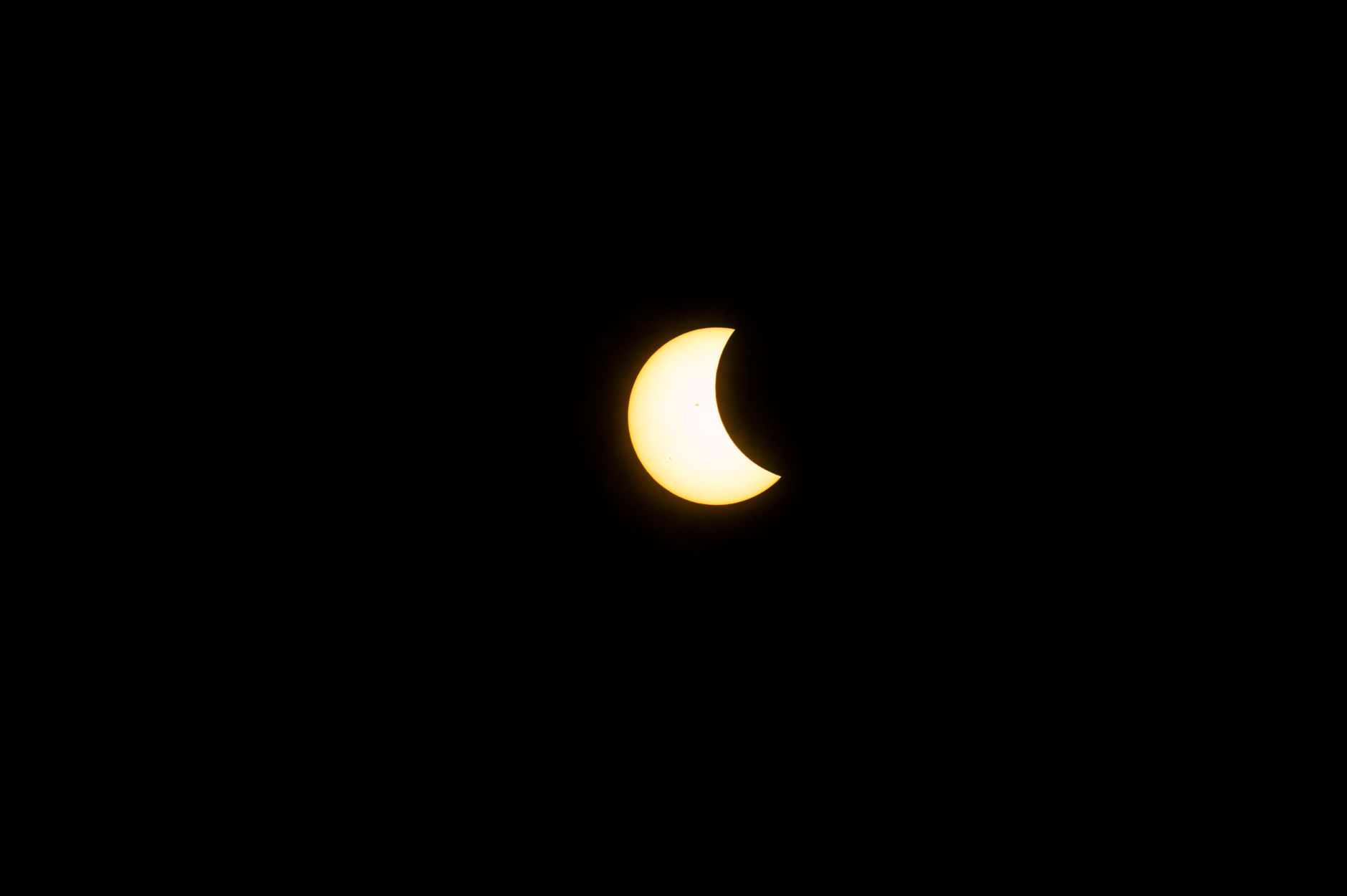
The August 12, 2026 total solar eclipse is just days away, and millions are already marking their calendars. As the Moon slips between Earth and the Sun, a 182‑mile‑wide path of totality will sweep across Spain, Iceland and Greenland. For those outside the narrow corridor, a dramatic partial eclipse will still be visible across much of the globe. Understanding the five distinct stages helps viewers know what to look for and how to stay safe. Whether you’re traveling to the path or watching online, each phase offers a unique glimpse of celestial mechanics.
What happened
The first contact occurs at 11:34 a.m. EDT (1534 GMT) on August 12, when the Moon’s edge first kisses the Sun’s disk over Alaska, marking the start of the partial phase. Over the next hour and a half the Moon advances, carving a growing dark bite out of the Sun for observers in the path of totality.
Approximately thirty minutes before totality, the Sun shrinks to a thin crescent, the sky darkens noticeably, and temperatures begin to drop. This pre‑totality dimming signals the imminent onset of total darkness.
When the Moon completely covers the Sun’s photosphere, totality begins—a brief period when the solar corona becomes visible as a delicate, ethereal halo. After a few minutes, the Moon moves on, ending totality (third contact) and soon after the fourth contact restores the Sun’s full brilliance.
Why it matters
Total solar eclipses provide rare opportunities to study the Sun’s corona, test general relativity, and engage the public in astronomy. The 2026 event’s wide path of totality promises significant scientific campaigns and a boost to tourism in the regions it traverses. For casual observers, the dramatic light changes and temperature dip create a memorable natural spectacle that deepens appreciation for orbital dynamics.
- Stunning visual experience that draws global attention.
- Unique chance to observe the solar corona without a space telescope.
- Economic benefits for communities within the path of totality.
- Cloud cover can ruin visibility, especially in northern latitudes.
- Improper eye protection risks permanent retinal damage.
- The narrow corridor limits access for many interested viewers.
How to think about it
Start by checking the exact timing for your location using an interactive eclipse tracker. If you plan to travel, book accommodations early, as demand spikes near the path. Always use ISO‑certified solar filters for any phase before totality; regular sunglasses are insufficient. Consider binoculars or a telescope with proper solar filters to enhance detail during the partial phases, and keep a pair of eclipse glasses handy for the brief moments of totality when it’s safe to look directly. Finally, stay flexible—weather can change quickly, so have a backup viewing spot if possible.
FAQ
When does the eclipse start in my area?+
How long will totality last?+
What equipment do I need to view safely?+
- astronomy·3 min readAugust 12, 2026 Total Solar Eclipse Will Capture a Unique View of the Sun’s Corona
The August 12, 2026 total solar eclipse will reveal a one‑of‑a‑kind snapshot of the Sun’s corona, offering fresh insight into Solar Cycle 25.
- astronomy·3 min readAugust 12, 2026 Partial Solar Eclipse: When and Where to Watch Across the U.S. and Canada
A partial solar eclipse will sweep across North America on August 12, 2026. Find out the best viewing times and locations for the U.S. and Canada.
- astronomy·3 min read2026 Perseid Meteor Shower Peaks with Up to 100 Meteors per Hour – Viewing Guide
The 2026 Perseids peak Aug 12‑13 with up to 100 meteors per hour, coinciding with a total solar eclipse. Learn where and how to watch.