FCC Greenlights Space Mirror Test to Illuminate Night Sky Amid Astronomer Outcry
The FCC approved a pilot of a giant space mirror to brighten the night sky, sparking astronomer backlash over light pollution and orbital congestion.
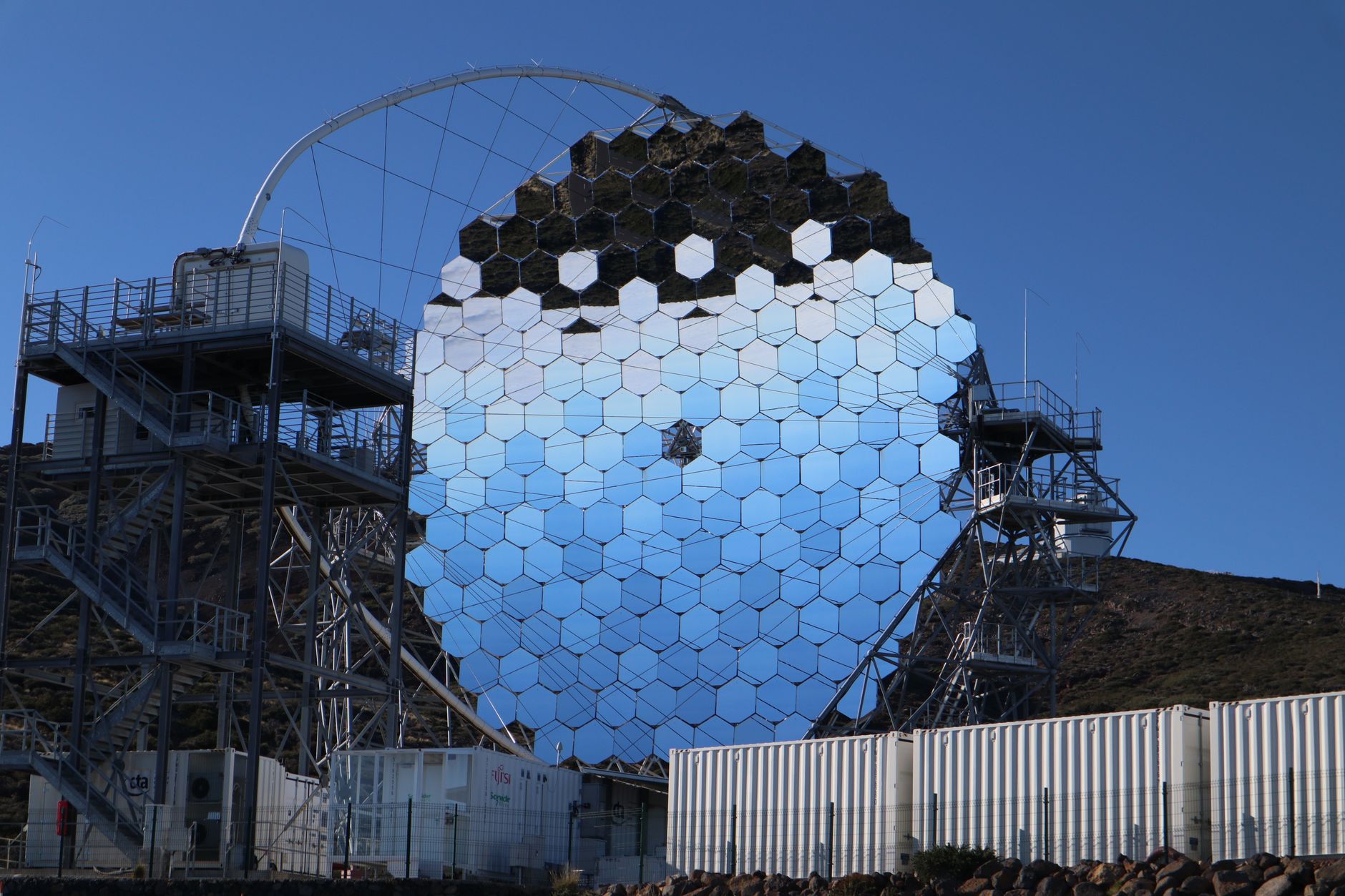
A federal panel has given the green light for a pioneering test of a massive space‑borne mirror designed to reflect sunlight onto Earth’s night side. The proposal, championed by a consortium of commercial and academic partners, aims to create artificial twilight for energy‑saving and atmospheric studies. Critics, especially astronomers, warn that the brightening could drown out faint celestial signals and add to the growing clutter of objects in low‑Earth orbit. The decision arrives amid a broader debate over how to balance innovative space technologies with the preservation of the night sky.
What happened
The FCC voted to allow a limited‑duration experiment that will deploy a reflective panel comparable in scale to the primary mirrors of large ground‑based telescopes. Positioned in a high Earth orbit, the panel will be angled to bounce a fraction of solar radiation toward Earth’s night side.
The initiative draws on heritage from high‑precision optics projects such as the Hubble Space Telescope’s 2.4‑meter mirror and the upcoming Extremely Large Telescope’s 39‑meter segmented aperture, demonstrating the feasibility of large, space‑based reflective surfaces. Proponents argue that a controlled light source could aid climate researchers and reduce the need for ground‑based floodlights.
Astronomical societies and environmental groups have lodged formal objections, citing the risk of increased sky brightness that would interfere with observations from facilities like the ELT, already battling light from thousands of Starlink satellites that now make up about 75 % of active maneuverable objects in orbit.
Why it matters
If successful, the mirror could become a novel tool for atmospheric and climate experiments, offering a way to illuminate remote regions without building new infrastructure. However, the added brightness threatens to degrade the dark‑sky conditions essential for optical astronomy, potentially compromising data from world‑class observatories. The test also sets a regulatory precedent: allowing commercial illumination projects could encourage further deployments, exacerbating orbital congestion and collision risk in an environment already crowded by constellations such as Starlink.
- Provides a novel tool for atmospheric and climate experiments.
- Potentially reduces energy consumption for ground lighting in remote regions.
- Demonstrates advanced deployment of large, precise space structures.
- Adds another reflective object that could increase sky brightness for telescopes.
- Raises the risk of debris and collision in an already crowded orbital environment.
- Sets a regulatory precedent without comprehensive sky‑preservation guidelines.
How to think about it
Stakeholders should weigh the scientific and societal benefits of artificial illumination against the measurable loss of dark‑sky quality for astronomy. Continuous monitoring of the mirror’s reflectivity and its impact on sky brightness will be essential. Engaging the astronomical community early can help define acceptable illumination limits and develop mitigation strategies, such as coordinated pointing schedules or adaptive optics compensation.
FAQ
Will the space mirror replace streetlights?+
How will the mirror affect astronomical observations?+
What safeguards are in place to prevent debris?+
- news·3 min readCommunity College Instructors Revamp OpenStax Astronomy Textbook with NASA Active‑Learning Resources
NASA’s SciAct program helped community college instructors transform the OpenStax Astronomy 101 textbook into an active‑learning experience for Fall 2026.
- news·3 min readCanada's Night Sky to Host Peak Perseid Meteor Shower and Partial Solar Eclipse on Aug 12-13
The Perseid meteor shower peaks Aug 12‑13, coinciding with a partial solar eclipse, offering Canadians a spectacular sky show.
- news·3 min readWayward SpaceX Rocket Impacts Moon After Year-Long Drift, Confirmed by Chilean Telescope
A stray SpaceX upper stage collided with the Moon at 5,400 mph, producing a sodium‑lithium plume detected by Chile’s Very Large Telescope.