Falcon 9 Upper Stage to Impact Moon on Aug 5 2026: How Solar Activity and Gravity Altered Its Orbit
On Aug 5, 2026 the 4,000‑kg Falcon 9 upper stage will strike the Moon, carving a ~27‑m crater after solar activity nudged it onto a lunar path.
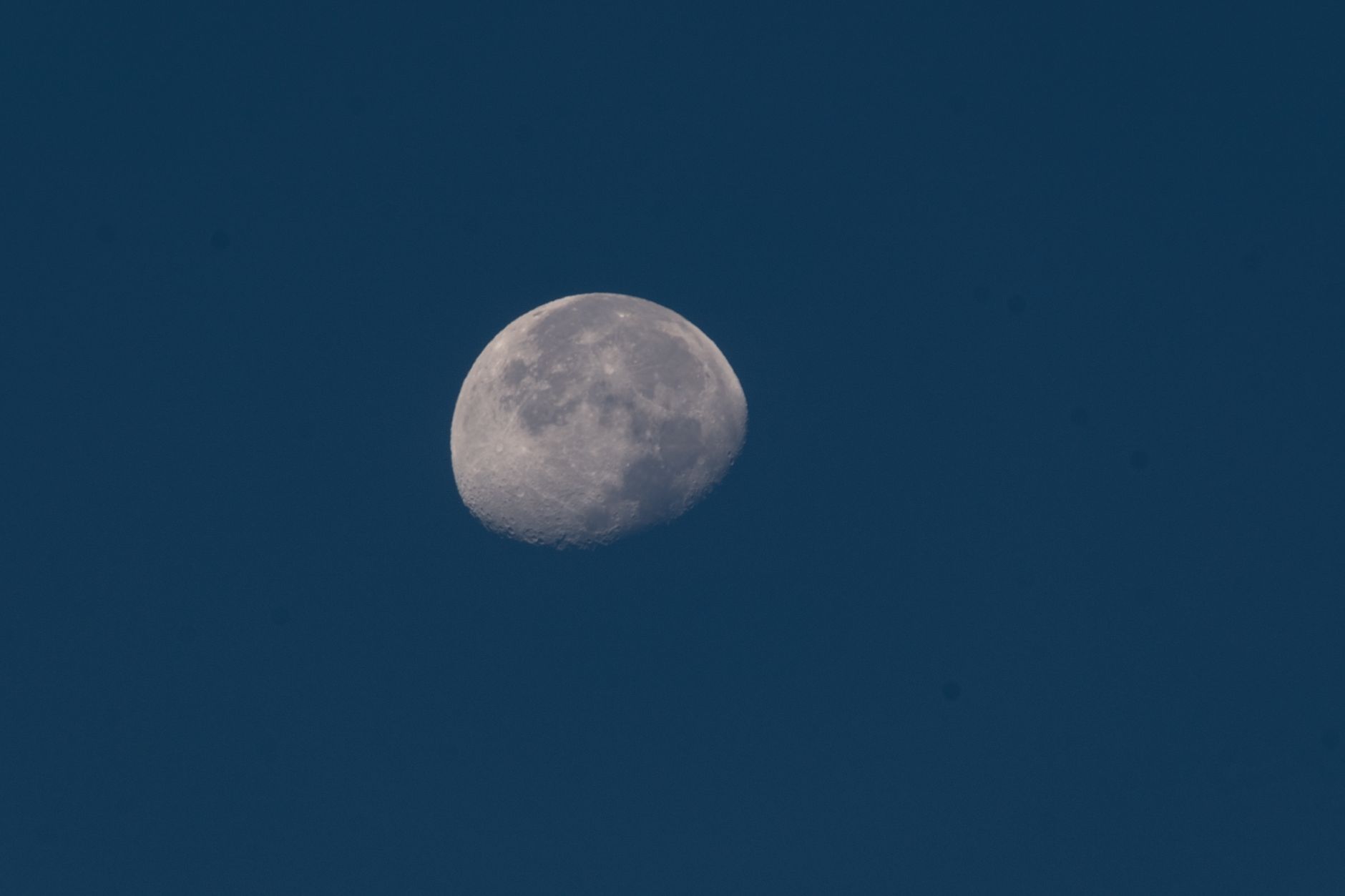
A long‑lived Falcon 9 upper stage that launched in January 2025 is set to hit the Moon early Wednesday morning. At 2:35 a.m. EDT on Aug 5, 2026 the 4,000‑kg stage will slam into the lunar surface, carving a crater roughly 27 m wide. The impact is a by‑product of depleted fuel and a combination of solar‑wind pressure and Earth‑Moon gravity that nudged the object onto a collision course. While the event offers a rare chance for scientists to study a fresh impact, it also highlights the growing issue of space debris beyond low‑Earth orbit.
What happened
The Falcon 9 launched in January 2025 carrying two private lunar landers, Blue Ghost and Resilience. After delivering the payloads, the upper stage was left in a high‑Earth orbit because almost all of its propellant was needed for the lunar transfer, leaving it without the fuel required for a controlled deorbit. SpaceX performed an alternative maneuver to meet safety regulations, but the maneuver did not place the stage in a stable orbit. Over the following 18 months, variations in solar activity and the subtle tug of the Moon’s gravity gradually altered its trajectory, eventually intersecting the Moon’s path. On Aug 5, 2026 the stage will impact the Moon’s sunlit near‑side at a speed of about 2.4 km/s, creating an estimated 27‑meter‑wide crater and ejecting debris that will be observable from Earth.
Why it matters
The impact provides a unique, unplanned experiment for lunar scientists to observe a fresh crater formation in real time, improving models of impact ejecta and regolith behavior. At the same time, it underscores the challenges of managing upper‑stage debris that ventures beyond Earth’s atmosphere, a growing concern as more missions target cislunar space. The event also offers amateur astronomers a rare viewing opportunity, but the debris generated could pose a minor contamination risk for future lunar surface activities.
- Creates a measurable fresh crater for scientific study.
- Offers a public viewing event that raises awareness of orbital dynamics.
- Highlights the need for better debris mitigation policies.
- Generates additional debris that could affect future lunar missions.
- Demonstrates limitations of current de‑orbit capabilities for deep‑space stages.
- Potentially distracts from planned scientific experiments on the lunar surface.
How to think about it
Observers should treat the impact as a natural experiment rather than a planned test. Astronomers can coordinate timing to capture the flash and ejecta plume with telescopes equipped for lunar imaging. Policy makers can use this case to evaluate and strengthen guidelines for end‑of‑life disposal of stages that travel beyond low‑Earth orbit, ensuring future missions minimize unintended lunar collisions.
FAQ
Why couldn't SpaceX deorbit the upper stage after the mission?+
Will the crater be visible from Earth, and how?+
Does this incident change how agencies handle upper‑stage debris?+
- news·2 min readSpaceX Falcon 9 Upper Stage Impacts Moon, Creating 20‑27 m Crater
A 4‑ton Falcon 9 upper stage struck the Moon on Aug 5, forming a 20‑27 m crater and releasing lithium‑rich dust, prompting new lunar impact studies.
- news·2 min readSpaceX Falcon 9 lifts off from Vandenberg, deploying 24 Starlink satellites
On Aug 8, 2026, SpaceX’s Falcon 9 launched 24 Starlink satellites from Vandenberg, marking its 92nd Falcon 9 flight this year.
- news·3 min readWayward SpaceX Rocket Impacts Moon After Year-Long Drift, Confirmed by Chilean Telescope
A stray SpaceX upper stage collided with the Moon at 5,400 mph, producing a sodium‑lithium plume detected by Chile’s Very Large Telescope.