Europe's First Total Solar Eclipse in 27 Years Arrives Aug 12, 2026 – NASA to Capture the Corona
On Aug 12, 2026 Europe will see its first total solar eclipse since 1999, with NASA's camera set to image the Sun’s corona.
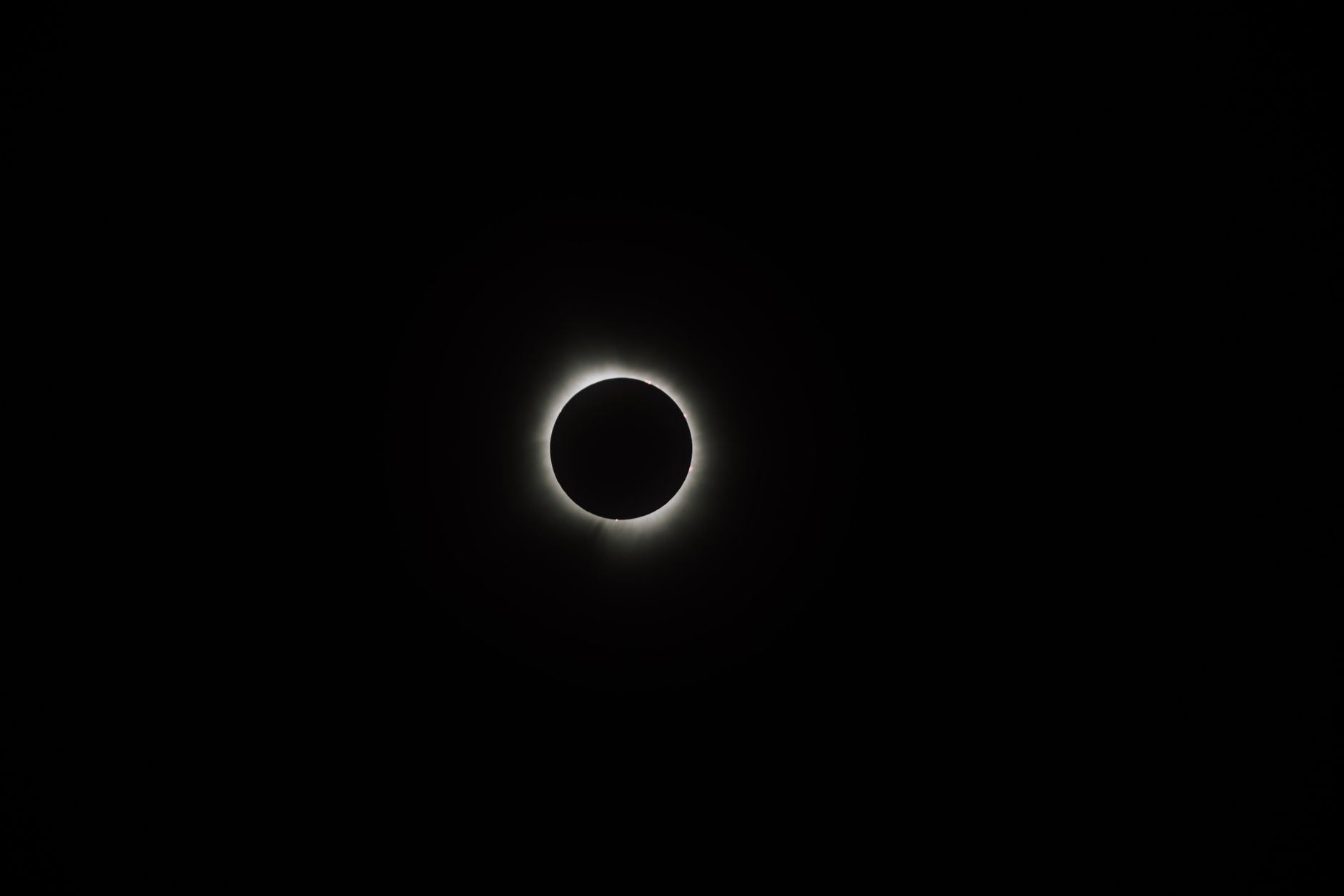
On August 12, 2026, the Moon’s shadow will sweep across Europe, delivering the continent’s first total solar eclipse since the historic 1999 event. The path of totality will begin over the Arctic, cross Greenland and western Iceland, and then plunge over Spain and the Balearic Islands as evening approaches. NASA’s high‑resolution coronagraph aboard the Solar Dynamics Observatory is being positioned to capture unprecedented images of the Sun’s outer atmosphere during totality. Astronomers and casual sky‑watchers alike are gearing up for a rare blend of darkness, a bright corona, and even the Perseid meteor shower later that night.
What happened
The total solar eclipse on August 12, 2026 will be the first to pass over mainland Europe since the August 1999 event, creating a darkened sky for up to two minutes where the Moon completely covers the Sun. The eclipse’s central line will travel from the high Arctic, through Greenland and western Iceland, before reaching the Iberian Peninsula, with Spain’s northern coast and the Balearic Islands experiencing the longest duration of totality.
NASA’s Solar Dynamics Observatory will employ its specialized coronagraph to record the Sun’s corona at wavelengths never before observed during a ground‑based total eclipse. Scientists aim to map the magnetic field structures that drive solar storms and to improve space‑weather forecasting models.
Because the eclipse occurs during the peak of the Perseid meteor shower, observers can expect a spectacular sky show: a darkened Sun, a glowing corona, and a rain of meteors streaking across the twilight horizon.
Why it matters
Beyond the visual wonder, the event provides a unique laboratory for solar physics. Direct observations of the corona during totality can validate satellite data and refine our understanding of solar wind acceleration. Public interest spikes during eclipses, offering outreach opportunities that inspire the next generation of scientists. Economically, regions within the path of totality anticipate a tourism boom, with hotels and transport services preparing for an influx of visitors.
- High‑resolution corona data will improve space‑weather predictions.
- Massive public engagement can boost STEM education.
- Tourism revenue for host regions along the path of totality.
- Cloud cover could spoil observations in key locations.
- Only a narrow corridor experiences totality, limiting access.
- Improper viewing can cause permanent eye damage.
How to think about it
Treat the eclipse as both a scientific experiment and a travel event. First, verify the local weather forecast for clear skies and identify the exact time of totality for your chosen site. Second, acquire ISO‑certified solar eclipse glasses and never look at the Sun without them, even during partial phases. Third, consider supplementing personal viewing with NASA’s live broadcast, which will stream the coronagraph footage in real time. Finally, plan for the Perseids by finding a dark‑sky location where you can enjoy both phenomena without light pollution.
FAQ
When and where will totality be visible in Europe?+
What will NASA’s camera be measuring during the eclipse?+
How can I safely observe the eclipse without professional equipment?+
- 01Europe's First Total Solar Eclipse in 27 Years Arrives Aug. 12: NASA's Camera Chases Corona
- 02Europe's First Total Solar Eclipse in 27 Years Arrives Aug. 12: NASA's Camera Chases Corona
- 03Europe's First Total Solar Eclipse in 27 Years Arrives Aug. 12: NASA's Camera Chases Corona
- 04Europe’s first total solar eclipse in 27 years is coming and this country is the best place to watch it | - The Times of India
- 05Solar Eclipse in Europe: Everything You Need to Know About the Total Solar Eclipse on August 12, 2026
- astronomy·3 min readAugust 12, 2026 Total Solar Eclipse Will Capture a Unique View of the Sun’s Corona
The August 12, 2026 total solar eclipse will reveal a one‑of‑a‑kind snapshot of the Sun’s corona, offering fresh insight into Solar Cycle 25.
- astronomy·3 min readWhat to Expect at Each of the Five Stages of the August 12, 2026 Total Solar Eclipse
Learn the five key phases of the August 12, 2026 total solar eclipse, from first contact to the end of totality, and why they matter.
- news·3 min readCommunity College Instructors Revamp OpenStax Astronomy Textbook with NASA Active‑Learning Resources
NASA’s SciAct program helped community college instructors transform the OpenStax Astronomy 101 textbook into an active‑learning experience for Fall 2026.