Eclipse chasers converge on northern Spain for August 12 total solar eclipse
Travelers worldwide flock to Spain to witness the August 12 total solar eclipse, the first visible on mainland Europe this century.
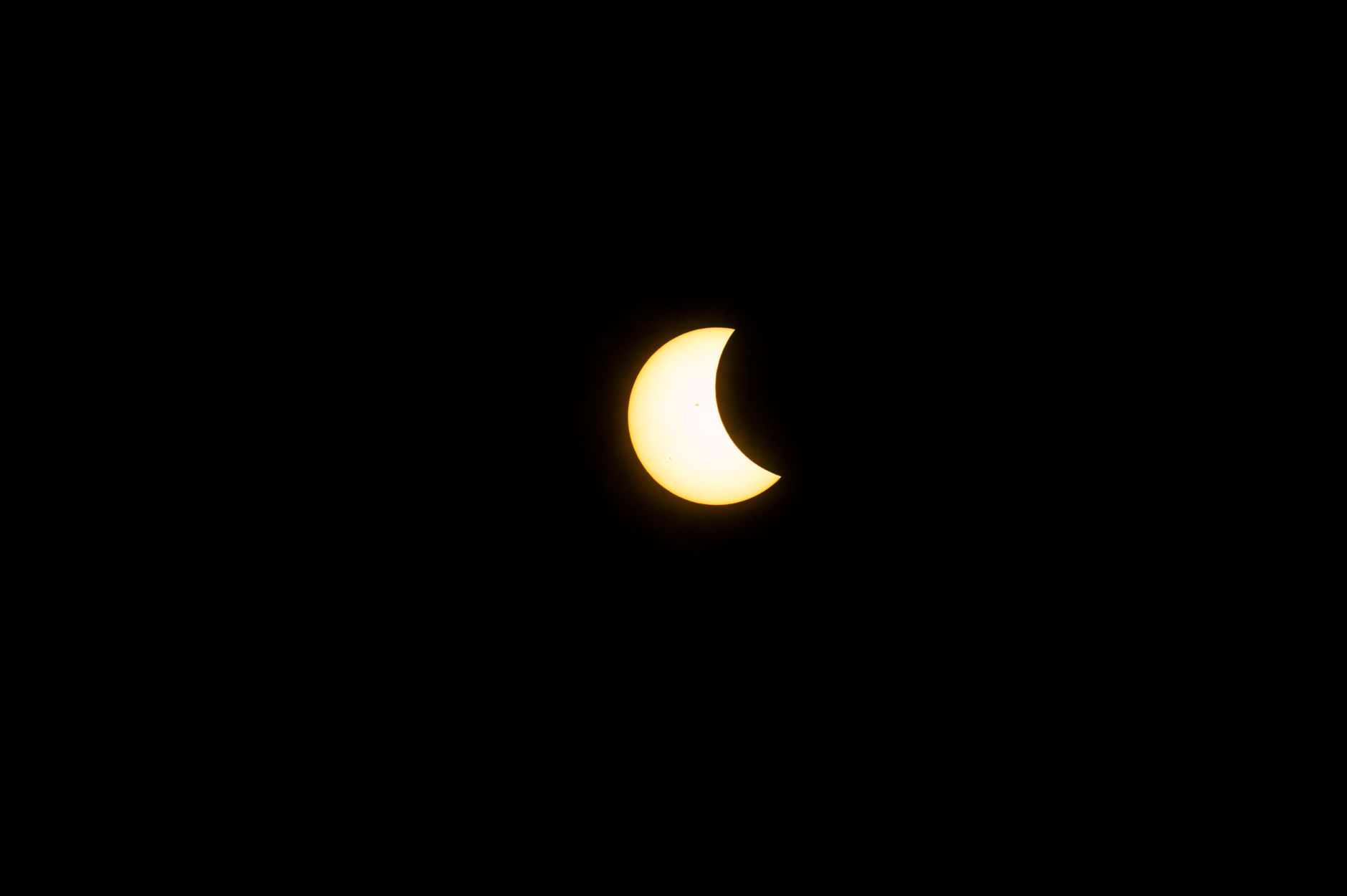
A total solar eclipse will sweep across northern Spain on August 12, 2026, drawing a wave of dedicated eclipse chasers from across the globe. The event marks the first total eclipse visible on mainland Europe this century, promising a dramatic plunge into darkness, temperature drops, and unusual animal behavior. Travelers are converging despite ongoing wildfires in parts of Spain, underscoring both the allure of the phenomenon and the logistical challenges of reaching the path of totality.
What happened
The path of totality will cross the Atlantic coast of northern Spain, offering clear skies in towns such as A Coruña and Lugo. Interviews with four self‑identified "eclipse chasers" reveal that many have already booked flights, ferries, and rural accommodations to position themselves within minutes of totality. One chaser, 51‑year‑old Elizabeth Warning from Sydney, said the experience feels "like the end of the world" and that witnessing it changes a person forever.
While excitement builds, the region also grapples with lingering wildfires that have destroyed homes and claimed lives. Warning noted the sadness of traveling to a place still mourning loss, and other participants expressed concern about smoke and safety, though most plan to proceed with their trips.
Why it matters
Beyond personal fascination, total eclipses provide rare opportunities for scientific observation of the solar corona and Earth's atmospheric response. The influx of tourists is expected to give a short‑term boost to the local economy, especially in remote coastal communities that benefit from lodging, food, and transport services. At the same time, the convergence of thousands of visitors raises questions about environmental impact, strain on emergency services, and the need for responsible tourism amid fire‑risk zones.
- Unique sensory experience that cannot be replicated by photos or video.
- Potential for citizen‑science data collection during the brief totality.
- Economic stimulus for small towns along the eclipse path.
- Travel costs can be prohibitive, limiting access to affluent participants.
- Risk of smoke, reduced visibility, and safety concerns from nearby wildfires.
- Possible overcrowding that stresses local infrastructure and ecosystems.
How to think about it
If you are considering joining the eclipse crowd, start by confirming the exact coordinates of totality and book accommodations well in advance. Pack eye‑safe solar filters, a portable shade, and warm clothing for the sudden temperature drop. Plan your travel route to avoid fire‑affected zones, and respect local evacuation orders. Consider offsetting your carbon footprint by supporting reforestation projects in Spain, and use public transport where possible to reduce traffic congestion.
FAQ
When and where will the total solar eclipse be visible?+
What equipment do I need to view the eclipse safely?+
How can I minimize my environmental impact while traveling to the eclipse?+
- news·3 min readAugust 12, 2026 Total Solar Eclipse: Path, Duration, and Viewing Tips
The August 12, 2026 total solar eclipse will cross Spain, Iceland, and Greenland, delivering up to 2 min 18 sec of totality and possible Perseids.
- news·3 min readCanada's Night Sky to Host Peak Perseid Meteor Shower and Partial Solar Eclipse on Aug 12-13
The Perseid meteor shower peaks Aug 12‑13, coinciding with a partial solar eclipse, offering Canadians a spectacular sky show.
- news·3 min readEurope's First Total Solar Eclipse in 27 Years Arrives Aug 12, 2026 – NASA to Capture the Corona
On Aug 12, 2026 Europe will see its first total solar eclipse since 1999, with NASA's camera set to image the Sun’s corona.