Deep Partial Lunar Eclipse on August 27‑28, 2026: What Skywatchers Need to Know
A deep partial lunar eclipse will occur on Aug. 27‑28, 2026, visible across many continents. Learn when, where, and why it matters.
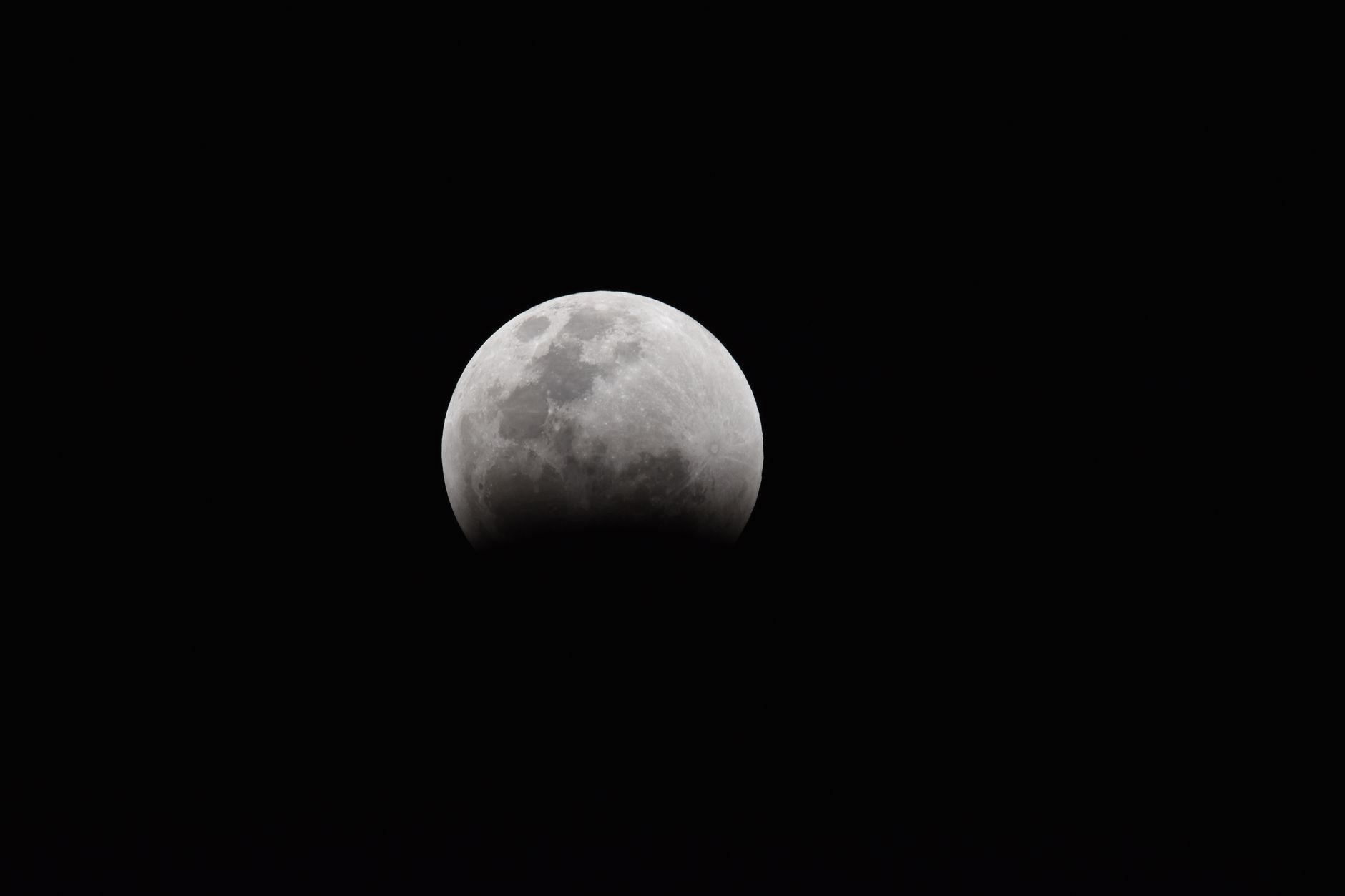
The night sky will host a striking deep partial lunar eclipse on the evening of August 27 and into the early hours of August 28, 2026. Unlike a total eclipse, only a portion of the Moon will slip into Earth's umbral shadow, but the dark bite will be noticeable to casual observers. This event follows a total solar eclipse on August 12, making late August a busy period for eclipse enthusiasts. Skywatchers across the Americas, Europe, Africa, and parts of Asia will have a chance to see the Moon darken as it rises or sets. Understanding the timing and visibility helps you plan a safe, memorable viewing experience.
What happened
On the night of August 27‑28, 2026 the Moon will pass through the Earth's penumbral and partially enter the umbral shadow, creating a deep partial lunar eclipse. The eclipse is part of the second eclipse season of 2026, which also includes a total solar eclipse on August 12. Because the Moon will be near the descending node of its orbit, the geometry produces a substantial portion of the lunar disc to be obscured, though not the full disc.
Visibility will be broad: observers in North and South America will see the eclipse as the Moon sets, while those in Europe, Africa, and western Asia will watch it rise. The event will be fully visible wherever the Moon is above the horizon during the eclipse window, offering a convenient viewing opportunity without the need for special equipment.
Why it matters
A deep partial lunar eclipse provides a vivid reminder of the Earth‑Moon‑Sun alignment that drives many seasonal and tidal cycles. It also serves as a natural laboratory for amateur astronomers to practice timing, photography, and shadow analysis without the safety concerns of solar eclipses. The eclipse’s timing, sandwiched between a total solar eclipse and the year's final lunar event, highlights the richness of 2026’s eclipse calendar, encouraging public engagement with astronomy.
- Visible from a large portion of the globe, increasing public participation.
- No eye‑damage risk; lunar eclipses can be observed safely with the naked eye.
- Provides a clear example of Earth’s shadow geometry for educational outreach.
- Partial nature means the dramatic “blood moon” color may be less striking.
- Cloud cover or light pollution can obscure the subtle darkening.
- Timing varies by location, requiring careful planning to catch the peak.
How to think about it
Treat the eclipse as a chance to practice basic observational techniques: note the start and end times, photograph the progression, and compare the Moon’s appearance before and after the umbral bite. If you’re photographing, use a tripod, a moderate telephoto lens, and a low ISO to capture the subtle shading. For educators, the event can illustrate concepts such as umbra versus penumbra, orbital nodes, and the eclipse season cycle.
FAQ
When exactly will the partial eclipse begin and end for my location?+
Do I need any special equipment to see the eclipse?+
Will the eclipse appear red like a total lunar eclipse?+
- astronomy·3 min readHow to Spot Sirius, the Brightest Star, in the Pre‑Dawn Sky This October
Learn when and where to look for Sirius before sunrise, why it flashes colors, and tips for spotting it even from light‑polluted areas.
- astronomy·3 min readAugust 2026 Sturgeon Moon Passes Through Earth’s Shadow: When and How to Watch
The August Sturgeon Moon will be eclipsed as it moves through Earth's shadow. Learn when to look and how to see it safely.
- astronomy·3 min readAugust 12, 2026 Partial Solar Eclipse: When and Where to Watch Across the U.S. and Canada
A partial solar eclipse will sweep across North America on August 12, 2026. Find out the best viewing times and locations for the U.S. and Canada.