CosmoCube Satellite to Probe Cosmic Dark Ages from Moon’s Radio‑Quiet Far Side
The University of Cambridge’s CosmoCube will use the Moon’s far‑side radio‑quiet zone to detect the 21‑cm signal from the Universe’s Dark Ages.
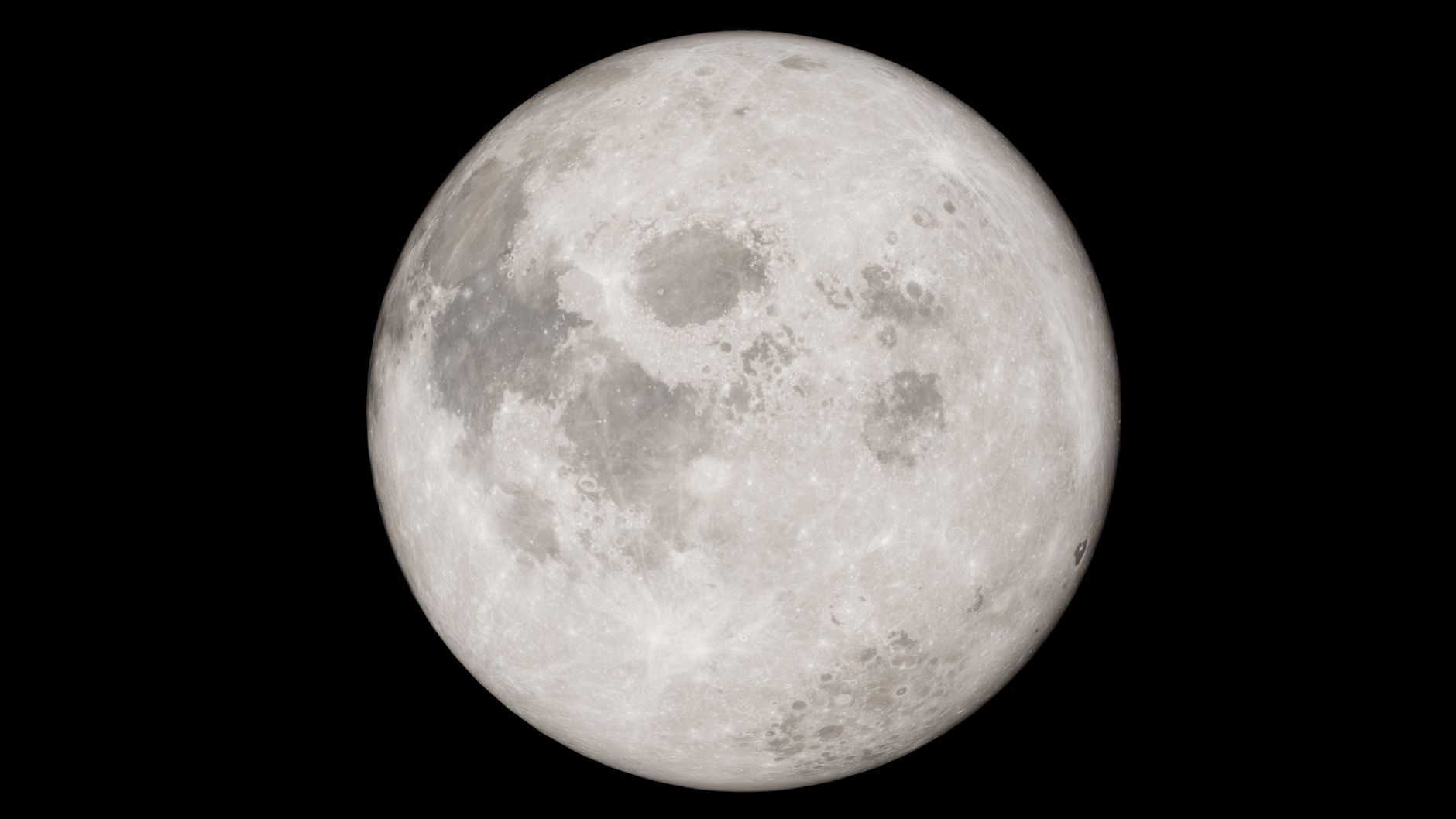
A new radio‑astronomy satellite, CosmoCube, is being built by the University of Cambridge to ride to the Moon’s far side. The far‑side environment is naturally shielded from Earth’s radio chatter, making it an ideal listening post for the faint 21‑centimeter line emitted by neutral hydrogen in the early Universe. By placing the instrument behind the Moon, scientists hope to finally hear the whispers from the Cosmic Dark Ages, a period that has so far eluded direct observation. Success would fill a 13‑billion‑year‑old gap between the Cosmic Microwave Background and the first galaxies seen by Hubble and JWST.
What happened
CosmoCube is currently under development at the University of Cambridge and is planned for deployment on the lunar far side, where the Moon itself blocks terrestrial radio interference. The satellite’s antenna array is tuned to the 21‑centimeter hyperfine transition of neutral hydrogen, the same signal that pervaded the Universe from roughly 380,000 years to 1 billion years after the Big Bang. The mission aims to capture this faint radiation, which carries information about the temperature, density, and ionization state of the intergalactic medium during the Cosmic Dark Ages. Detecting it would provide the first direct probe of the era preceding the formation of the first stars and galaxies. If successful, CosmoCube will join a small cadre of lunar‑based radio experiments, complementing earlier space missions such as WMAP and Planck that mapped the Cosmic Microwave Background.
Why it matters
Understanding the Dark Ages bridges a critical observational gap: we can currently see the Universe at 380,000 years (the CMB) and again at about 500 million years (the earliest galaxies), but the intervening epoch remains largely uncharted. The 21‑cm signal encodes the timeline of the first luminous objects and the reionization process that made the cosmos transparent to optical light. Insights from CosmoCube could refine models of structure formation, dark matter interactions, and the physics of the early intergalactic medium. Moreover, demonstrating that a lunar far‑side radio observatory can operate effectively paves the way for larger arrays that might map the 21‑cm signal across the sky, turning the Moon into a premier site for low‑frequency cosmology.
- Radio‑quiet environment eliminates Earth‑based interference.
- Direct access to the 21‑cm line fills a major observational gap.
- Proof‑of‑concept for future, larger lunar radio arrays.
- Mission is still in development; launch timeline is uncertain.
- Data collection will be limited by the satellite’s modest antenna size.
- Operating on the far side requires reliable communication relays.
How to think about it
Treat CosmoCube as a pathfinder rather than a definitive survey. When its data become available, compare the measured 21‑cm power spectrum against predictions from multiple cosmological models to gauge which scenarios best match the early‑Universe conditions. Keep an eye on complementary observations from ground‑based experiments like HERA and the upcoming SKA, as converging evidence will strengthen any conclusions. Finally, consider the broader implication: if the Moon can host a quiet radio observatory, future missions could expand this capability into a full‑scale lunar interferometer.
FAQ
What is the 21‑cm line and why is it important?+
Why is the Moon’s far side better than Earth‑based telescopes for this experiment?+
When can we expect data from CosmoCube?+
- missions·3 min readCosmoQuest Satellite to Probe Cosmic Dawn from Radio‑Quiet Far Side of the Moon
CosmoQuest will use the Moon’s far‑side radio‑quiet zone to detect the 21‑cm signal from the Universe’s Cosmic Dawn.
- missions·3 min readArtemis I Completes Successful Lunar Flyby, Paving Way for Future Moon Missions
Artemis I’s lunar flyby confirms spacecraft health and sets the stage for crewed Artemis missions.
- missions·3 min readApollo 15’s Historic First Televised Lunar Liftoff on August 2 1971
On Aug 2 1971 Apollo 15 televised its lunar module liftoff, marking the first live TV broadcast from the Moon.