Bronze Age Greek Rulers Wore Elaborate Jewellery That Echoes Modern Space‑Age Bling
Ancient Greek elites adorned themselves with gold, silver, and gemstone jewellery, a status symbol that mirrors today’s high‑tech space‑inspired bling.
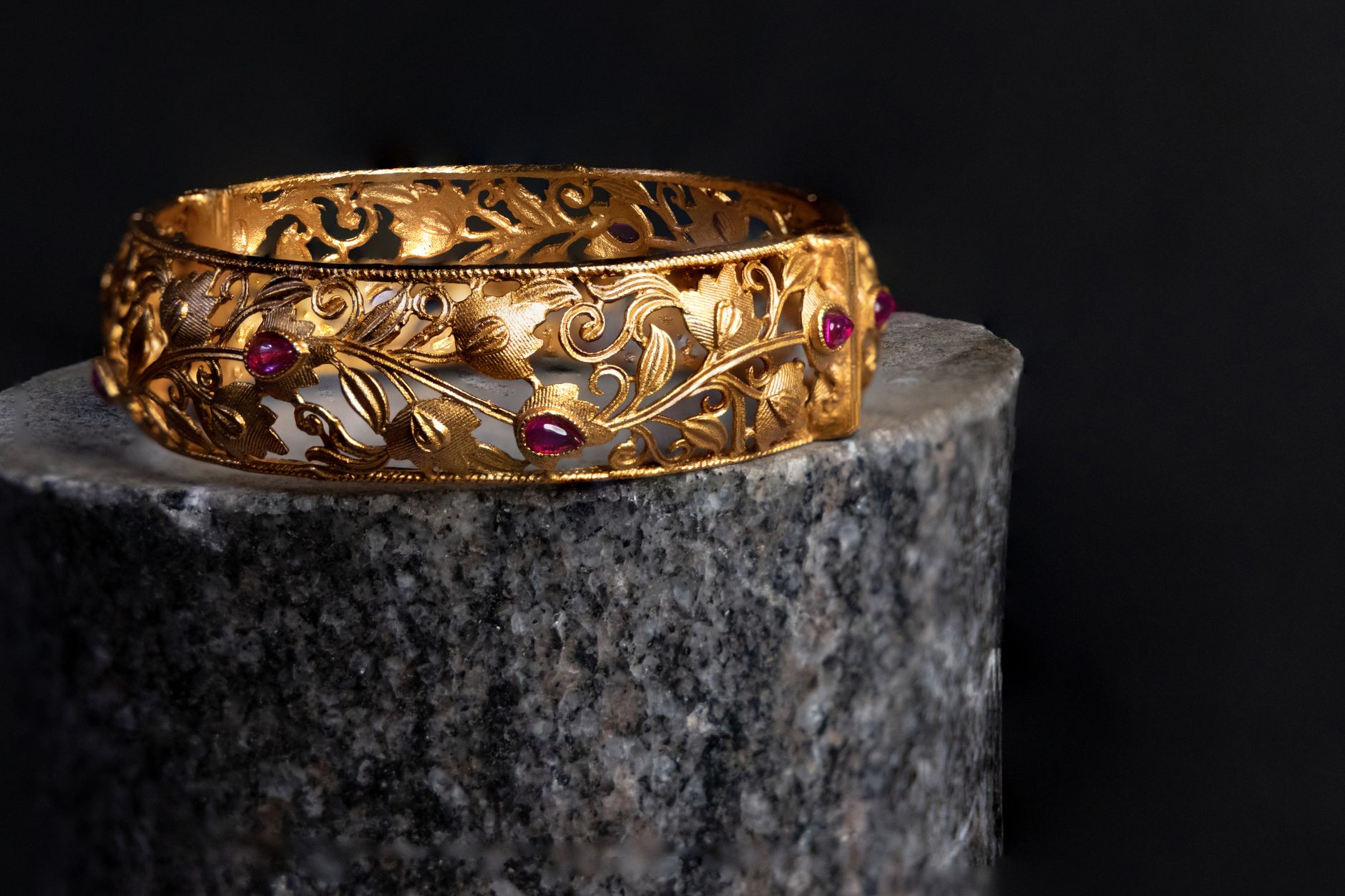
When we picture the glitter of modern space‑age accessories, we rarely think of ancient Greece. Yet archaeological evidence shows that Bronze Age Greek rulers draped themselves in gold, silver, and gemstone jewellery that glittered like the stars. These ornaments were not merely decorative; they signaled power, divine favor, and connections to the wider Mediterranean trade network. Understanding this “space bling” helps us see how status symbols evolve across millennia.
What happened
Jewellery is among the oldest archaeological artefacts, with 100,000‑year‑old shell beads attesting to humanity’s early fascination with adornment. In the Bronze Age, Greek elites began to commission permanent pieces—brooches, necklaces, and cufflinks—crafted from gold, silver, and semi‑precious stones.
These items were deliberately designed to be worn continuously, reinforcing the wearer’s status at every public appearance. The combination of precious metals and gemstones created a visual impact comparable to the reflective surfaces of modern spacecraft, earning modern observers the nickname “space bling.”
Why it matters
The practice illustrates how material culture encodes political authority and technological prowess. By tracing the lineage from ancient “space bling” to contemporary aerospace‑inspired fashion, we gain insight into the human desire to associate brilliance with power. Scholars, designers, and space enthusiasts can all read these ancient ornaments as early expressions of the same aspirational narrative that drives today’s space industry.
- Provides tangible evidence of elite identity in the Bronze Age.
- Highlights continuity between ancient adornment and modern design trends.
- Enriches interdisciplinary dialogue between archaeology and space culture.
- Risk of projecting modern “space” metaphors onto ancient contexts.
- Limited surviving examples may bias our understanding.
- Material analysis can be constrained by preservation conditions.
How to think about it
Treat each piece of jewellery as a data point in a broader visual language. Ask: what material was chosen, how was it displayed, and what audience was intended? Mapping these questions onto modern branding strategies reveals parallel tactics—both aim to make the wearer stand out like a beacon against the night sky.
FAQ
What materials did Bronze Age Greek rulers use for their jewellery?+
Why compare ancient jewellery to modern space‑age bling?+
How can this knowledge inform contemporary design?+
- astronomy·3 min readShoemaker-Levy 9 impact on Jupiter 32 years ago
Comet Shoemaker-Levy 9 struck Jupiter between July 16 and 22, 1994, leaving visible scars and supplying water to the planet's atmosphere.
- astronomy·3 min readFaintest Exoplanet Ever Seen from Earth Discovered After 10-Year Search
Astronomers spot faintest exoplanet, Beta Pictoris d, after a decade-long search. It's 100 times fainter than sibling Beta Pictoris b.
- news·3 min readESA Inaugurates UK Space and Defence Gateway at Harwell, Boosting Collaboration and Investment
ESA opened the UK Space and Defence Gateway at Harwell, creating a hub for collaboration, start‑ups, and sustainable space industry growth.