August 12, 2026 Total Solar Eclipse: Path, Duration, and Viewing Tips
The August 12, 2026 total solar eclipse will cross Spain, Iceland, and Greenland, delivering up to 2 min 18 sec of totality and possible Perseids.
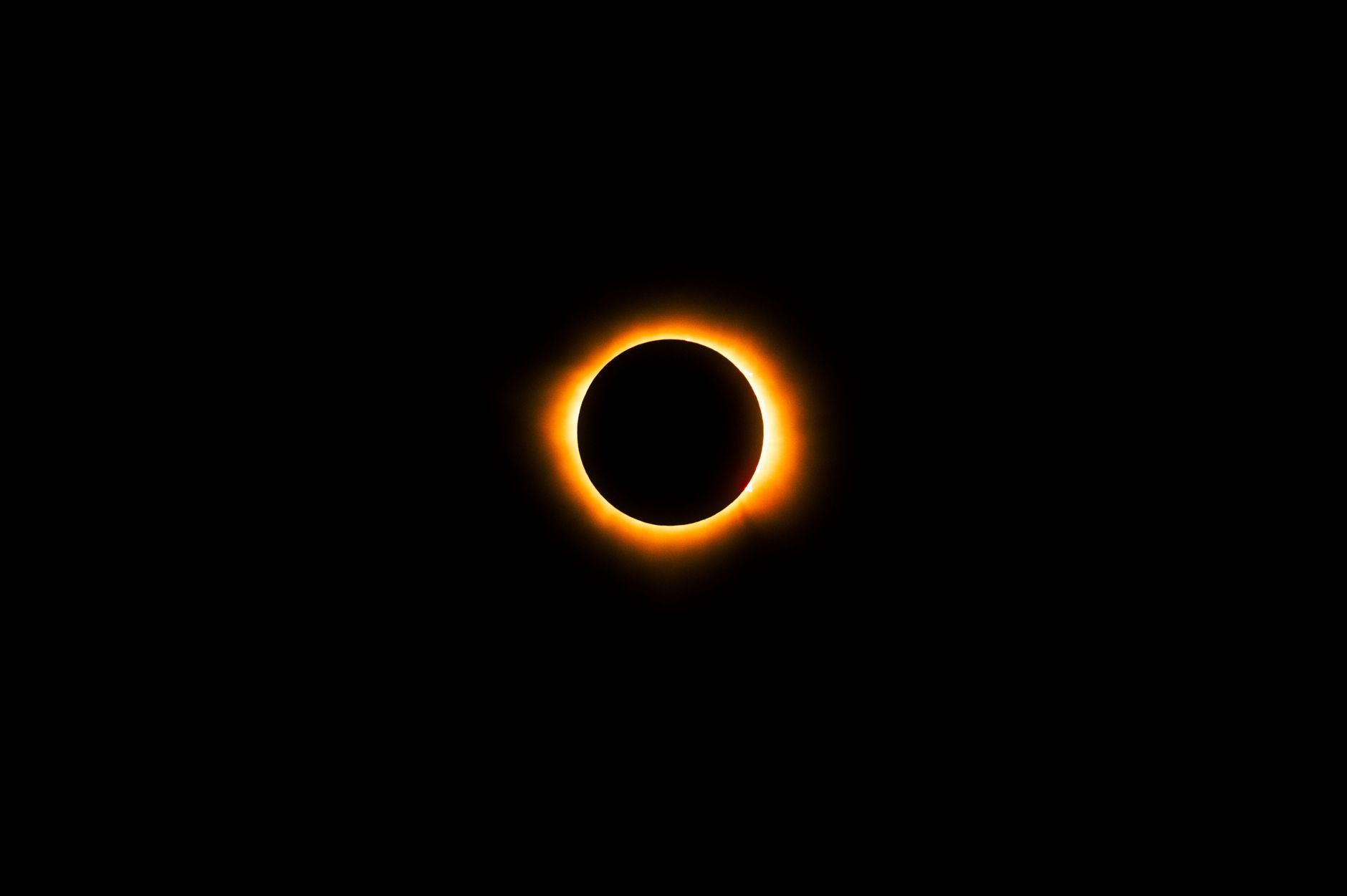
The sky will darken on August 12, 2026 as the Moon slips directly in front of the Sun, producing a total solar eclipse visible from parts of Europe and the North Atlantic. Observers in Spain, Iceland, and Greenland will experience a brief but dramatic plunge into night, with the longest stretch of totality lasting 2 minutes and 18 seconds over the ocean. Because the eclipse coincides with the peak of the Perseid meteor shower, sky‑watchers may also catch a meteor streaking across the darkened horizon. This rare alignment offers both a scientific showcase and a spectacular photo opportunity for enthusiasts worldwide.
What happened
On Wednesday, August 12, 2026, the Moon will completely cover the Sun for viewers situated within the narrow path of totality that stretches from the western coast of Spain, across Iceland, and into Greenland. At its peak, near the centerline over the North Atlantic, totality will last 2 minutes and 18 seconds—shorter than the 2024 North American eclipse but still impressive.
In Spain, the eclipse will occur close to sunset, giving observers roughly 1 minute and 50 seconds of total darkness while the Sun sits only a few degrees above the western horizon. This low‑angle setting promises dramatic silhouettes of the landscape beneath the eclipsed Sun.
Because the Moon is new on the same day, the Perseid meteor shower will be at its annual maximum, raising the chance that a meteor will be visible during the few minutes of totality for anyone under clear skies.
Why it matters
A total solar eclipse is a natural laboratory for studying the Sun’s corona, solar wind, and Earth’s ionosphere, all of which become accessible when the bright solar disk is blocked. The August 2026 event, though brief, will allow researchers in Europe to gather data that complement observations from the longer 2027 African eclipse. For the public, the eclipse’s timing with the Perseids adds a cultural and educational hook, encouraging wider participation in citizen‑science projects and boosting interest in astronomy.
ProsCons
- High‑contrast views of the Sun’s corona during totality.
- Opportunity to see Perseid meteors against a darkened sky.
- Accessible locations in Europe with established tourism infrastructure.
- Short totality duration limits observation time.
- Low Sun angle in Spain may complicate photography.
- Cloud cover in northern Atlantic regions could obstruct viewing.
How to think about it
Plan your viewing site early, targeting locations within the path of totality that offer clear horizons—coastal Spain or open fields in Iceland are ideal. Secure ISO‑certified eclipse glasses well before the event; never look at the Sun without proper protection, even during partial phases. If you hope to capture the Perseids, bring a wide‑angle lens and be ready to switch focus quickly when totality begins. Finally, consider joining local astronomy clubs or online live‑stream groups to share observations and enhance safety.
FAQ
Where is the best place in Europe to see the total eclipse?+
Will the Perseid meteor shower be visible during totality?+
What equipment do I need to safely watch the eclipse?+
- news·3 min readCanada's Night Sky to Host Peak Perseid Meteor Shower and Partial Solar Eclipse on Aug 12-13
The Perseid meteor shower peaks Aug 12‑13, coinciding with a partial solar eclipse, offering Canadians a spectacular sky show.
- news·3 min readEclipse chasers converge on northern Spain for August 12 total solar eclipse
Travelers worldwide flock to Spain to witness the August 12 total solar eclipse, the first visible on mainland Europe this century.
- astronomy·3 min readAugust 12, 2026 Partial Solar Eclipse: When and Where to Watch Across the U.S. and Canada
A partial solar eclipse will sweep across North America on August 12, 2026. Find out the best viewing times and locations for the U.S. and Canada.