August 12, 2026 Partial Solar Eclipse: When and Where to Watch Across the U.S. and Canada
A partial solar eclipse will sweep across North America on August 12, 2026. Find out the best viewing times and locations for the U.S. and Canada.
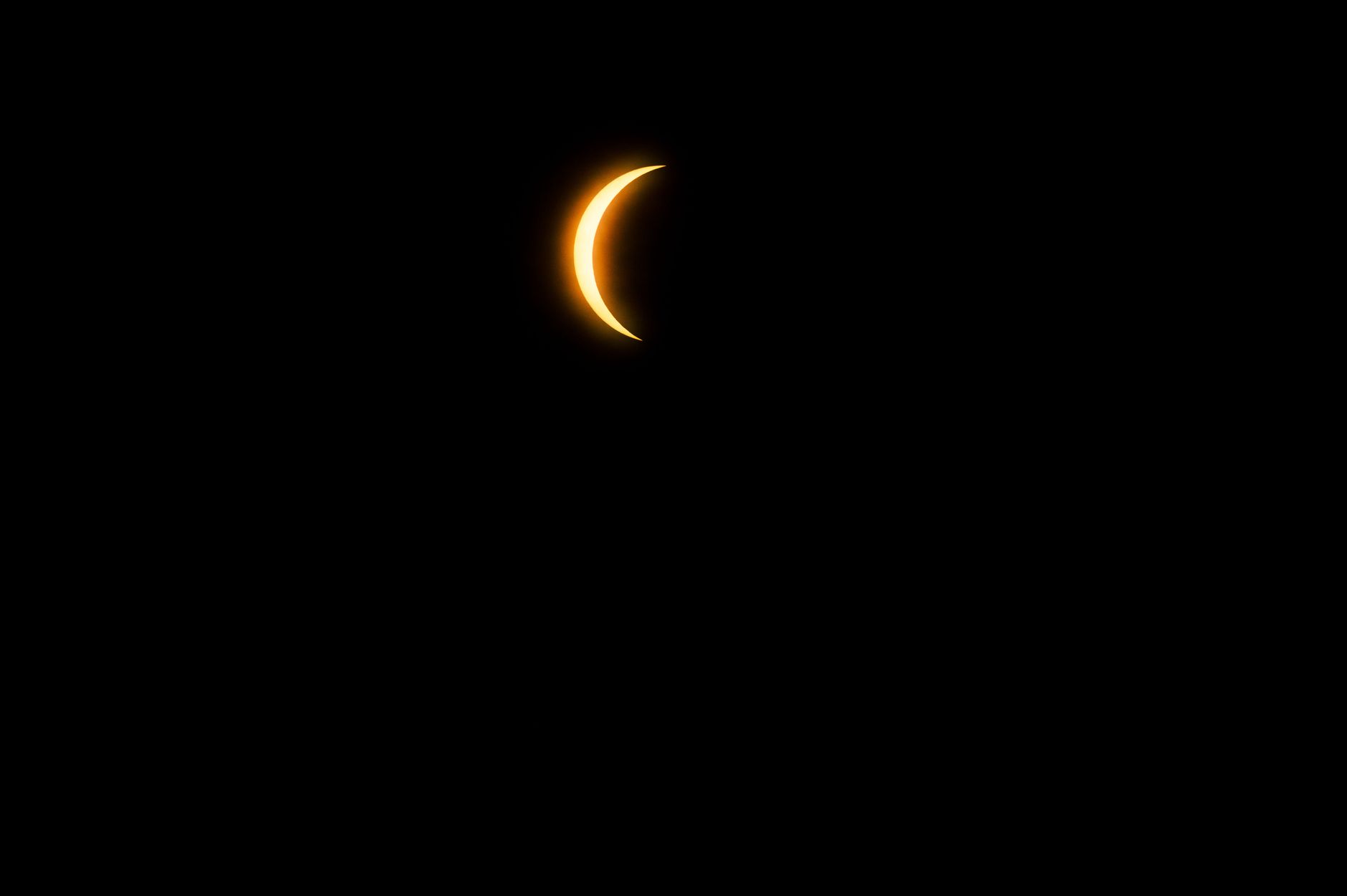
On the morning of August 12, 2026, a partial solar eclipse will glide across the North American sky. While it won’t reach the dramatic totality of the 2024 event, millions from the United States and Canada will still see the Moon carve a noticeable bite out of the Sun. The eclipse will occur during daylight hours, offering a convenient window for casual observers and educators alike. Because the Sun’s light will be only partially blocked, safe viewing practices are essential.
What happened
The Moon will pass between Earth and the Sun on August 12, casting a shadow that only partially covers the solar disk. In the United States, the eclipse will be visible in 20 states, with the earliest start around 7:34 a.m. AKDT and the latest end near 2:52 p.m. EDT. Northeastern states will experience the deepest coverage, with the Moon obscuring roughly two‑thirds of the Sun at maximum.
In Canada, every province will see some degree of the eclipse. The event will begin as early as 8:38 a.m. MST and conclude around 4:38 p.m. NDT, with eastern provinces enjoying the most substantial bite. The partial phase lasts about 55 minutes before and after the moment of greatest coverage at each location.
Why it matters
A partial eclipse of this scale provides a rare, low‑cost opportunity for public outreach and hands‑on science education. Schools, planetariums, and amateur astronomers can use the event to teach about celestial mechanics, solar physics, and the importance of eye safety. Although it lacks the awe of totality, the widespread visibility means a larger portion of the population can experience a real astronomical phenomenon, potentially sparking lifelong interest in space.
- Widely visible across the U.S. and Canada, reaching millions.
- Occurs during daytime, making it convenient for casual observers.
- Great platform for education and community outreach.
- Only a partial covering; the Sun remains bright.
- Risk of eye damage if proper solar filters are not used.
- Cloud cover can easily spoil viewing in many regions.
How to think about it
First, check the local start, maximum, and end times for your city using a reliable eclipse calculator. Second, obtain certified solar‑eclipse glasses that meet the ISO 12312‑2 standard; never substitute regular sunglasses. Third, choose a viewing spot with an unobstructed horizon and minimal light pollution. If you plan to photograph the event, use a solar filter on your camera lens and practice proper exposure settings ahead of time. Finally, consider pairing the viewing with a brief talk or activity about the Sun‑Moon‑Earth geometry to deepen the experience.
FAQ
When will the eclipse be at its maximum for my location?+
Do I need special equipment to see a partial solar eclipse?+
What weather conditions are best for viewing?+
- astronomy·3 min readWhat to Expect at Each of the Five Stages of the August 12, 2026 Total Solar Eclipse
Learn the five key phases of the August 12, 2026 total solar eclipse, from first contact to the end of totality, and why they matter.
- news·3 min readAugust 12, 2026 Total Solar Eclipse: Path, Duration, and Viewing Tips
The August 12, 2026 total solar eclipse will cross Spain, Iceland, and Greenland, delivering up to 2 min 18 sec of totality and possible Perseids.
- astronomy·3 min readAugust 12, 2026 Total Solar Eclipse Will Capture a Unique View of the Sun’s Corona
The August 12, 2026 total solar eclipse will reveal a one‑of‑a‑kind snapshot of the Sun’s corona, offering fresh insight into Solar Cycle 25.