Asteroid's Unexplained Orbital Shift Reveals 'Dark Comet' Nature
Astronomers discover asteroid 1998 SH2 is actually a 'dark comet' with a faint coma and tail, causing its unexpected orbital shift.
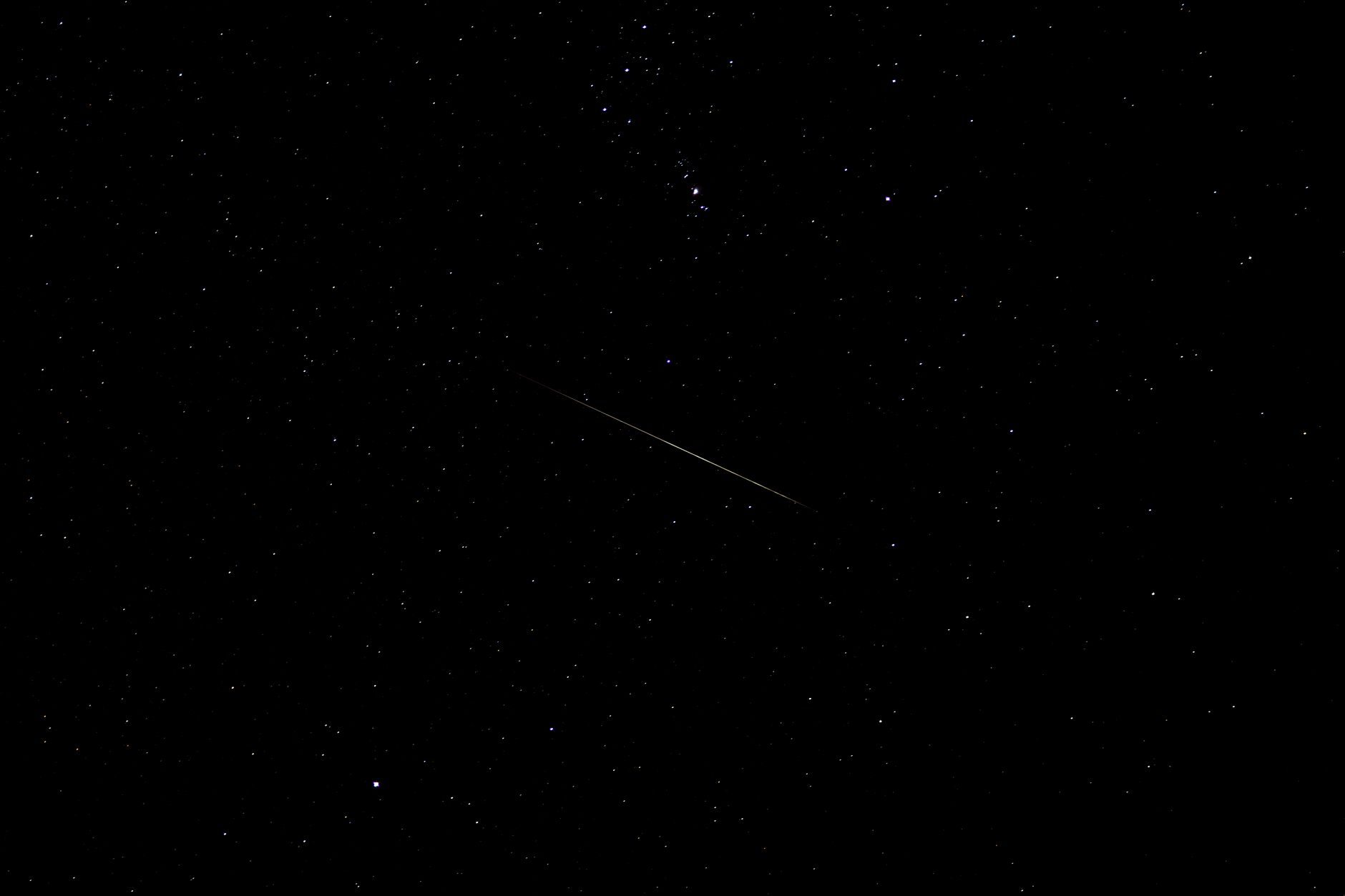
Astronomers have long been puzzled by objects in our solar system that exhibit characteristics of both asteroids and comets. A recent study published in Nature Astronomy has shed light on one such object, previously identified as an asteroid, which has been found to be a 'dark comet.' This discovery has significant implications for our understanding of these enigmatic objects.
What happened
The object, 1998 SH2, had been tracked since 1998, and astronomers thought they had determined its orbital trajectory with 27 years of position measurements. However, in August 2025, during a close approach to Earth, the asteroid wasn't where models predicted it would be. By the end of August, the Southern Observatory for Near Earth Asteroids Research in Brazil found 1998 SH2 again, and astronomers realized that the object was experiencing additional acceleration, likely caused by cometary outgassing.
The team then used deep, stacked images from powerful telescopes in Chile and Hawaii to search for faint dust around 1998 SH2. These images revealed a faint coma and a narrow tail more than 20 arcseconds long. This is the first direct confirmation of cometary activity that had been predicted from an object's orbital perturbations.
Why it matters
The discovery of 1998 SH2 as a 'dark comet' has significant implications for our understanding of these objects. It highlights the complexity of identifying comets and asteroids and the need for further research into the characteristics of these objects. The study's findings also demonstrate the importance of continued monitoring of objects in our solar system to refine our understanding of their orbits and behavior.
- Improved understanding of 'dark comets' and their characteristics
- Enhanced ability to identify and track comets and asteroids
- Advancements in astronomical research and observation techniques
- Challenges in detecting and tracking 'dark comets' due to their faint nature
- Potential risks associated with unexpected orbital shifts of comets and asteroids
- Need for continued research and monitoring to refine our understanding of these objects
How to think about it
When considering the discovery of 1998 SH2 as a 'dark comet,' it's essential to understand the complexities of identifying comets and asteroids. The study's findings highlight the need for continued research and monitoring of objects in our solar system to refine our understanding of their orbits and behavior.
FAQ
What is a 'dark comet'?+
Why was 1998 SH2 initially thought to be an asteroid?+
What are the implications of the discovery of 1998 SH2 as a 'dark comet'?+
- astronomy·3 min readAugust 12, 2026 Total Solar Eclipse Will Capture a Unique View of the Sun’s Corona
The August 12, 2026 total solar eclipse will reveal a one‑of‑a‑kind snapshot of the Sun’s corona, offering fresh insight into Solar Cycle 25.
- astronomy·3 min readWhat to Expect at Each of the Five Stages of the August 12, 2026 Total Solar Eclipse
Learn the five key phases of the August 12, 2026 total solar eclipse, from first contact to the end of totality, and why they matter.
- astronomy·2 min readJames Webb Telescope Detects Unexpected Water Vapor in Distant Exoplanet Atmosphere
New JWST observations reveal water vapor on a far‑off exoplanet, reshaping ideas of habitability.