APOD July 31, 2026: NGC 4372 Globular Cluster and the Dark Doodad Nebula
Explore the July 31, 2026 APOD featuring NGC 4372 and the Dark Doodad nebula, and learn why this contrast matters to stargazers.
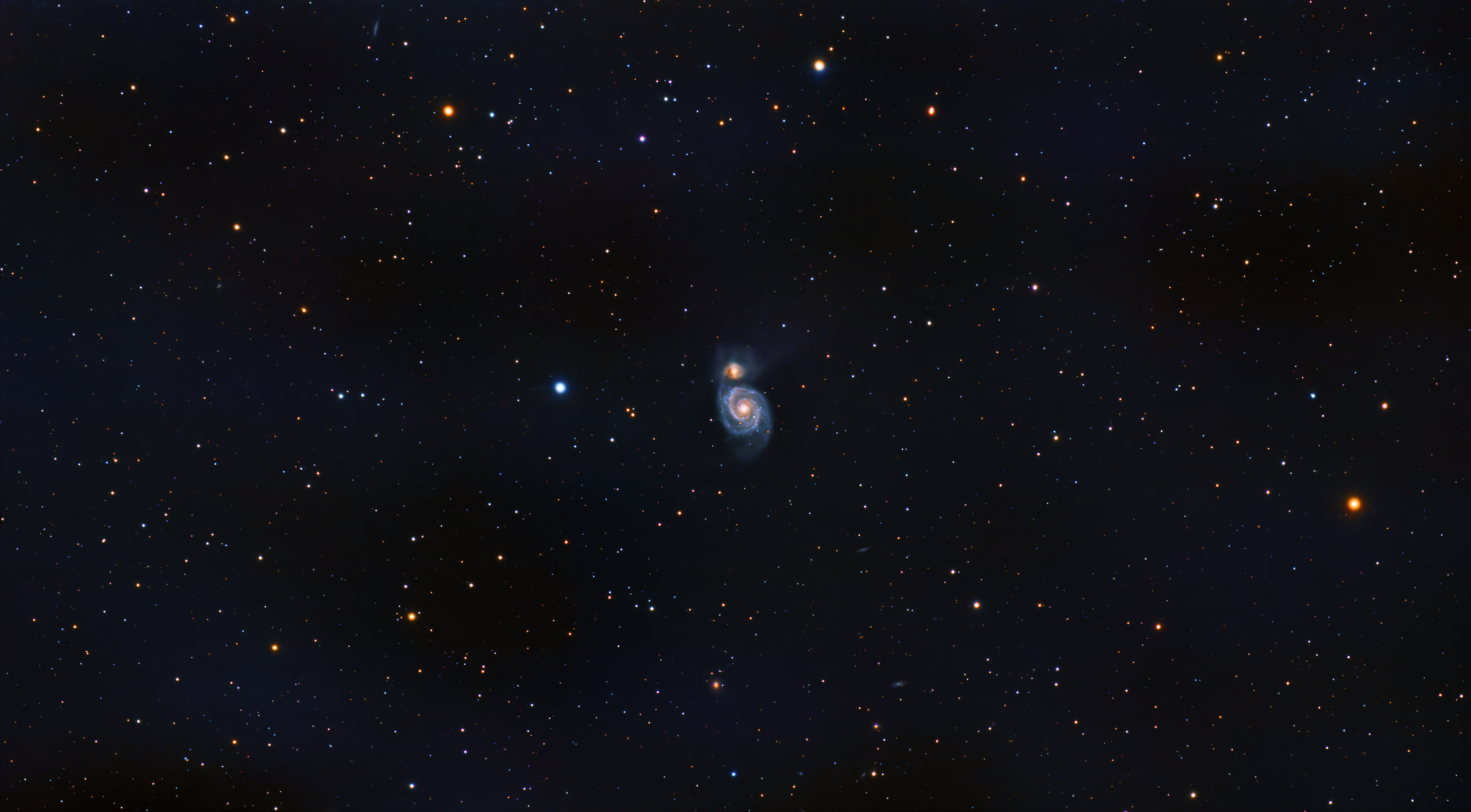
On July 31, 2026 the Astronomy Picture of the Day highlighted a striking view of the globular cluster NGC 4372 set against the backdrop of the Dark Doodad nebula. The image, captured by a ground‑based observatory, reveals the dense swarm of ancient stars peeking through a veil of interstellar dust. For both amateur and professional astronomers the pairing offers a rare visual lesson in how stellar populations and dark clouds coexist. Understanding this relationship helps refine models of star formation and galactic evolution.
What happened
The APOD image shows NGC 4372 as a compact, golden‑hued cluster located in the constellation Musca, roughly 18,000 light‑years from Earth. Behind it, the Dark Doodad appears as a dark, filamentary silhouette that blocks background starlight, highlighting the dense dust that defines many dark nebulae.
The exposure was taken with a 0.6‑meter telescope equipped with a broadband filter to capture both the cluster’s resolved stars and the subtle absorption of the nebula. The resulting composite balances the bright core of the cluster with the faint outlines of the surrounding dust, offering a clear demonstration of how interstellar material can obscure and shape our view of the Milky Way.
Why it matters
The juxtaposition provides a tangible example of how star clusters evolve within dusty environments, informing theories about cluster survival rates and the dispersal of natal clouds. It also serves as a visual reference for calibrating photometric studies that must account for foreground extinction caused by dark nebulae.
- Visually striking, ideal for public outreach.
- Illustrates real‑world effects of interstellar extinction.
- Provides data useful for refining cluster age and distance estimates.
- Requires dark‑sky conditions to observe the nebula visually.
- Image resolution limited by atmospheric seeing.
- Cluster lies in a relatively obscure constellation, making it harder to locate for beginners.
How to think about it
Start by locating the bright star Alpha Muscae, then sweep southward to the faint smudge of NGC 4372. Use a star‑chart app set to a magnitude limit of 8 to ensure the cluster appears. If you have a telescope with at least 8‑inch aperture, aim for a low‑power eyepiece to resolve the core before switching to higher magnifications to glimpse the surrounding dust lanes.
FAQ
Can I see NGC 4372 with binoculars?+
What causes the dark appearance of the Dark Doodad?+
How does the presence of dust affect measurements of the cluster?+
- astronomy·3 min readSaturn’s Six Largest Moons Shine in APOD’s August 11 Image – 293 Moons Confirmed
NASA’s August 11 APOD showcases Saturn’s six biggest moons, highlighting the planet’s record 293 confirmed satellites.
- astronomy·3 min readAPOD August 10, 2026: Three Galaxy Pairs Reveal Interaction Secrets
NASA's APOD shows three galaxy pairs, each illustrating a different stage of cosmic interaction within the Centaurus Cluster.
- astronomy·3 min readWhat to Expect at Each of the Five Stages of the August 12, 2026 Total Solar Eclipse
Learn the five key phases of the August 12, 2026 total solar eclipse, from first contact to the end of totality, and why they matter.