Beyond Eternia: How 80s and 90s Sci-Fi Cartoons Ignited a Generation's Love for Space
Discover how iconic and obscure sci-fi cartoons of the 1980s and 1990s introduced a generation to space, time travel, and epic adventures. Explore their lasting cultural impact.
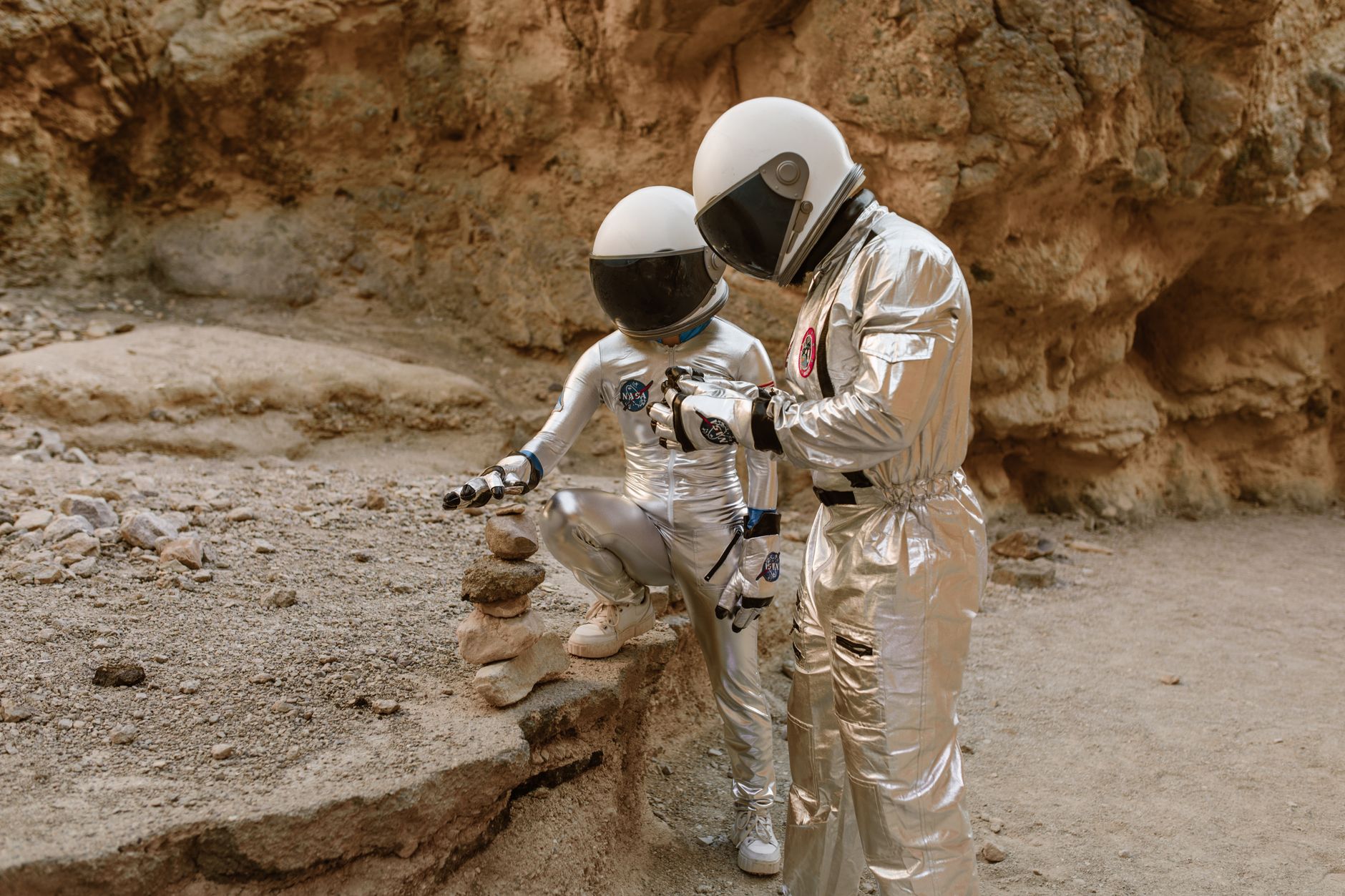
Before the streaming era brought an endless galaxy of live-action sci-fi to our screens, Saturday mornings in the 1980s and 90s offered a unique portal to the cosmos: animated adventures. From the muscle-bound heroics of He-Man to the intergalactic odyssey of Ulysses 31, these cartoons were more than just entertainment; they were foundational experiences for countless young minds. They introduced concepts of alien worlds, time travel, and heroic battles against cosmic threats, often serving as clever advertisements for popular toy lines. This era of animation ignited a lifelong fascination with space and science fiction for a generation, proving that even the weirdest concepts could leave a lasting impact.
What happened
The 1980s and 1990s marked a golden age for animated science fiction, particularly on Saturday mornings, where these shows became the primary conduit for young audiences to experience tales of distant galaxies, advanced technology, and heroic exploits. This era was largely defined by a powerful symbiotic relationship between television and the toy industry. Companies like Mattel, Hasbro, and Kenner quickly recognized that a successful animated series could serve as an incredibly effective, half-hour commercial for their latest product lines, a strategy epitomized by the colossal success of He-Man and the Masters of the Universe.
Beyond Eternia, a diverse array of sci-fi narratives unfolded. Battle of the Planets, a toned-down American adaptation of the Japanese Science Ninja Team Gatchaman, introduced G-Force and their bird-like superhero outfits protecting Earth. Ulysses 31 boldly reimagined Homer's Odyssey in the 31st century, blending Greek mythology with space opera and surprisingly bleak themes. Even unexpected entries like The Fonz and the Happy Days Gang ventured into time travel, while SuperTed brought a cosmic dust-powered teddy bear to life, showcasing the breadth of imagination in this animated landscape.
Why it matters
These cartoons were more than mere diversions; they were cultural touchstones that profoundly shaped the imagination of a generation. For many, they provided the initial spark of curiosity about space, technology, and the possibilities beyond Earth. The often exposition-heavy narratives, memorable theme tunes, and distinct character designs created a shared lexicon of heroes, villains, and futuristic concepts that resonated deeply. This early exposure to science fiction, even in its simplified animated form, often laid the groundwork for later interests in STEM fields, astronomy, and advanced technology.
The commercial success of these shows also demonstrated the immense power of cross-media marketing, setting a precedent for how entertainment franchises could leverage animated content to drive product sales. This model had significant implications for both the animation industry and consumer culture, cementing the idea that cartoons could be powerful vehicles for brand building. Ultimately, these shows fostered a collective sense of wonder and adventure, influencing the creative output and scientific pursuits of many who grew up watching them.
- Introduced complex science fiction concepts and themes to a young, impressionable audience.
- Fostered imagination, creativity, and a lasting interest in space, technology, and adventure.
- Created iconic characters, memorable worlds, and enduring cultural touchstones for a generation.
- Many shows were primarily marketing vehicles for toy lines, potentially prioritizing sales over narrative quality.
- Original source material (e.g., Japanese anime) was often heavily censored or altered for American audiences, losing original intent.
- Reliance on often superfluous "cute" or "annoying" comedy sidekicks could dilute serious storytelling moments.
How to think about it
When reflecting on the sci-fi cartoons of the 80s and 90s, it's helpful to view them not just as entertainment, but as cultural artifacts that profoundly shaped a generation's understanding and appreciation of science fiction. Understand that their commercial underpinnings, while sometimes limiting, were also instrumental in their widespread reach and production. Appreciate their role as foundational texts that introduced complex ideas about space, time, and morality in an accessible format. Consider how these early animated experiences might have subtly guided career paths, hobbies, and even the types of stories we seek out today. They represent a unique intersection of commerce, creativity, and cultural impact that continues to resonate.
FAQ
Were these 80s and 90s sci-fi cartoons scientifically accurate?+
How did toy lines influence the creation and content of these animated series?+
Are these classic sci-fi cartoons still relevant or influential today?+
- explainers·3 min readHow Interstellar Portrays General Relativity as an Antagonist
A look at how Christopher Nolan’s Interstellar uses Einstein’s general relativity—especially time dilation—as the film’s central threat.
- explainers·4 min readIndependence Day at 30: How its Groundbreaking Marketing Blew Up the Box Office and Changed Hollywood
Celebrate 30 years of 'Independence Day.' Discover how its iconic White House explosion teaser revolutionized film marketing and set new standards for blockbuster promotion.
- explainers·4 min readNavigating the Labyrinth: How 'Mystery Box' Sci-Fi Shows Like Silo Challenge Creators and Cast
Explore the intricate challenges faced by the cast and crew of complex 'mystery box' sci-fi series like Apple TV+'s Silo, especially as stories expand across multiple timelines and secrets.